
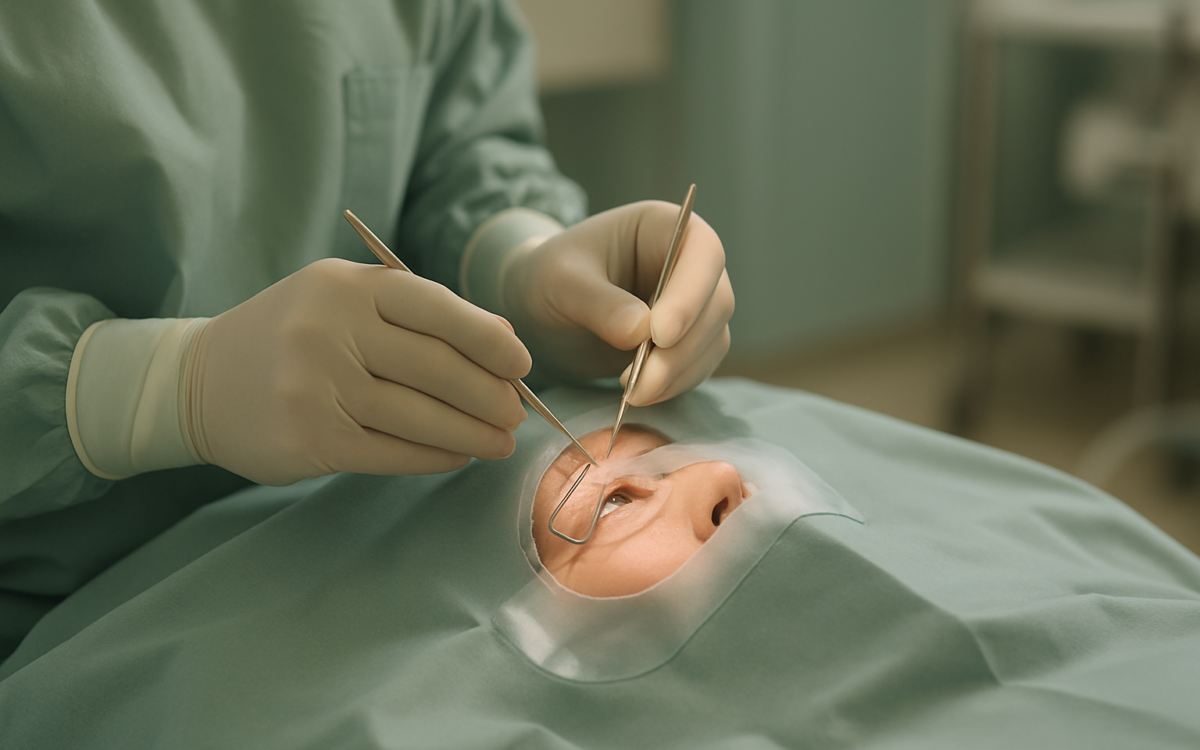
Cataract surgery is one of the most commonly performed surgical procedures worldwide, helping millions regain their vision. While it is relatively quick and straightforward, many people wonder, “How long does cataract surgery take?” Understanding the time involved can ease anxiety and prepare you for what to expect.
The Cataract Surgery Process
Cataract surgery typically encompasses several stages: pre-operative preparations, the surgical procedure itself, and post-operative care. Knowing each segment can help you understand the entire duration.
Pre-operative Preparations
Before the surgery begins, a series of pre-operative assessments are conducted, which include eye examinations and discussions about the procedure. This phase can last anywhere from 30 minutes to a few hours, depending on individual needs and the specific practices of the surgical center.
The Surgery Duration
The actual cataract surgery usually takes between 15 to 30 minutes for each eye. Surgeons perform the operation on one eye at a time, with the second eye typically scheduled for later. The quick nature of this surgery is one of the reasons it is so popular and effective.
What Happens During Surgery?
During the surgery, the surgeon uses a local anesthetic to numb the eye and may also provide sedation to keep you relaxed. The most common procedure, known as phacoemulsification, involves breaking up the cloudy lens (the cataract) using ultrasound waves, then removing the fragments and replacing them with an artificial intraocular lens. Most patients report minimal discomfort during the procedure.
Post-operative Care and Recovery
Once the surgery is completed, you will spend a short period in a recovery area—usually about 30 to 60 minutes—where medical staff monitors your recovery from anesthesia and ensures there are no immediate complications. After this, you will receive specific post-operative instructions to follow at home.
Typical Recovery Times
While the surgery itself is swift, the recovery process varies from person to person. Many patients notice improved vision within a few days, but complete healing can take up to several weeks. During this time, follow-up visits to your eye doctor will help ensure that your eye is healing properly.
Factors Influencing Surgery Duration
Several factors can affect how long cataract surgery takes, including:
- Complexity of the case: Some cataracts are more advanced or complicated, which can extend the duration of surgery.
- Surgeon experience: More experienced surgeons may perform the procedure more quickly.
- Patient health: Underlying health issues may necessitate additional precautions or a more extended post-operative monitoring period.
What to Expect After Surgery
Following surgery, it’s normal to experience some mild discomfort and blurred vision. Your doctor may prescribe medications—and you’ll need to avoid activities like heavy lifting or strenuous exercise for a brief recovery period. Monitoring your vision and attending subsequent check-ups are vital.
When to See a Doctor
If you notice unusual symptoms after your cataract surgery, such as severe pain, sudden loss of vision, or signs of infection, it’s crucial to consult your eye doctor promptly. These can be indicators of complications that may require further intervention.
Conclusion
Cataract surgery is a quick and effective way to restore vision for many individuals. Understanding the time it takes for the entire process, from preparation to recovery, can help alleviate any worries you might have. Whether your surgery is quick or slightly more involved, the goal remains the same—to get you back to seeing clearly. For more detailed information, consider visiting reputable resources like the Mayo Clinic or the National Institutes of Health. Always consult with your healthcare provider to better understand what to expect in your specific situation.
