
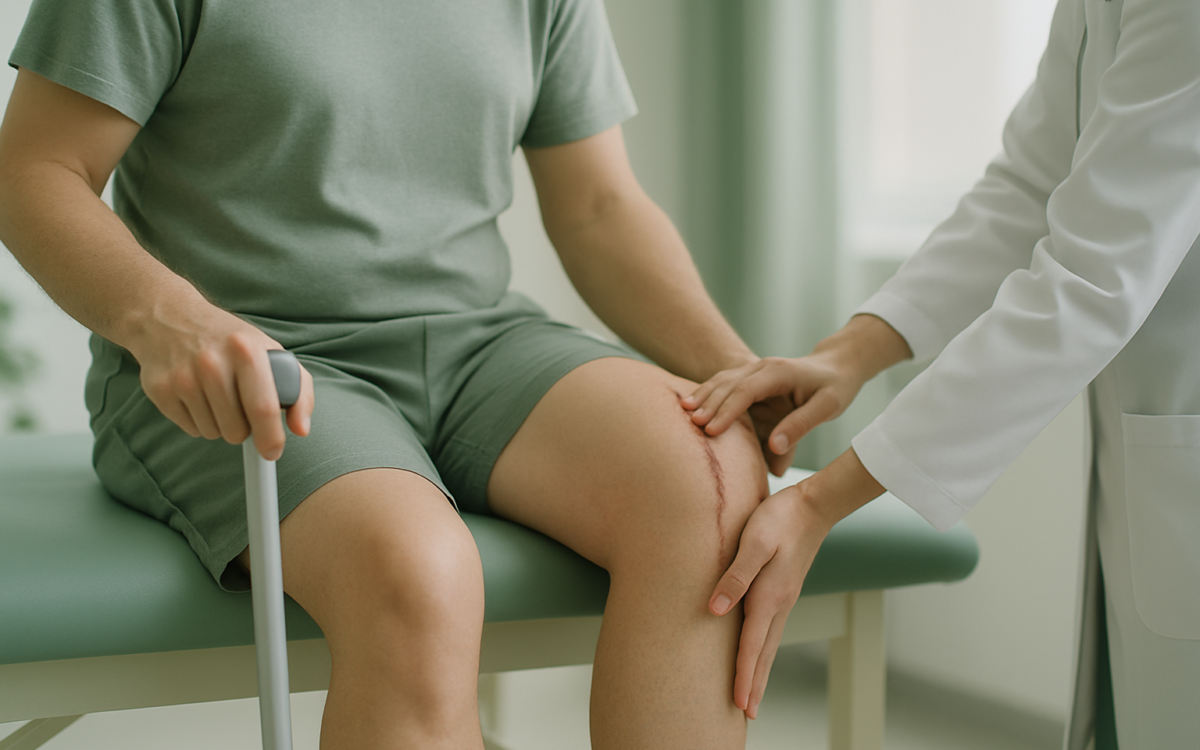
Undergoing total knee replacement (TKR) is a significant life event that can lead to remarkable improvements in mobility and quality of life. Whether you are just beginning your journey post-surgery or are several weeks into your recovery, understanding the steps and strategies to enhance your healing process can make a world of difference. Here’s what you should know about life after total knee replacement.
Understanding the Recovery Timeline
The recovery process after a total knee replacement varies for each individual but typically follows a general timeline. Many people find that:
- First week: You will spend a few days in the hospital, followed by several days at home. During this time, you will mainly focus on managing pain and getting comfortable moving around.
- Weeks 2-6: Gradual improvement in mobility occurs, as physical therapy (PT) becomes a critical component of your recovery.
- Months 1-3: You will likely notice continued strength improvement and a decrease in swelling. Many people are able to resume light activities and daily tasks.
- 6 months to a year: Complete recovery can take up to a year, but most individuals find significant improvements in their function and pain levels well before that.
Importance of Rehabilitation
Rehabilitation plays a pivotal role in the recovery process after total knee replacement. A tailored physical therapy program can help rebuild strength, improve range of motion, and reduce stiffness. Here are some key elements of rehabilitation:
- Exercises: Your therapist will guide you through exercises designed to strengthen the muscles surrounding your knee, enhance flexibility, and enhance overall function.
- Walking: Gradual increase in walking distance and time will help promote healing and stamina.
- Continual assessment: Regular assessments will help gauge your progress and make any necessary adjustments to your rehabilitation plan.
The Mayo Clinic emphasizes the importance of following your rehab program to maximize your recovery potential and return to the activities you enjoy. Learn more here.
Managing Pain and Swelling
After total knee replacement, experiencing some level of pain and swelling is common, particularly in the initial weeks. Here are useful strategies to manage these symptoms:
- Medications: Your doctor will prescribe pain relief. Make sure to follow their instructions on dosage and frequency.
- Ice therapy: Applying ice or a cold pack to your knee can help reduce swelling and numb the area, providing relief.
- Elevating the knee: Keeping your knee elevated can help reduce swelling. Aim for a position where your leg is higher than your heart when resting.
It’s essential to communicate any concerns regarding pain management with your healthcare provider. They can adjust your treatment plan, if necessary.
Returning to Daily Activities
One of the primary goals after total knee replacement is to return to your normal daily activities. However, it’s crucial to recognize that gradual progression is key. Here are several tips on how to navigate this process:
- Start with basics: Begin by focusing on movements you frequently perform, such as walking, sitting, or standing.
- Avoid high-impact activities: In the initial months post-surgery, refrain from high-impact sports or activities that put excessive strain on your knee.
- Listen to your body: If any activity causes significant pain, stop and consult your healthcare provider.
As your strength and mobility improve, you can begin incorporating more activities back into your life. The goal is to achieve a balanced and enjoyable lifestyle.
Emotional Well-Being After Surgery
It’s important to remember that emotional recovery is just as crucial as physical healing. After major surgery, it is common to experience a range of emotions, including frustration or anxiety about the recovery process. Here are some strategies for maintaining emotional well-being:
- Stay connected: Reach out to friends, family, or support groups for encouragement and companionship during your recovery.
- Maintain a positive outlook: Focus on small achievements, and celebrate progress, no matter how minor.
- Seek professional support: If feelings of sadness or hopelessness persist, consider talking to a mental health professional.
Research indicates that mental well-being can significantly impact physical recovery, making it essential to nurture your emotional health during this time.
When to See a Doctor
While many symptoms after total knee replacement are common, certain signs require medical attention. Contact your healthcare provider if you experience:
- Severe swelling that doesn’t improve with rest or ice
- Fever or chills, which may indicate an infection
- Persistent or worsening pain not relieved by medications
- Signs of blood clots, such as redness or warmth in your leg, or shortness of breath
Staying proactive about your health can ensure a smoother recovery.
In conclusion, a total knee replacement can be a turning point in your journey towards improved mobility and freedom from pain. Embrace the rehabilitation process, manage your expectations, and focus on both physical and emotional healing for the best outcomes. The road to recovery may be challenging, but with patience and perseverance, you can rediscover movement and reclaim your quality of life.
