
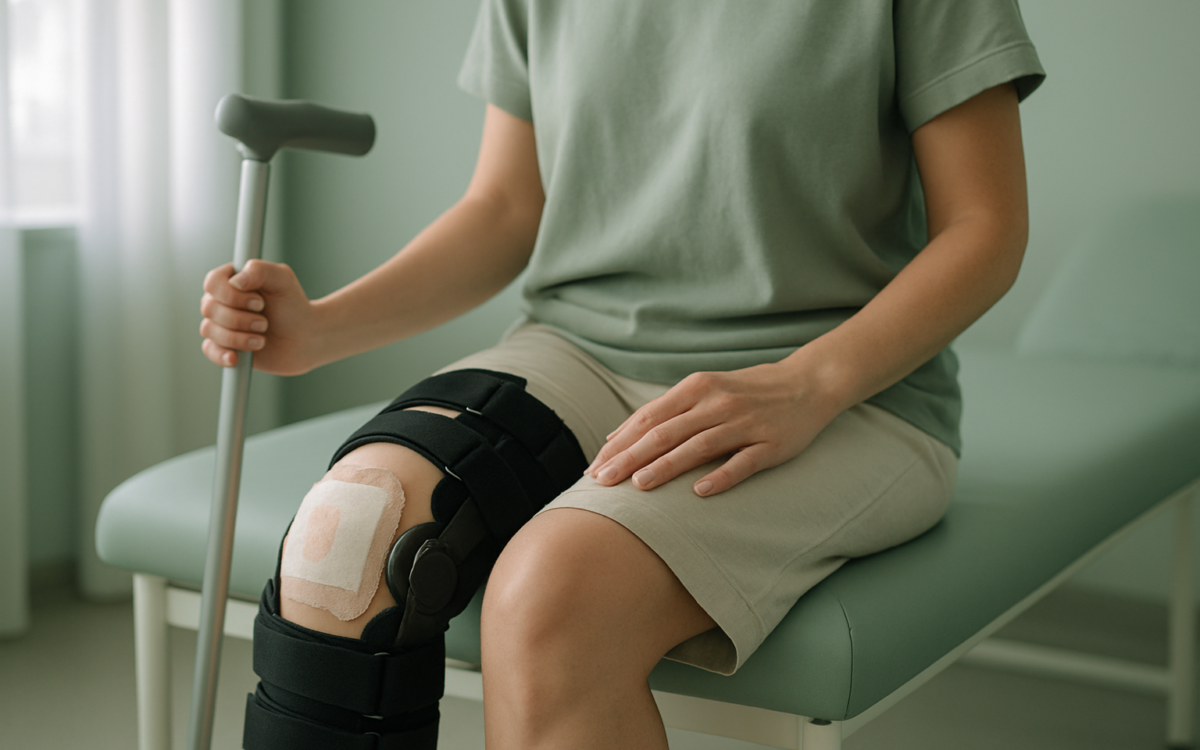
Recovering from knee surgery can be a daunting journey, but with the right knowledge and support, you can navigate this time with confidence. From understanding what to expect in the days following surgery to learning how to manage pain and stay active, a well-prepared recovery plan can significantly improve your healing process.
Understanding the recovery timeline
After knee surgery, it’s important to know that recovery happens in stages. While everyone’s journey is unique, here’s a general idea of what to expect:
- First week: Most people experience swelling and discomfort. You’ll likely need crutches to move around.
- Weeks two to four: Swelling may begin to decrease. Physical therapy often begins to improve mobility and strength.
- One to three months: Continued focus on physical therapy helps regain function and strength. You may be able to bear weight on your leg without assistance.
- Three to six months: By this stage, many patients return to daily activities, but some may still need occasional physical therapy to regain full strength and agility.
Managing pain effectively
Pain management is a crucial part of post-operative care. Your surgeon will likely prescribe pain medication, which may include:
- Over-the-counter medications: Non-steroidal anti-inflammatory drugs (NSAIDs) like ibuprofen can help reduce pain and swelling.
- Prescription medications: In cases of severe pain, your doctor may prescribe stronger painkillers.
- Ice and elevation: Applying ice and elevating your knee can help manage swelling and discomfort.
Be sure to discuss any concerns about pain management with your healthcare provider, as they can offer tailored strategies to suit your specific situation.
Importance of physical therapy
Physical therapy plays a vital role in your recovery. It not only helps strengthen your knee but also improves flexibility and mobility. Here are some key aspects of physical therapy:
- Early intervention: Starting therapy early can help reduce stiffness and improve range of motion quickly.
- Customized exercises: A physical therapist will design a program tailored to your needs, helping you progress safely.
- Monitoring progress: Regular check-ins can ensure you’re improving as expected and can provide adjustments if necessary.
Make sure to follow your therapist’s recommendations closely, as this will make a significant difference in your recovery.
Staying active during recovery
While rest is important, staying active can promote healing and prevent complications. Here are some activities you can consider:
- Gentle range-of-motion exercises: Simple movements such as leg lifts can help maintain flexibility.
- Low-impact activities: Swimming or cycling can be great options as they are easier on the joints.
- International treatment options: For those considering alternatives, exploring options such as treatment in Turkey may provide advanced recovery methods in specialized centers.
Always check with your doctor or physical therapist before starting any new activity to ensure it’s safe.
Recognizing signs of complications
While most recoveries are straightforward, it’s essential to be vigilant about possible complications. Here are some signs to watch for:
- Increased swelling or pain: While some swelling is normal, significant increases may signal an issue.
- Redness or warmth: If your knee becomes increasingly warm or red, it could indicate infection.
- Fever: A sudden fever above 100.4°F (38°C) could be a sign of infection.
If you notice any of these symptoms, reach out to your healthcare provider promptly to discuss your concerns.
When to see a doctor
Understanding when to seek medical advice is key to ensuring your recovery stays on track. Seek help if you experience:
- Severe pain that persists despite medications
- Significant swelling that does not improve
- Any unusual symptoms, such as numbness or inability to move your leg
Your healthcare provider can help determine if these symptoms are part of the normal healing process or if further evaluation is needed.
In conclusion
While recovery after knee surgery presents challenges, being well-informed can empower you on your healing journey. By managing pain effectively, attending physical therapy, staying active, and recognizing signs of complications, you can foster a smoother recovery. Remember, your healthcare providers are there to support you, so don’t hesitate to reach out with questions or concerns.
