
When it comes to prostate health, the conversation has typically centered around men. Most people know that men have a prostate, but what about women? This article aims to clarify common misconceptions regarding the prostate, women’s health, and associated conditions.
What is the prostate?
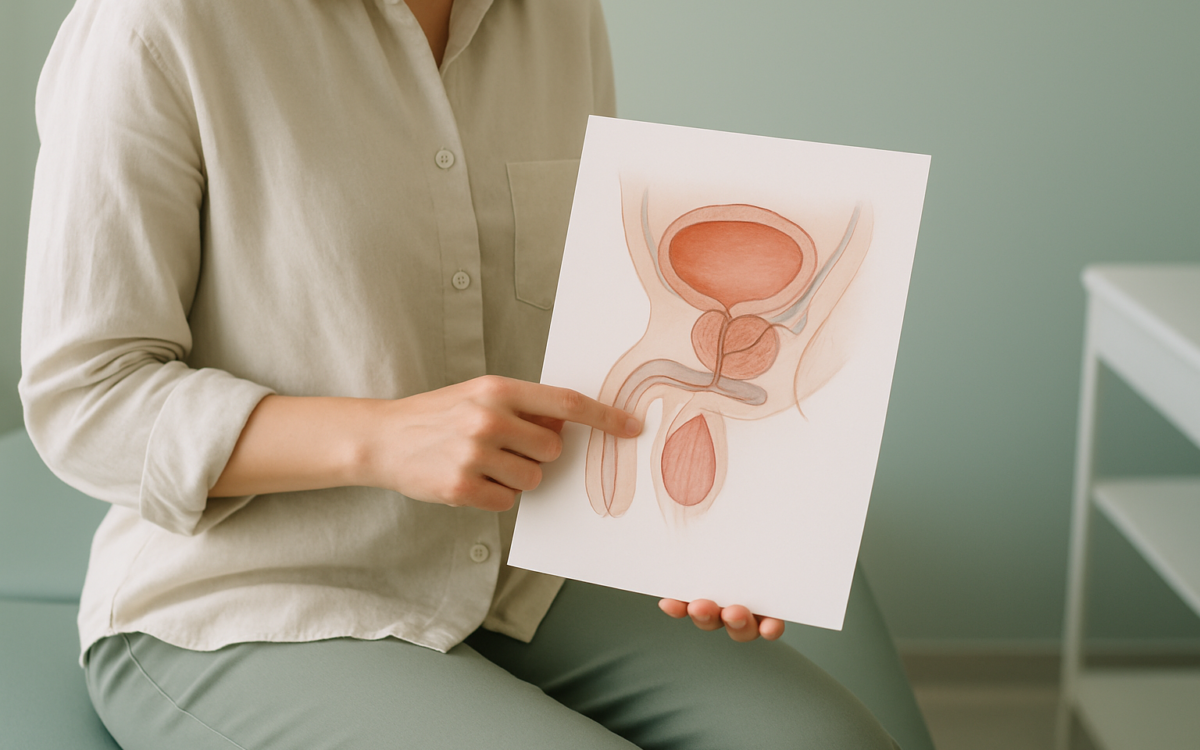
The prostate is a small gland located below the bladder and in front of the rectum in men. It plays a critical role in the male reproductive system, producing a fluid that nourishes and helps transport sperm during ejaculation. While women do not have a prostate gland, they do possess similar tissues.
Do women have a prostate?
The simple answer is no – women do not have a prostate. However, they do have an equivalent structure known as the Skene’s glands, also known as the paraurethral glands. Located near the urethra, these glands can produce a fluid that is somewhat similar in function, although their roles and significance are markedly different.
Understanding the Skene’s glands
The Skene’s glands are often referred to as the female prostate because they share certain similarities, notably in the fluids they produce. Some research suggests that these glands might contribute to female sexual function and pleasure. However, the Skene’s glands are much smaller than the male prostate and not functionally identical.
Prostate health issues and their relevance to women
While women don’t have prostates, they can face unique health issues related to their reproductive and urinary systems. Conditions affecting the bladder and urethra may sometimes mirror symptoms typically associated with prostate problems in men. For instance:
- Urinary Tract Infections (UTIs): Women experience these infections more frequently due to their anatomy.
- Interstitial Cystitis: Also known as painful bladder syndrome, this chronic condition is characterized by bladder pressure and pain.
- Urinary incontinence: This is common in women, especially during and after pregnancy, and can involve involuntary leakage of urine.
Gender differences in pelvic health
The distinctions between male and female pelvic anatomy lead to different health challenges. Women’s pelvic health is influenced by hormonal fluctuations, childbirth, and aging. Conditions affecting the female pelvic area are often under-researched compared to male prostate issues, which can lead to misconceptions and inadequate treatment options.
Symptoms you shouldn’t ignore
Even though women do not have a prostate, they should be aware of symptoms that may indicate underlying issues with their urinary or reproductive systems. Some of these symptoms include:
- Pain during urination
- Frequent urination
- Chronic pelvic pain
- Unexplained changes in urinary habits
Returning to the primary focus on men’s health, while the conversation usually revolves around prostate issues, it is essential to recognize that women experience their share of pelvic health problems that merit attention and understanding.
When to see a doctor
If you’re experiencing any unusual symptoms related to urinary or reproductive health, such as persistent pain or changes in urination, it’s essential to consult your healthcare provider. Early diagnosis and treatment can lead to better health outcomes.
Conclusion
In summary, while women do not have a prostate gland, they have their own health considerations related to pelvic health that deserve recognition. By understanding these differences, women can advocate for themselves in discussions about health and wellness. Knowledge empowers; the more we know about our bodies, the better equipped we are to address our health needs.
