
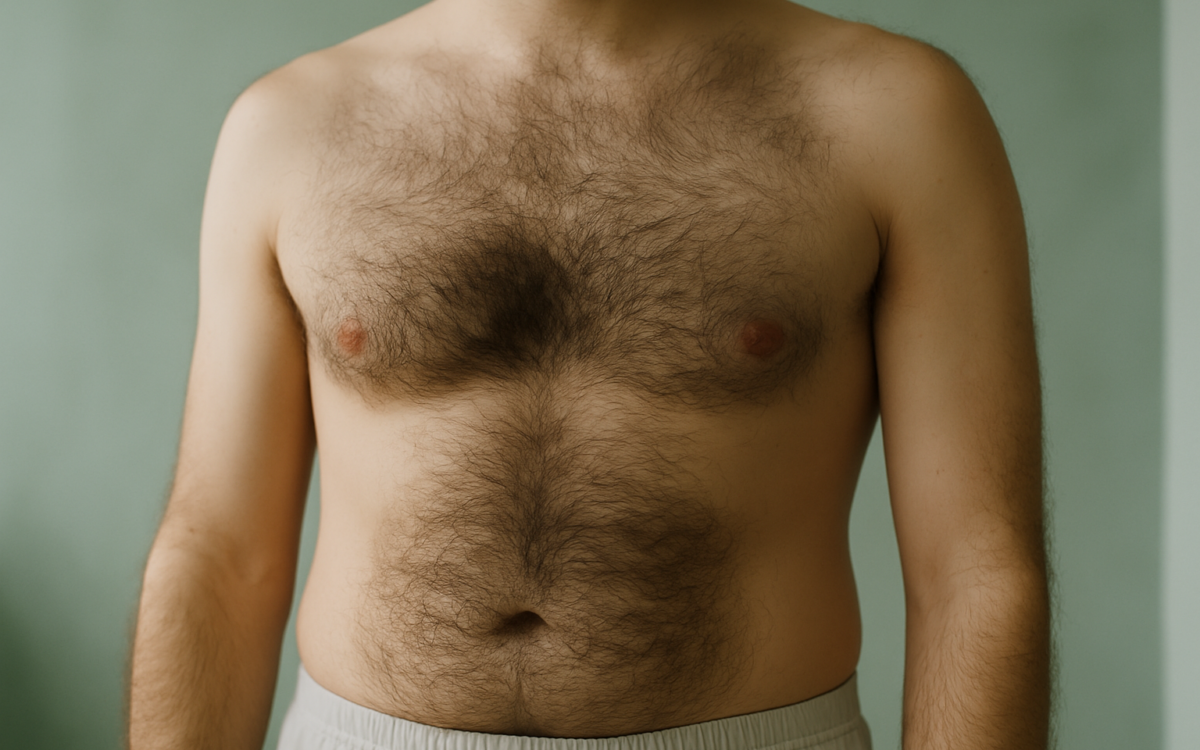
For many men, hairiness is a natural part of life. Whether it’s a thick beard, hairy chest, or heavily furred arms and legs, body hair can vary widely among individuals. But what factors contribute to male hairiness, and what does it mean for your health and self-image? In this article, we’ll explore the genetics behind body hair, hormonal influences, and when excessive hairiness could be a sign of an underlying health issue.
The Genetics of Hairiness
The amount and distribution of body hair in men is largely determined by genetics. Some men may have inherited traits from ancestors known for their hairy physiques or paler skin, while others may have traits that favor less body hair.
Research has shown that the genetic code plays a vital role in determining hair thickness, color, and growth patterns. Certain genes associated with hairiness have been identified, signaling that our genetic background is a key factor in our hairiness levels.
Hormonal Influences on Hair Growth
Hormones are another crucial player in the story of male hairiness. Testosterone, the primary male sex hormone, stimulates hair growth in various parts of the body. This includes the face, chest, and even the back. Men with higher testosterone levels often find that they have more body hair. However, hormonal imbalances can also lead to excessive hairiness, known as hypertrichosis.
Other hormones, such as dihydrotestosterone (DHT), a derivative of testosterone, also influence hair growth. Changes in hormone levels due to conditions such as puberty, aging, or certain medical treatments can result in increased body hair. If you’re concerned about unusual changes in your hairiness, it might be helpful to review your symptoms with a healthcare professional.
Male Hairiness and Self-Image
Self-image plays a significant role in how men perceive their body hair. Some embrace their natural looks, while others feel pressure to conform to societal beauty standards that often favor less body hair. Media portrayals, peer influences, and cultural factors all shape societal perceptions of hairiness. For some, body hair signifies masculinity, while others may feel self-conscious about unwanted hair.
It is important to recognize that each person’s experience is unique. For those who may feel overwhelmed by societal pressure regarding body hair, seeking support through counseling or talking with friends can be beneficial.
Managing Excessive Hairiness
For men who choose to manage their body hair, there are a variety of grooming options available. For instance:
- Shaving: A quick and effective way to remove hair, but requires regular upkeep.
- Waxing: Provides longer-lasting results but can be painful and may lead to skin irritation.
- Depilatory Creams: Chemical products that dissolve hair, suitable for various body areas but should be tested on a small area first due to the risk of allergic reactions.
- Laser Hair Removal: A more permanent solution but requires multiple sessions and can be costly.
Choosing the right method depends on personal preference, skin type, and hair type. It’s advisable to consult a dermatologist, especially when considering treatments that could affect skin health.
When Is Male Hairiness a Health Concern?
While body hair is often a normal characteristic, in some cases, excessive hairiness may signal underlying health issues. Conditions such as polycystic ovary syndrome (PCOS) in women, or hormonal imbalances, might lead to increased hair growth in both men and women. If you experience sudden changes in body hair, hair loss, or other unexplained symptoms, it may be time to consult a healthcare provider.
Signs to Look Out For
- Sudden increase or decrease in hair growth
- Changes in facial hair pattern
- Hair loss in patches
- Other changes in skin or overall health
Consulting a doctor can provide insights into your specific situation and rule out any potential medical issues.
Conclusion
Male hairiness is a complex subject influenced by genetics, hormones, and societal perceptions. Understanding the reasons behind body hair can help men feel more comfortable in their skin, regardless of societal standards. Whether you choose to embrace your body hair or look into grooming options, it’s vital to prioritize your wellbeing and self-image. Remember, if you have concerns about changes in your hairiness, consulting a healthcare professional is always a good step.
