
Missing teeth can greatly impact not only your appearance but also your overall confidence and oral function. Fortunately, dental implants have become a popular solution for those seeking a long-lasting and natural-looking replacement. Understanding the role of a dental implants dentist will help you navigate your options and ensure you receive the best care.
What Are Dental Implants?
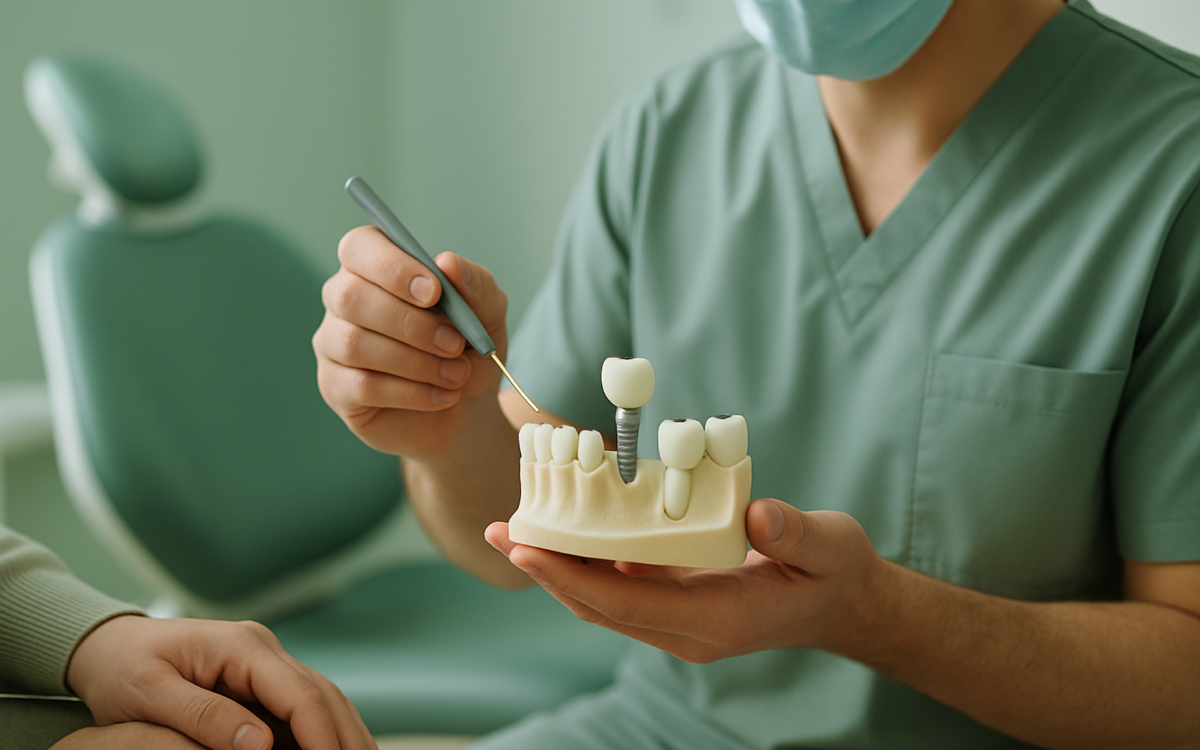
Dental implants are artificial tooth roots made from biocompatible materials, typically titanium, that provide a stable foundation for replacement teeth. Unlike dentures, which can slip and cause discomfort, dental implants fuse with the jawbone, offering a reliable and permanent solution for missing teeth. This fusion process, known as osseointegration, contributes to the implant’s strength and durability.
The Importance of a Dental Implants Dentist
Choosing the right dental implants dentist is crucial to the success of your treatment. Here are a few reasons why:
- Expertise: Dental implants require specialized skills and knowledge. A qualified dentist has received additional training beyond general dentistry, making them better equipped to handle complex cases.
- Customized Treatment Plans: Every patient is unique. A dental implants dentist will assess your oral health and develop a personalized treatment plan that meets your specific needs.
- Post-Operative Care: After the implant procedure, follow-up care is essential for proper healing and integration. A dedicated dental implants dentist will provide thorough post-operative guidance and support.
Who is a Candidate for Dental Implants?
Most people with missing teeth can consider dental implants. However, certain factors may affect eligibility. Ideal candidates should:
- Have sufficient bone density to support the implant or be willing to undergo grafting procedures to build up bone.
- Practice good oral hygiene to ensure a healthy foundation for the implant.
- Be free from chronic health conditions that could complicate surgery, such as uncontrolled diabetes or autoimmune disorders.
It’s crucial to have an in-depth consultation with a dental implants dentist to determine your suitability for the procedure.
What to Expect During the Procedure
The dental implant process typically involves several steps:
1. Consultation and Planning
During the first appointment, your dentist will examine your mouth, take X-rays, and discuss your medical history. This information will help them develop a tailored plan for your treatment.
2. Implant Placement
In a minor surgical procedure, the dentist will place the titanium implant into the jawbone. This usually occurs under local anesthesia, ensuring you feel little to no pain.
3. Healing Period
After the implant is placed, a healing period of several months is necessary. During this time, the implant integrates with the bone.
4. Abutment Placement
Once healed, a small connector called an abutment is attached to the implant. This abutment will hold the replacement tooth or crown.
5. Crown Placement
Finally, the custom crown, matched to the color and shape of your existing teeth, is placed on top of the abutment. This is what will ultimately provide you with a natural appearance.
Benefits of Dental Implants
Dental implants offer numerous advantages over other tooth replacement options:
- Aesthetic Appeal: Implants look and feel like natural teeth, enhancing your smile.
- Improved Function: They restore your ability to chew and speak comfortably.
- Long-Term Solution: With proper care, dental implants can last a lifetime, making them a cost-effective investment.
Potential Risks and Considerations
While dental implants are safe and effective, like any procedure, they come with potential risks. These may include:
- Infection at the implant site
- Nerve damage
- Sinus issues if implants are placed in the upper jaw
Discuss these risks with your dental implants dentist and weigh them against the benefits to make an informed decision about your treatment.
Maintaining Your Dental Implants
After the placement, it’s important to maintain your dental implants to ensure their longevity. Here are some tips:
- Practice good oral hygiene, including regular brushing and flossing.
- Visit your dentist for routine check-ups and cleanings.
- Avoid chewing on hard objects, which could damage the implant or crown.
By taking care of your dental implants, you can enjoy a healthy, confident smile for years to come.
When to See a Dentist
If you are considering dental implants or have any concerns about your current dental health, it’s important to consult with a professional. Signs that you should schedule a visit include:
- Pain or discomfort in the area of the implant
- Signs of infection, such as swelling or pus
- Difficulty chewing or speaking
Experiencing any of these symptoms warrants prompt attention from a dental professional to prevent complications and ensure the best outcomes.
In conclusion, dental implants represent a significant advancement in modern dentistry, offering a feasible solution for those who have lost teeth. Working closely with a skilled dental implants dentist can guide you through each step of the process, helping you achieve a beautiful, functional smile that boosts your confidence and quality of life.
