
A dazzling smile can create a positive impression, boost confidence, and enhance overall appearance. One of the most popular ways to achieve that beautiful glow is through dentist bleaching, also known as professional teeth whitening. This procedure can lighten teeth that have become discolored over time, and understanding the process can help you make informed decisions about your dental care.
What Is Dentist Bleaching?
Dentist bleaching typically involves the use of bleaching agents, primarily hydrogen peroxide or carbamide peroxide, which penetrate the enamel and break down stains on teeth. Unlike over-the-counter whitening products, dentist bleaching offers more effective and faster results due to higher concentrations of bleaching agents and professional application techniques.
Why Consider Dentist Bleaching?
Your teeth can become stained for a variety of reasons, including:
- Consuming beverages like coffee, tea, red wine, and soda
- Smoking or using tobacco products
- Getting older, as enamel naturally wears down
- Medications, such as certain antibiotics or antihistamines
- Genetics, as some people are prone to discoloration
Whether you’re preparing for a special occasion or simply want to boost your day-to-day smile, dentist bleaching offers several advantages:
- Custom Treatment: Dentists assess your dental health and formulate a personalized bleaching plan based on your specific needs.
- Faster Results: In-office treatments can lighten teeth several shades in just one visit, compared to weeks of at-home treatments.
- Professional Care: A dentist can monitor the process to minimize sensitivity and maximize results.
Types of Dentist Bleaching
There are generally two main types of dentist bleaching: in-office whitening and take-home kits.
In-Office Whitening
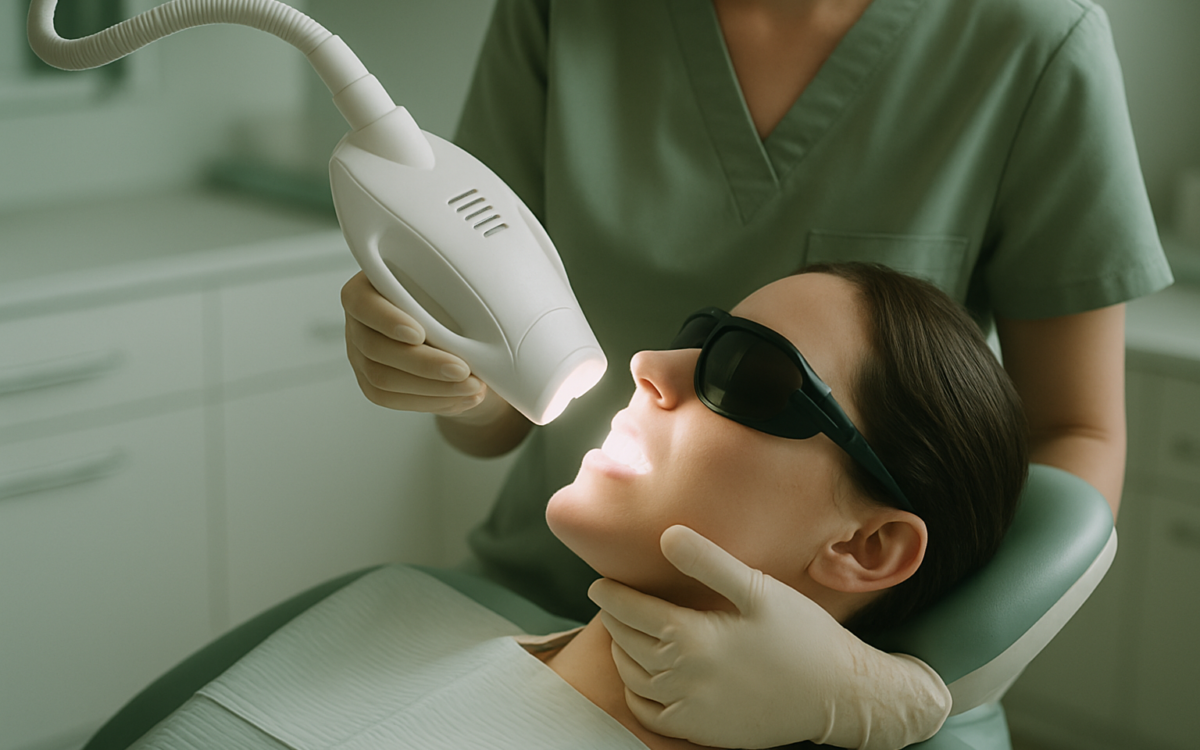
This entails a professional treatment done in the dental office, typically taking about one to two hours. After protecting your gums and other soft tissues, your dentist will apply the bleaching agent to your teeth. A special light may also be used to activate the bleach, helping it penetrate the enamel more effectively.
Take-Home Whitening Kits
Some dentists provide custom-fitted trays along with a lower concentration of bleaching gel for at-home use. You fill the trays with a whitening solution and wear them for a specified period, often several hours a day, over consecutive days.
Possible Side Effects
While dentist bleaching is regarded as safe, some individuals may experience side effects, including:
- Tooth Sensitivity: Temporary sensitivity to hot or cold foods and drinks is common during or after the treatment.
- Gum Irritation: If the bleaching agent comes into contact with your gums, it may cause mild irritation.
- Uneven Results: If you have dental work such as crowns or veneers, they will not whiten like natural teeth, leading to possible unevenly colored teeth.
It’s important to communicate with your dentist about your concerns and to follow their aftercare instructions closely.
Caring for Your Whitened Teeth
After undergoing dentist bleaching, maintaining your bright smile requires some effort. Here are essential tips:
- Limit Staining Foods and Drinks: Be mindful of coffee, tea, and red wine, which can stain your teeth. Rinse your mouth with water after consumption to help minimize stains.
- Practice Good Oral Hygiene: Brush and floss regularly, and consider using whitening toothpaste to maintain the results.
- Regular Dental Visits: Schedule routine dental check-ups for cleanings and to assess your whitening treatment longevity.
- Consider International Options: For those considering traveling for dental care, options like international patient services can provide access to qualified professionals and possibly more affordable treatments.
When to See a Dentist
If you’re contemplating dentist bleaching, it’s wise to schedule a consultation. Here are a few reasons to see a dentist:
- If you have sensitive teeth or gum issues
- If you’ve had recent dental procedures
- If you’re not seeing desired results from over-the-counter products
- If you have questions about safety and effectiveness
Consulting your dentist ensures that you receive appropriate care tailored to your dental health.
Conclusion
Dentist bleaching can be a powerful tool in achieving a brighter smile and enhancing your confidence. By understanding the process, potential side effects, and post-treatment care, you can make well-informed choices about your oral health and aesthetic goals. Always consult your dentist for personalized advice and recommendations tailored to your unique situation.
