
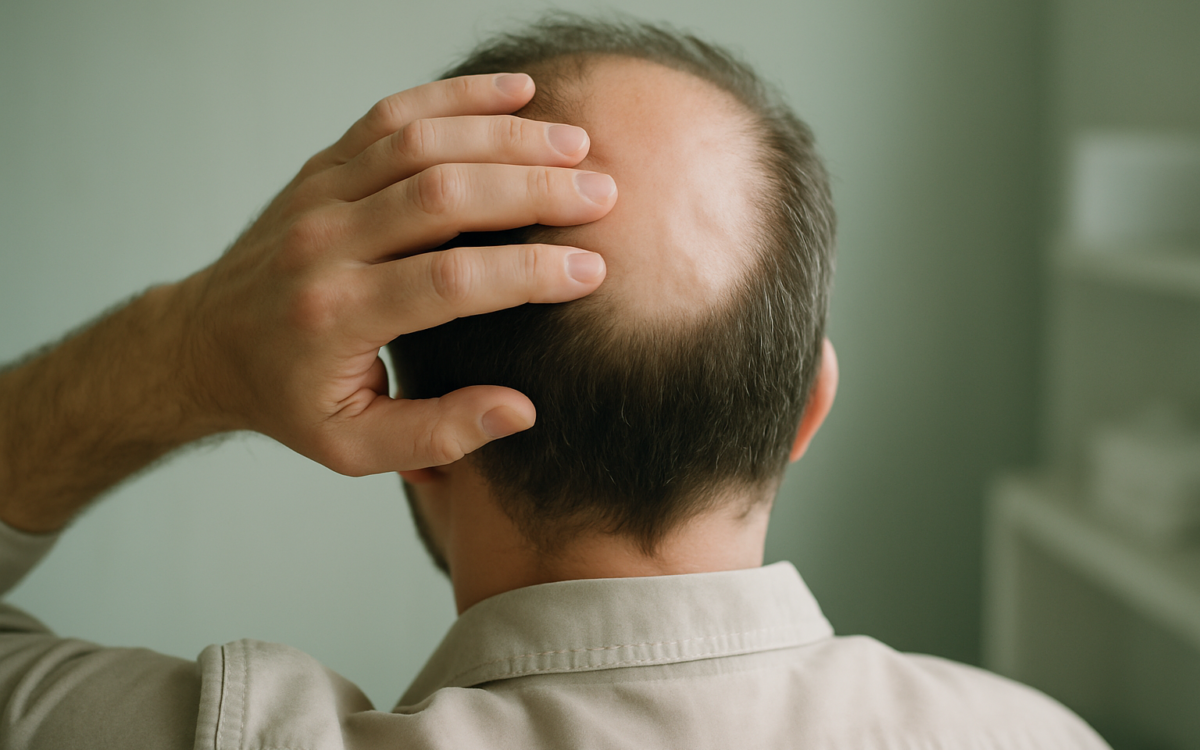
Bald spots can be a surprising and distressing experience for many. Whether you notice a small, round patch of hair loss or a larger thinning area, understanding the causes and options available can help you cope. This article will explore the potential reasons behind bald spots and suggest strategies for managing them.
Understanding Bald Spots
Bald spots are areas of hair loss that can occur on the scalp or other parts of the body. While they can be alarming, it’s important to remember that many people experience some degree of hair loss at some point in their lives.
Common Causes of Bald Spots
Alopecia Areata
Alopecia areata is a common autoimmune disorder that causes hair to fall out in small, round patches. This condition occurs when the immune system mistakenly attacks the hair follicles. The exact cause is unclear, but genetic factors and environmental triggers may play a role. Comprehensive information about this condition can be found on the NIH website.
Stress and Trauma
Emotional or physical stress can also lead to hair loss. This situation is often temporary but can create noticeable bald spots. Events like major life changes, severe illness, or trauma can trigger this type of hair loss. Recognizing the connection between stress and hair health can empower individuals to seek better stress management techniques.
Fungal Infections
Another potential cause of bald spots, especially in children, is a fungal infection called tinea capitis (ringworm of the scalp). This infection can cause hair to break off, leading to bald patches. Fungal infections require management, typically involving antifungal treatments. The CDC offers guidance on prevention and treatment options for such infections.
Genetics and Hormones
Genetic factors play a significant role in hair loss patterns. Male pattern baldness, or androgenetic alopecia, is a hereditary condition affecting many men as they age. Hormonal changes, particularly involving androgens, can contribute to hair thinning and balding.
Strategies for Coping with Bald Spots
Self-Care Practices
Self-care is essential in managing bald spots and promoting overall hair health. This includes maintaining a balanced diet, managing stress levels, and avoiding harsh hair treatments. Gentle care, such as minimal heat styling and mild shampoos, can help prevent further damage.
Consulting a Specialist
If you’re concerned about hair loss, especially if it happens suddenly, consulting a dermatologist is crucial. They can help determine the underlying cause and suggest appropriate treatments. A range of options including topical medications, corticosteroid injections, or even light therapy can be discussed.
Alternative Treatments
Some individuals explore alternative treatments such as essential oils, herbal remedies, or supplements. While anecdotal evidence exists for these methods, scientific research supporting their effectiveness is limited. Always consult with your healthcare provider before trying new treatments to ensure safety and appropriateness.
Maintaining Scalp Health
Healthy scalp practices can significantly impact hair growth and overall appearance. Keeping the scalp clean and moisturized may help create an optimal environment for hair. Regularly exfoliating the scalp and using products free of harsh chemicals can also promote a healthier scalp.
When to See a Doctor
It’s essential to reach out to a healthcare professional if you notice sudden or patchy hair loss, significant changes in your hair, or if bald spots are accompanied by other symptoms like itching or skin changes. An early evaluation can help in addressing potential underlying conditions effectively.
Conclusion
Bald spots can be a source of concern, but understanding their causes can help you cope more effectively. Whether it’s through self-care, seeking professional advice, or considering treatment options, taking proactive steps is key. Remember, you are not alone in this journey, and support is available.
