
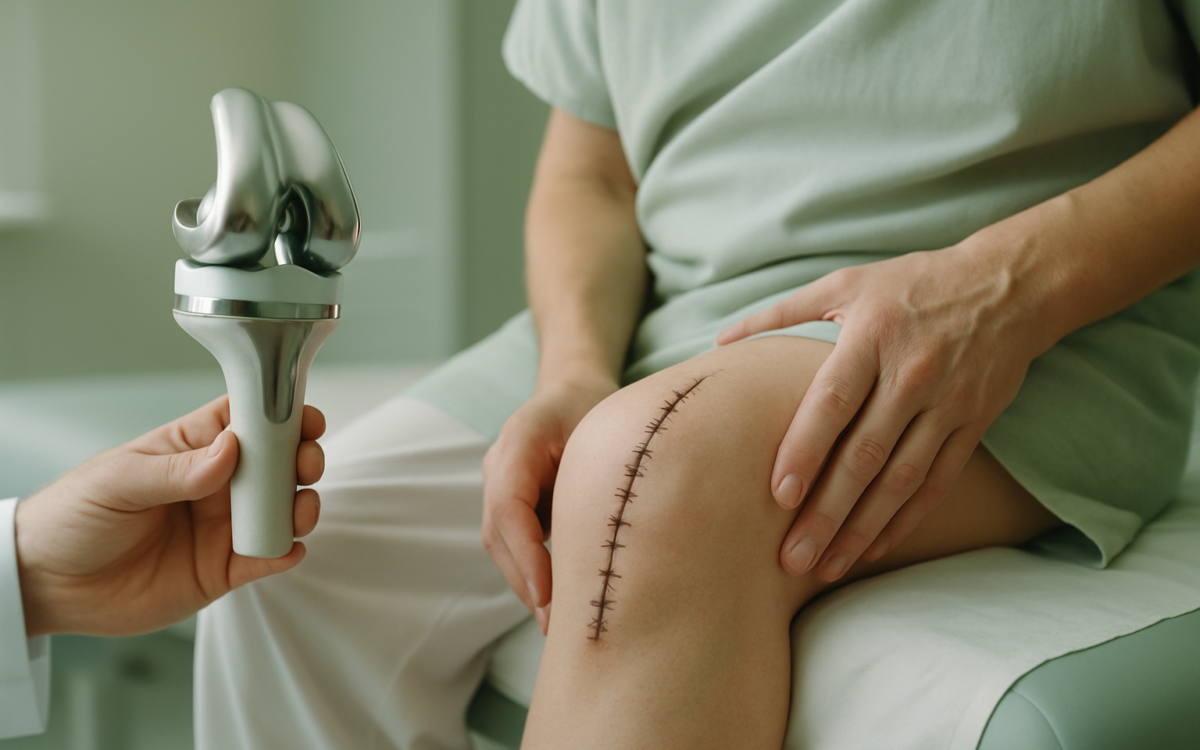
For many people, knee pain can be a significant barrier to enjoying daily activities. When medications and less invasive treatments are no longer effective, a complete knee replacement might be considered. This surgical procedure has become a common solution for individuals suffering from severe arthritis or knee damage, with the potential to restore function and reduce pain.
What is complete knee replacement?
A complete knee replacement, also known as total knee arthroplasty, is a surgical procedure that replaces the damaged surfaces of the knee joint with artificial components. The procedure is typically recommended for patients who have not found relief through other treatments. During the operation, the surgeon removes the damaged cartilage and bone before positioning metal and plastic implants that mimic the natural knee joint.
Who needs a complete knee replacement?
Complete knee replacements are usually considered for individuals suffering from:
- Severe knee pain that limits daily activities
- Osteoarthritis, rheumatoid arthritis, or post-traumatic arthritis
- Knee deformity
- Unsuccessful relief from other treatment options
The decision to undergo surgery should be discussed thoroughly with a healthcare professional. Each individual’s situation is unique, and a full evaluation is necessary to determine if surgery is the best option.
What to expect before surgery
Before the procedure, patients typically undergo a comprehensive assessment that includes physical exams, imaging tests like X-rays, and possibly blood tests. This preoperative evaluation helps the surgical team prepare for the operation and understand the patient’s overall health status. Doctors may also advise patients on how to prepare for surgery, which could include:
- Adjusting medications
- Physical therapy to strengthen the knee
- Weight management to reduce strain on the knee
Understanding the risks involved is also important. Common risks of knee replacement surgery can include infection, blood clots, and nerve damage.
The surgical procedure
On the day of the surgery, patients will typically receive anesthesia, which can be general or regional, targeting just the knee area. The procedure usually lasts about one to two hours and involves:
- Making an incision at the front of the knee
- Removing damaged bone and cartilage
- Placing the new metal and plastic components
- Closing the incision with stitches or staples
After surgery, patients are usually moved to a recovery area where healthcare professionals monitor vital signs and manage pain.
Recovery and rehabilitation
Following the surgery, a structured rehabilitation program is crucial for improving knee function. Patients often stay in the hospital for one to three days, depending on their recovery progress. The initial phase of recovery may involve:
- Physical therapy to regain strength and flexibility
- Pain management through medications
- Gradual weight-bearing activities
Home care also plays a significant role in recovery. Patients are encouraged to continue their exercises and follow up with their healthcare team to monitor their progress. Full recovery from complete knee replacement typically takes a few months, with many patients experiencing significant improvement in pain relief and mobility.
Long-term outlook
Most individuals who undergo a complete knee replacement report positive outcomes, including decreased pain and improved quality of life. The artificial knee joint often lasts 15 to 20 years, making it a long-term solution for individuals with severe joint issues. However, maintaining a healthy lifestyle through proper nutrition and regular physical activity can further enhance the longevity of the knee implant.
When to see a doctor
Consulting with a healthcare provider is essential if you experience persistent knee pain, swelling, or instability, or if conservative treatments fail to alleviate your symptoms. Early intervention can lead to more effective management of knee-related concerns.
Complete knee replacement is a life-changing procedure for those in pain due to knee conditions. Understanding the process, from diagnosis through recovery, can empower patients to make informed decisions about their health. Always consult your healthcare provider for personalized medical advice.
For more information about complete knee replacement and related health issues, visit Mayo Clinic or NIH.
