
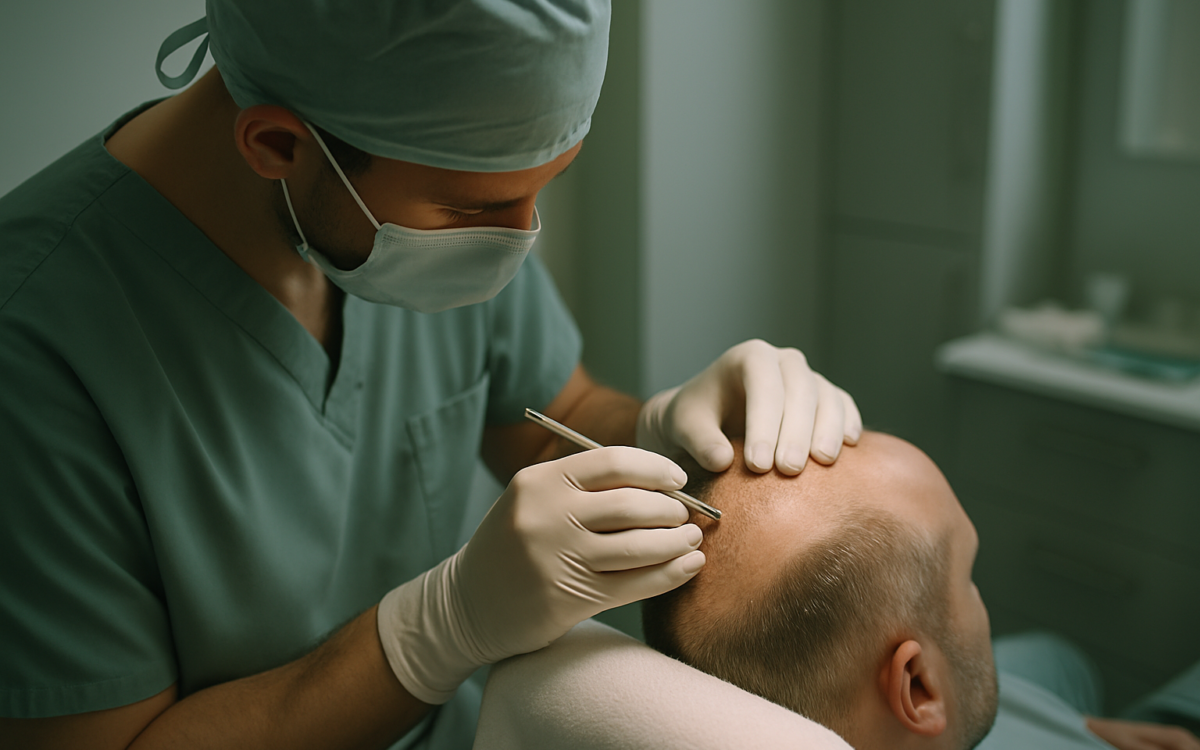
Hair loss can be a challenging experience, affecting self-esteem and confidence. If you’re considering a hair transplant, it’s crucial to choose the right clinic. But how do you find a reputable hair transplant clinic that meets your needs? In this article, we’ll walk you through the factors to consider when selecting a clinic, what to expect during the procedure, and the importance of post-operative care.
Understanding Hair Transplants
Before diving into how to choose a hair transplant clinic, it’s essential to understand what a hair transplant involves. A hair transplant is a surgical procedure where hair follicles from one part of your body, usually the back or side of the scalp, are removed and transplanted to areas where hair is thinning or balding. There are two primary methods for performing hair transplants: Follicular Unit Extraction (FUE) and Follicular Unit Transplantation (FUT). Each method has its pros and cons, which can affect your choice of clinic.
What to Look for in a Hair Transplant Clinic
Choosing a hair transplant clinic is a significant decision. Here are some key factors to consider:
1. Credentials and Experience
Check the credentials of the clinic and its surgeons. Look for board-certified dermatologists or plastic surgeons who specialize in hair restoration. Their experience and training can significantly influence the outcome of your procedure. You can verify the credentials through official medical boards or associations.
2. Reputation and Reviews
Research the clinic’s reputation by reading online reviews and testimonials. Websites like NIH and Mayo Clinic often provide credible information about medical professionals. Look for clinics that have a history of satisfied patients and successful results. Remember, every individual’s experience may vary, but consistent positive feedback is a good sign.
3. Before-and-After Photos
Many clinics showcase before-and-after photos of previous patients. These images can give you an idea of the results you might expect. Look for results that match your expectations and consider if the work seems natural and well-executed. Remember to consider the specific hair styles and conditions of those in the photos when evaluating potential results.
4. Consultation Process
A thorough consultation is an essential part of the hair transplant process. During this meeting, you should discuss your hair loss pattern, medical history, and expectations. The surgeon should provide clear explanations of the methods available, potential results, and risks involved. If a clinic rushes through the consultation or doesn’t address your concerns, it might be a red flag.
Understanding the Costs
Hair transplant costs can vary significantly between clinics and depend on numerous factors, including:
- The method used (FUE vs. FUT)
- The extent of hair loss
- The number of grafts needed
- Location of the clinic
On average, hair transplants can range from $4,000 to $15,000. It’s vital to consider that cheaper options may not always provide quality care. Be wary of clinics with prices that seem too good to be true, as these might compromise on safety or quality.
What to Expect During the Procedure
Once you select a clinic and book your procedure, it’s time to prepare for the day of your hair transplant. Here’s what generally occurs:
- Preparation: You may be asked to stop taking blood thinners or certain medications ahead of time.
- Anesthesia: The procedure typically starts with local anesthesia to minimize discomfort.
- Harvesting Hair Follicles: Depending on the method, the surgeon will either extract individual follicles or remove a strip of scalp.
- Transplanting Follicles: The harvested follicles will be meticulously placed in the thinning or balding areas.
The entire process can take several hours. After the procedure, you’ll receive specific aftercare instructions to promote healing and hair growth.
Post-Operative Care and Results
After your hair transplant, following the post-operative care instructions is crucial for optimal results. Some common recommendations include:
- Avoiding strenuous activities for a few weeks
- Protecting your scalp from sunlight
- Using prescribed medications to prevent infection
- Being gentle with your hair; avoid vigorous washing or brushing in the initial stages
Hair growth typically begins to show after a few months, with full results visible within 6-12 months. Be patient and trust the process, understanding that everyone’s hair growth journey is unique.
When to See a Doctor
If you experience unusual reactions after your hair transplant, such as excessive pain, infection symptoms (like fever or redness), or if the transplanted hair appears to be falling out significantly within the first few weeks, consult your clinic or a medical professional for further evaluation. It’s essential to stay in touch with your healthcare provider to ensure a healthy recovery.
Choosing the right hair transplant clinic can set the foundation for a successful outcome. Consider the factors discussed, and don’t hesitate to ask questions. A well-informed decision can lead to increased satisfaction with your results and improved confidence in your appearance.
