
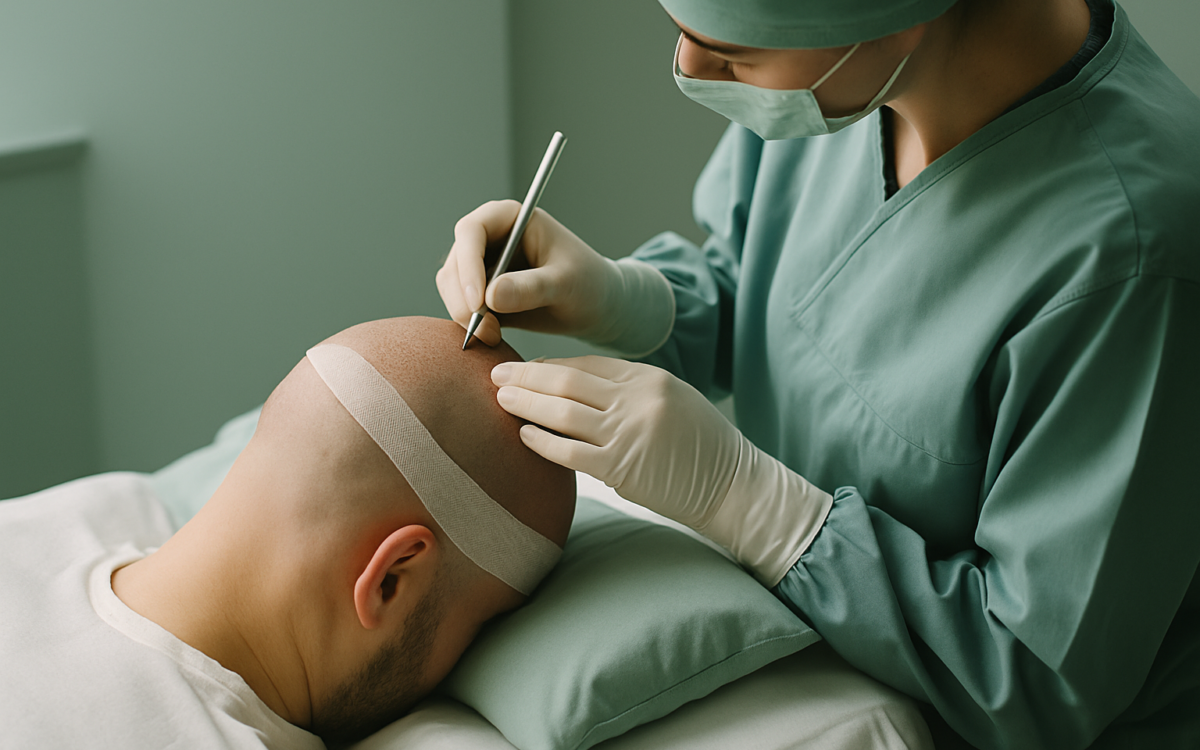
The rise in popularity of Turkish hair transplants can be attributed to a combination of effective techniques, experienced professionals, and affordability. Thousands of individuals from around the globe travel to Turkey each year for this specific form of hair restoration. But what does the process entail? Understanding the options, costs, and potential risks can help prospective patients make informed choices.
What is a Hair Transplant?
A hair transplant is a surgical procedure that moves hair follicles from one part of the body, typically the back of the scalp, to areas where hair is thinning or balding. The main techniques used are Follicular Unit Extraction (FUE) and Direct Hair Implantation (DHI), both of which have shown promising results.
Why Choose Turkey for Hair Transplants?
Turkey has become a hub for hair restoration treatments for several reasons:
- Affordability: The cost of hair transplants in Turkey is significantly lower compared to many Western countries, making it an attractive option for those on a budget.
- Experienced Surgeons: Many Turkish clinics employ highly trained professionals who specialize in hair restoration. Their experience often leads to satisfactory results.
- Comprehensive Packages: Many clinics offer all-inclusive packages that cover not just the surgery but also accommodation, transport, and even post-operative care.
The Process of a Turkish Hair Transplant
The hair transplant process typically involves several stages:
1. Consultation
Before the procedure, a detailed consultation is conducted to assess the patient’s hair loss pattern, discuss expectations, and outline the best technique for their individual needs.
2. Preparation
On the day of the surgery, the patient is prepared. This includes scanning the scalp for donor hair, marking the areas for extraction and implantation, and administering local anesthesia to minimize discomfort.
3. Extraction
In FUE, hair follicles are extracted one by one. In DHI, the extraction is similar, but the implantation tool is slightly different, allowing for more precision.
4. Implantation
Once the follicles are extracted, they are meticulously implanted into the recipient area. This step requires a steady hand and artistic skill to ensure the hairline looks natural.
5. Recovery
Patients typically recover at home, following specific guidelines to care for the transplanted hair. It’s normal for transplanted hair to shed within a few weeks, but new growth generally starts to appear after a few months.
Risks and Considerations
Like any surgical procedure, there are potential risks and side effects associated with Turkish hair transplants, including:
- Infection: As with any surgery, there is a risk of infection. That’s why it’s crucial to follow all aftercare instructions provided by the clinic.
- Scarring: While FUE techniques cause less scarring than traditional methods, scarring can still occur.
- Unsatisfactory Results: The outcomes of hair transplants can vary. It’s essential to set realistic expectations and choose a reputable clinic.
Cost of Turkish Hair Transplants
The cost of hair transplants in Turkey can range significantly based on several factors, including:
- Technique used (FUE vs. DHI)
- Number of grafts needed
- Clinic reputation and surgeon experience
On average, patients might spend anywhere between $1,500 to $3,500 for their procedure, which is a fraction of the costs in other regions where the same quality of care exists. Many health insurance plans do not cover hair transplants, so it’s vital to verify all costs upfront.
What to Expect After a Hair Transplant
Post-operative care is a critical part of the recovery process. It includes:
- Avoiding strenuous activities for a few days
- Following a shampooing schedule prescribed by the clinic
- Monitoring the scalp for any signs of complications
Initial results may not be noticeable for the first few months, but as the hair starts to grow in, the full effect of the transplant can usually be seen within 6 to 12 months.
When to See a Doctor
If you experience any unusual symptoms following a hair transplant—such as severe pain, excessive bleeding, or signs of infection—consult a healthcare professional immediately. It’s always better to be cautious when dealing with surgical procedures.
Overall, a Turkish hair transplant represents a blend of affordability and quality care, making it an appealing option for those seeking to restore their hair. As with all medical procedures, thorough research and a consultations with healthcare professionals can guide your journey toward achieving your desired results.
