
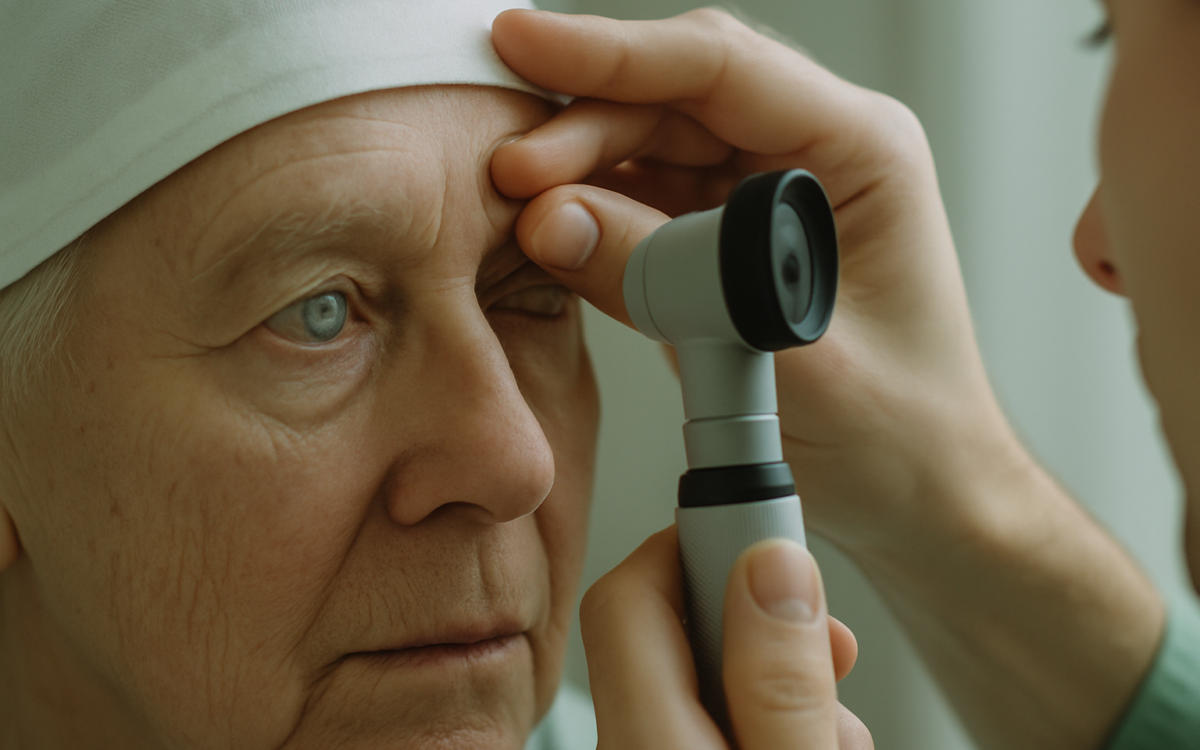
Eye cataracts are a common condition, especially as we get older. They occur when the clear lens of the eye becomes cloudy, leading to vision problems. Understanding cataracts can empower you to take better care of your eye health and make informed decisions about your vision.
What Are Cataracts?
Cataracts form in the lens of the eye, which is responsible for focusing light onto the retina. When the lens becomes cloudy, it can lead to blurry vision, difficulty seeing at night, and sensitivity to light. Most cataracts develop slowly and can affect one or both eyes.
Causes of Cataracts
The primary cause of cataracts is aging. As we age, the proteins in the lens begin to break down, leading to cloudiness. However, several factors can contribute to their formation:
- Genetics: A family history of cataracts may increase your risk.
- Diabetes: People with diabetes are at higher risk of developing cataracts.
- Smoking: Tobacco use has been linked to a greater likelihood of cataracts.
- Excessive Sunlight: UV radiation from the sun can also contribute to cataract formation.
- Certain Medications: Long-term use of steroids can lead to cataracts.
Understanding these causes can help you reduce your risk and maintain your eye health.
Symptoms to Watch For
Cataracts often progress slowly, and many people may not notice symptoms initially. However, as they worsen, you might experience:
- Blurry or cloudy vision
- Difficulty seeing at night
- Sensitivity to light and glare
- Frequent changes in prescription glasses or contact lenses
- Seeing halos around lights
- Colors appearing faded or yellowed
If you’re experiencing any of these symptoms, it’s crucial to pay closer attention to your vision health.
Diagnosis of Cataracts
If you suspect you have cataracts or are experiencing vision changes, an eye examination by an eye care professional is essential. During the exam, the doctor will typically:
- Conduct a visual acuity test to check clarity of vision.
- Perform a slit-lamp examination to examine the lens and other parts of your eye.
- Utilize tonometry to measure eye pressure.
Through these assessments, the doctor can identify cataracts and discuss the best course of action.
Cataract Treatment Options
Treatment for cataracts often depends on the severity of the condition and how much it affects your daily life. In the early stages, lifestyle changes or updated prescriptions for glasses or contacts may suffice. However, if cataracts interfere significantly with your vision, surgery may be recommended.
Cataract surgery is one of the most common procedures performed globally. During the surgery, the cloudy lens is removed and usually replaced with an artificial lens, allowing for clearer vision. Modern techniques often mean that surgery is quick, with most patients experiencing a significant improvement in vision following the procedure.
For more detailed information, consult resources like the Mayo Clinic or the NIH.
Prevention and Eye Care
While you cannot completely prevent cataracts, certain strategies can lower your risk. Consider adopting these healthy habits:
- Protect your eyes from UV light by wearing sunglasses with UV protection.
- Maintain a healthy diet rich in antioxidants, which may help protect eye health.
- Quit smoking, if applicable, as this has significant benefits for overall health.
- Manage chronic health conditions like diabetes with your healthcare provider.
- Schedule regular eye exams to monitor your eye health.
Taking these steps can help you maintain clear vision and reduce the risk of developing cataracts.
When to See a Doctor
If you’re noticing changes in your vision, such as increased blur or difficulty seeing at night, it’s important to make an appointment with an eye care professional. Regular eye check-ups can catch conditions like cataracts early, allowing for timely management.
Conclusion
Cataracts are a common part of aging, but understanding them can help you maintain better eye health. Awareness of the symptoms, potential causes, and treatment options can guide you in making informed decisions about your vision. Remember to consult your healthcare provider if you have concerns about your eye health.
