
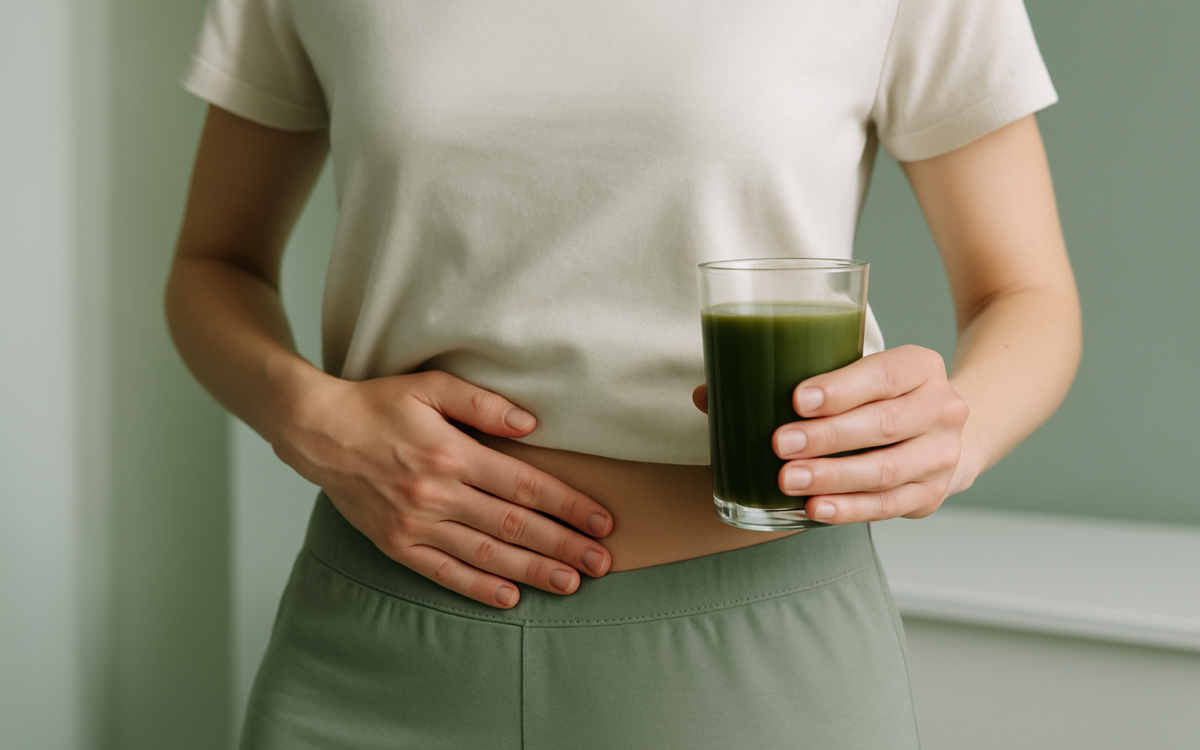
Our digestive system plays a crucial role in our overall well-being. Sometimes, people look for ways to cleanse their bowels as part of a health routine or to address discomfort. This article will explore the methods available for bowel cleansing and their effects, ensuring you’re well-informed before making any decisions.
The importance of bowel health
Healthy bowels contribute to better digestion, nutrient absorption, and elimination of waste. The intestines host a complex community of bacteria, known as the gut microbiome, which aids digestion and supports the immune system. Maintaining a balanced microbiome is vital to overall health, and cleansing the bowels can impact this balance.
What does it mean to cleanse your bowels?
Cleansing the bowels typically refers to the process of flushing out waste and toxins from the colon. Many believe that this practice can enhance gut health, improve digestion, and even boost energy levels. However, it’s essential to note that the body has its own natural detoxification systems, primarily the liver and kidneys, which effectively handle the removal of toxins. So, why do people choose to cleanse their bowels?
Methods for cleansing the bowels
There are several methods people use to cleanse their bowels. Here are some of the most common approaches:
1. Dietary changes
Adjusting your diet is one of the safest and most effective ways to promote bowel health. Here are some dietary tips:
- Increase fiber intake: Soluble and insoluble fibers help move food through the digestive tract. Foods like fruits, vegetables, whole grains, and legumes are excellent sources.
- Stay hydrated: Drinking plenty of water aids in digestion and helps dissolve nutrients, ensuring they can be absorbed effectively.
- Probiotics: Foods like yogurt, kimchi, and sauerkraut contain friendly bacteria that support gut health.
2. Herbal supplements
Some people turn to herbal remedies for bowel cleansing. Popular options include:
- Senna: A natural laxative that stimulates bowel contractions.
- Psyllium husk: A soluble fiber beneficial for promoting regularity.
- Aloe vera: Sometimes used for its mild laxative properties.
While these supplements can help, consult a healthcare professional before trying any herbal remedy to ensure it’s safe for you.
3. Enemas and colonics
Though less common, some individuals opt for enemas or colon hydrotherapy (colonics) to cleanse their bowels. These procedures involve introducing liquid into the rectum to flush out the colon. While they may provide temporary relief for constipation or bloating, they also come with risks, such as electrolyte imbalances and infection. Always consult a doctor before pursuing these options.
Potential benefits of bowel cleansing
While scientific evidence supporting the need for bowel cleansing is limited, some potential benefits could include:
- Improved digestion: A cleanse may provide temporary relief from bloating and constipation.
- Increased energy: Some people report feeling lighter and more energetic after cleansing, possibly due to improved digestion.
- Enhanced general well-being: Many find that taking time to focus on their health habits can lead to a more mindful lifestyle.
Risks and considerations
Bowel cleansing is not without its risks. Here are some factors to consider:
- Overuse of laxatives: This can lead to dependency and disrupt normal bowel function.
- Dehydration: Inadequate fluid intake during cleansing can result in dehydration, which can affect overall health.
- Imbalance of gut bacteria: Excessive cleansing may lead to an imbalance in your gut microbiome, affecting digestion and immune health.
It’s essential to approach bowel cleansing with caution and understand that your body is typically good at detoxifying itself.
When to see a doctor
Consult a healthcare professional if you experience ongoing digestive issues, such as:
- Chronic constipation or diarrhea
- Abdominal pain or discomfort
- Unexplained weight loss
- Changes in bowel habits or stool consistency
By discussing your symptoms with a doctor, they can help determine if a bowel cleanse or other treatment approaches are appropriate for your situation.
Conclusion
Cleansing the bowels can seem appealing for those seeking digestive health or relief from discomfort, but it’s essential to do so safely. Emphasizing a balanced diet rich in fiber and staying hydrated are natural ways to support your digestive system. Always remember to consult a healthcare provider before making significant changes to your health routine or trying new supplements and procedures. Your body has its methods for clearing out waste, and understanding these processes will empower you to make informed choices.
For more information on digestive health, explore resources from reputable sources like the National Institutes of Health or the Mayo Clinic.
