
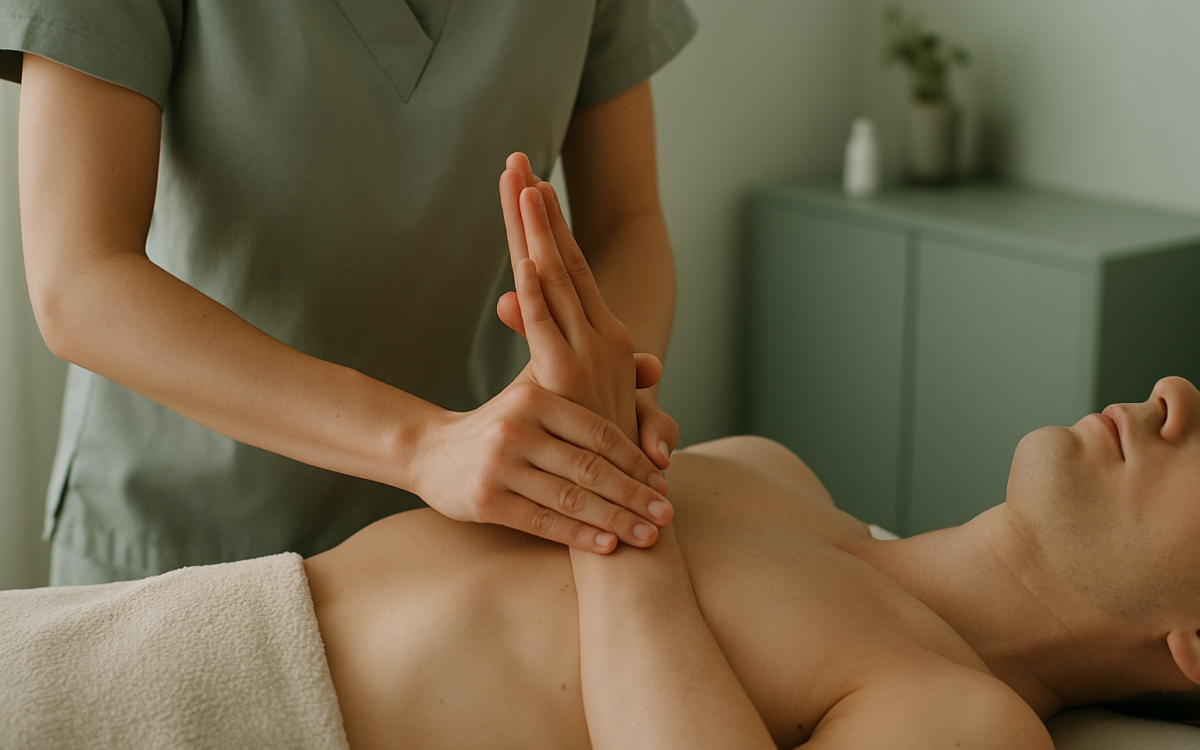
Massage linga, often simply referred to as linga massage, is a holistic practice that promotes relaxation and well-being through specialized techniques. Originating from the ancient cultures that valued physical touch for healing, this form of massage emphasizes the connections between body, mind, and spirit. As people increasingly seek natural means to alleviate stress and improve health, massage linga presents an enticing option. In this article, we will uncover its benefits, techniques, and overall significance for a balanced lifestyle.
The Historical Context of Massage Linga
Massage has been a part of human culture for thousands of years. Different forms and styles have emerged based on regional practices and philosophies. Massage linga specifically ties itself to the principles of holistic health, which acknowledges that physical, emotional, and spiritual aspects are interconnected.
In many Eastern philosophies, including Indian and Chinese medicine, the concept of energy flow is vital. Massage linga often focuses on these energy points, balancing the body’s energies for optimal health. This tradition has garnered interest globally, with increasing numbers of practitioners trained in these techniques.
Benefits of Massage Linga
Engaging in regular massage linga can lead to a plethora of benefits. While scientific studies are ongoing, many practitioners and users report noticeable improvements in their overall health. Here are some key advantages:
- Stress Relief: One of the primary benefits of massage linga is its ability to enhance relaxation. By stimulating the body’s pressure points, the massage can help reduce levels of stress hormones, promoting a sense of calm and well-being.
- Enhanced Circulation: Improved blood flow is another common benefit. Massage linga techniques can stimulate circulation, which may help bring oxygen and nutrients to tissues and remove waste products from the body.
- Muscle Tension Relief: Specifically targeting sore muscles, massage linga can provide relief and relaxation, improving mobility and comfort in everyday activities.
- Holistic Well-being: This form of massage not only serves physical needs but also nurtures emotional and spiritual health, addressing the whole person rather than just isolated symptoms.
Techniques Used in Massage Linga
Massage linga employs various techniques tailored to individual needs and preferences. These can vary from gentle strokes to more intense pressure, integrating various modalities. Some commonly used techniques include:
- Swedish Techniques: Emphasizing long strokes, kneading, and circular movements, these techniques are designed to enhance relaxation and blood flow.
- Pressure Point Therapy: This involves applying pressure to specific points on the body, often aimed at relieving tension and restoring energy balance.
- Deep Tissue Techniques: For those with deeper muscle tension, practitioners may use focused slower strokes and deeper pressure to release chronic muscle tension.
It is essential to communicate your needs and comfort levels with your practitioner, ensuring that the selected techniques align with your goals. Additionally, if you are considering traveling internationally for treatments, facilities such as international patient services provide essential resources and support for travelers seeking holistic healthcare.
Finding a Qualified Practitioner
When looking for a qualified linga massage practitioner, several factors merit careful consideration:
- Certification and Training: Always check that your massage therapist has appropriate training and certification in massage linga or affiliated techniques.
- Experience: Seek practitioners with experience in massage linga, as well as those who demonstrate a genuine understanding of holistic health principles.
- Client Reviews: Look for testimonials or reviews from previous clients to gauge the practitioner’s effectiveness and style.
As with any health-related service, finding the right fit is essential for a positive experience. Take your time to research and choose someone who resonates with your wellness journey.
Potential Risks and Considerations
While massage linga is generally safe and beneficial, it may not be suitable for everyone. Certain conditions may prohibit some individuals from receiving this type of massage. For instance:
- People with skin infections or contagious diseases should avoid massage.
- Individuals with specific health issues, such as recent injuries or surgeries, should consult their healthcare providers before obtaining any type of massage therapy.
- Pregnant individuals should seek practitioners who specialize in prenatal massage techniques.
As a preventive measure, always disclose your medical history and any medications you’re taking to your therapist before the session.
When to See a Doctor
Before starting any new form of treatment, including massage linga, it’s wise to consult with a healthcare professional. Particularly, consider seeing a doctor if:
- You have chronic pain or health conditions affecting your musculoskeletal system.
- You are pregnant or have specific health concerns relating to massage.
- You are taking medications that could affect your sensitivity to touch.
Getting personalized advice from a healthcare provider ensures you find the safest, most effective approach tailored to your needs.
In conclusion, massage linga offers a unique and holistic approach to wellness, focusing on both the physical and emotional aspects of health. By understanding its benefits, techniques, and potential risks, you can better decide if it’s right for you. Prioritizing your well-being is essential, and massage linga can be a valuable tool in your journey toward overall health.
