
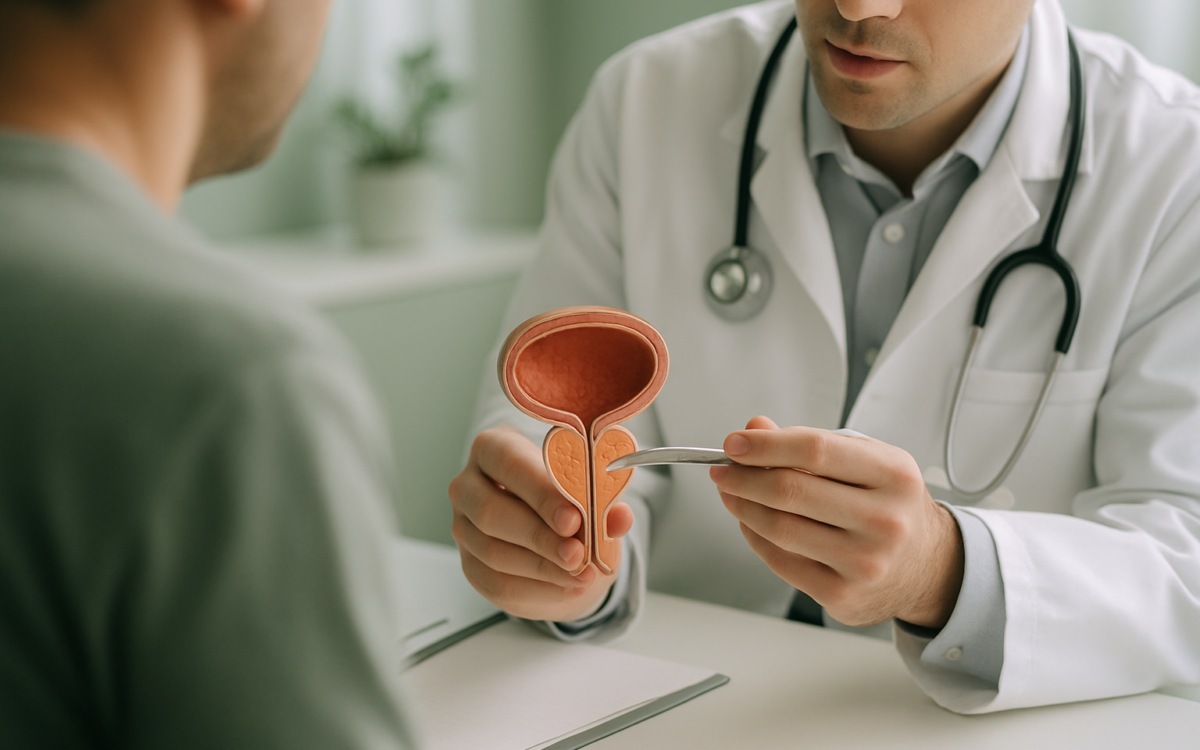
The prostate is a small gland located just below the bladder in men, playing a crucial role in reproductive and urinary health. Despite its size, the prostate is vital, influencing various functions in the male body. Understanding prostate function can help men maintain their health and recognize potential issues that may arise over time.
The Role of the Prostate
The primary function of the prostate is to produce a fluid that nourishes and transports sperm. This fluid makes up a significant portion of semen, which is essential for male fertility. Additionally, the prostate contributes to regulating urine flow, ensuring that both urinary and reproductive systems work effectively.
Components of Prostate Function
The prostate consists of several parts that work together to fulfill its functions:
- Prostatic Fluid: This fluid helps protect and energize sperm, ensuring they can navigate the female reproductive tract effectively.
- Muscular Tissue: The layers of muscle in the prostate help control the flow of urine by tightening or relaxing during urination.
- Hormonal Influence: Testosterone, produced by the testes, plays a significant role in the health and function of the prostate. Proper testosterone levels are essential for maintaining the gland’s size and function.
Common Prostate Issues
As men age, they may experience several prostate-related health issues:
Benign Prostatic Hyperplasia (BPH)
BPH is a non-cancerous enlargement of the prostate that typically occurs in older men. It can lead to uncomfortable urinary symptoms, such as frequent urination, difficulty starting urination, or a weak urine stream.
Prostatitis
Prostatitis is the inflammation of the prostate, often causing pain and discomfort. Symptoms can include pelvic pain, painful urination, and even flu-like symptoms. It can be caused by a bacterial infection or may result from other factors.
Prostate Cancer
Prostate cancer is one of the most common cancers among men. Early detection through screening can lead to more effective treatment options. Symptoms may include difficulty urinating, blood in urine, and unexplained weight loss.
Factors Affecting Prostate Health
Several factors can influence prostate health, including:
- Age: Risk of prostate issues increases with age, especially after age 50.
- Family History: Genetics can play a role, with those having a family history of prostate problems being at higher risk.
- Lifestyle: Diet, exercise, and smoking can impact prostate health. A balanced diet rich in fruits and vegetables may help protect against prostate issues.
Maintaining Prostate Health
Several practices can help promote a healthy prostate:
- Regular Check-ups: Regular check-ups with a healthcare provider can catch potential issues early. Discussing prostate health and screening options is essential, especially as men reach middle age.
- Healthy Diet: Eating a diet low in fats and high in fruits, vegetables, and whole grains can benefit prostate health.
- Exercise: Physical activity has numerous health benefits, including promoting hormone regulation and reducing the risk of prostate issues.
When to See a Doctor
If you experience symptoms like difficulty urinating, blood in your urine, or persistent pelvic pain, it’s important to consult with a healthcare provider. Early intervention can lead to better outcomes. Regular prostate screenings may also be recommended based on age and family history.
The prostate plays a pivotal role in men’s health, influencing both urinary function and reproductive capability. By understanding its functions and potential problems, men can take proactive steps towards maintaining their prostate health.
For further information on prostate health, you can refer to reputable sources such as the Mayo Clinic, National Institutes of Health, and the World Health Organization.
