
Having a bright, white smile can boost your confidence and enhance your overall appearance. Teeth whitening is a popular cosmetic treatment aimed at lightening the natural color of your teeth and removing stains. If you’re considering ways to achieve a dazzling grin, you’ve come to the right place. Let’s explore the best and most effective methods of teeth whitening available today.
Understanding Teeth Discoloration
Before diving into the best ways to whiten your teeth, it’s essential to understand why teeth become discolored in the first place. Factors contributing to this can include:
- Diet: Consuming staining foods and beverages, such as coffee, tea, red wine, and certain fruits can dull your smile.
- Tobacco Use: Smoking or chewing tobacco products leads to significant yellowing.
- Age: As we age, the enamel on our teeth wears down, revealing the yellowish dentin beneath.
- Medications: Some antibiotics and medications can cause discoloration, especially in children.
By identifying the cause of discoloration, you can better select the most suitable whitening option for your needs.
Over-the-Counter Whitening Products
One of the easiest and most accessible ways to whiten teeth is through over-the-counter products. These include:
- Whitening Toothpaste: These typically contain mild abrasives that can help remove surface stains. Look for products approved by dental associations for safe use.
- Whitening Strips: Thin strips coated with a peroxide-based gel can be applied directly to your teeth. They are often effective and user-friendly.
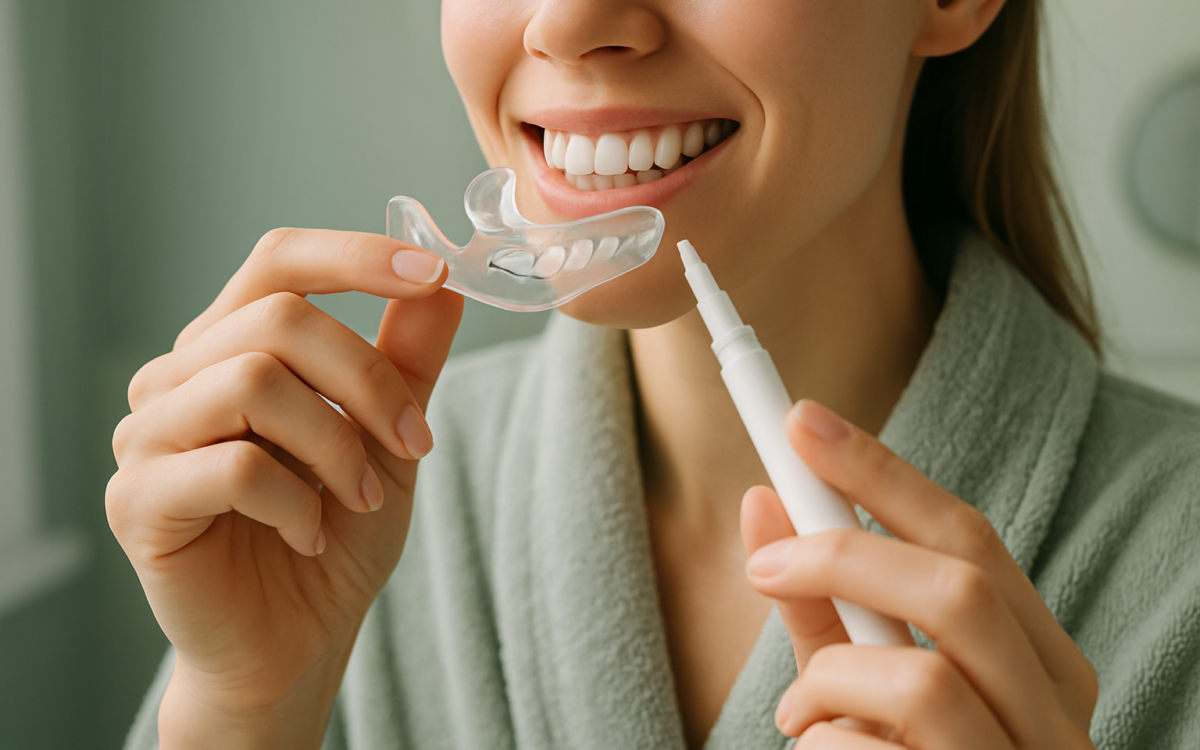
- Whitening Gel and Trays: These involve applying a gel with a customized tray that fits over your teeth. Results can vary, but with consistent use, they can yield good outcomes.
While these products are generally safe, they may not be as effective for deep stains or for people with sensitive teeth.
Professional Whitening Treatments
If you’re looking for more substantial results, professional whitening treatments offered by dentists are an excellent choice. These methods generally provide faster and more pronounced effects than over-the-counter options. Common professional methods include:
- In-Office Whitening: This involves applying a concentrated bleaching agent to your teeth in a clinical setting under the supervision of a dental professional. It’s usually done in one session and can lighten your teeth several shades.
- Take-Home Kits: Dentists can provide custom-made whitening trays and professional-grade whitening gel for use at home. These kits often yield better results than store-bought options while being more effective in delivering consistent results.
Before proceeding with any professional treatments, it’s essential to consult your dentist to determine the most suitable approach for your dental health.
Natural Teeth Whitening Remedies
For those who prefer a more natural approach, various home remedies may help lighten teeth. However, it’s vital to keep in mind that results can vary, and some methods may not be scientifically supported. Here are a few popular options:
- Baking Soda and Hydrogen Peroxide: A paste made from these two ingredients can act as a mild abrasive and has bleaching properties. However, use it sparingly to avoid damaging enamel.
- Activated Charcoal: Some people believe that activated charcoal can absorb stains and toxins. Use caution, as excessive abrasive use can lead to enamel wear.
- Oil Pulling: Swishing coconut oil around your mouth is thought to help remove toxins and reduce stain accumulation, although scientific research on its effectiveness is limited.
While these remedies are often suggested, it’s essential to consult a dentist before trying new methods, especially if you have sensitive teeth or dental issues.
International Perspectives on Teeth Whitening
Teeth whitening is a global phenomenon, with various practices and products available worldwide. In countries like Turkey, where dental tourism is on the rise, clinics like Acibadem International offer competitive whitening services that attract tourists seeking affordable and effective dental treatments. If you’re considering traveling abroad for dental work, ensure that the facility is reputable and follows safety standards.
Dental Hygiene Practices for Maintenance
After undergoing teeth whitening, maintaining good oral hygiene is crucial for preserving your bright smile. Consider these practices:
- Brush Regularly: Brush your teeth at least twice a day with fluoride toothpaste to prevent new stains.
- Floss Daily: Flossing removes plaque and food particles from between your teeth, which helps prevent discoloration.
- Limit Stain-Causing Foods: While it’s okay to indulge occasionally, try to limit your intake of foods and drinks that may stain your teeth.
- Regular Dental Check-Ups: Visiting your dentist every six months can help identify stains early and keep your dental health in check.
By incorporating these practices, you can help maintain your newfound brightness and promote overall dental health.
When to See a Doctor
If you’re experiencing significant tooth sensitivity, gum irritation, or if you’re unsure about the best teeth whitening method for your situation, it’s important to consult your dentist. They can provide professional guidance tailored to your needs and help you achieve a safe and effective whitening experience.
In conclusion, whitening your teeth can significantly enhance your confidence and smile. By understanding your options, whether they are over-the-counter products, professional treatments, or natural remedies, you can find the best approach for your unique dental needs. Remember to prioritize dental hygiene, and don’t hesitate to consult your dentist for personalized advice.
