
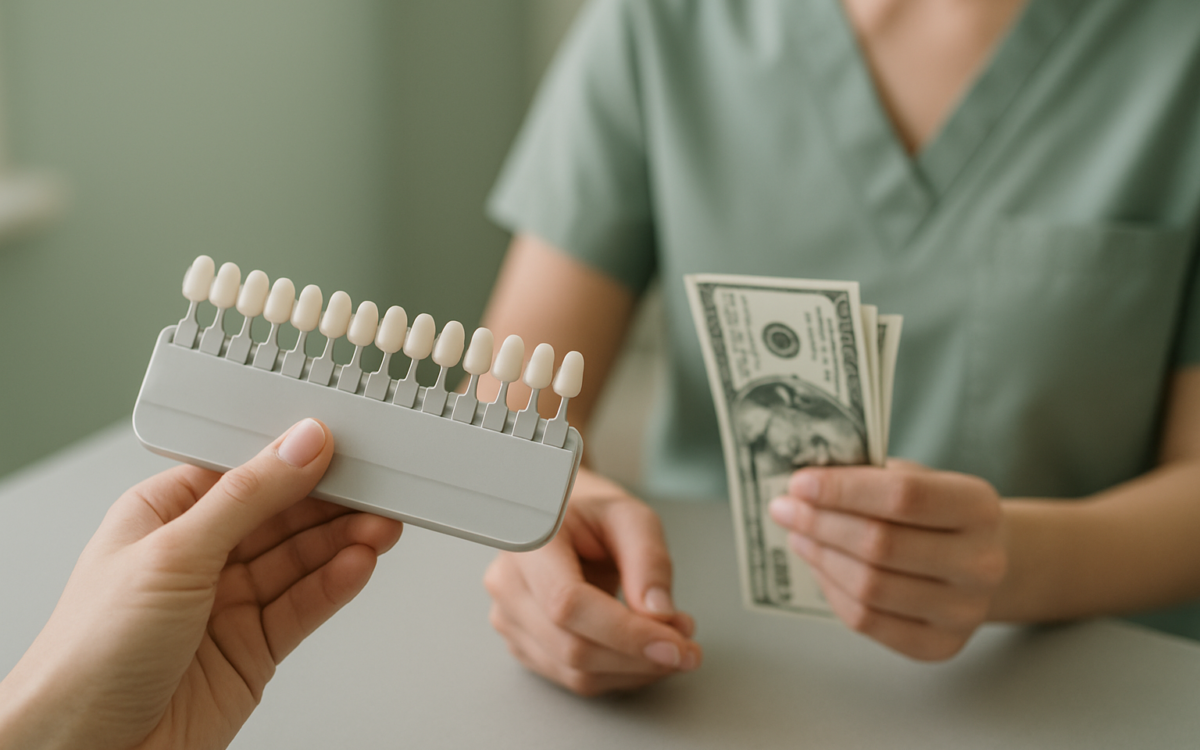
For many people, a bright, white smile is a key component of their self-confidence. Teeth bleaching has become an increasingly popular method for achieving that dazzling smile. However, before diving into this cosmetic procedure, understanding the cost factors associated with it is essential. In this article, we’ll unravel the various elements that influence the price of teeth bleaching and what you can expect from the treatment itself.
Types of Teeth Bleaching
Teeth bleaching can generally be categorized into two main types: professional and at-home treatments. Each comes with its own price range and effectiveness.
Professional Teeth Bleaching
Professional teeth whitening is often performed in a dental office and supervised by a dentist. This option generally yields the fastest and most noticeable results. The price for professional teeth bleaching can vary significantly based on factors such as location, dental practice, and the specific whitening system used. On average, here’s what you might expect:
- In-office bleaching: $500 to $1,000
- Take-home kits provided by dentists: $300 to $600
In-office sessions often use stronger bleaching agents, typically hydrogen peroxide, which can lead to immediate results. According to the Mayo Clinic, professional results often last longer than at-home treatments.
At-Home Teeth Bleaching
At-home whitening kits are available over-the-counter and often include strips, gels, or trays. These options are generally more affordable compared to professional treatments, making them an attractive choice for many. The price for over-the-counter options can range from:
- Whitening strips: $20 to $60
- Whitening trays: $30 to $100
While at-home products can be effective, results may take longer to achieve, and individuals may need to use them consistently over time to notice significant improvements. It’s also crucial to choose reputable brands to ensure safety and efficacy.
Factors Influencing Cost
1. Location
The geographical area where you receive treatment can greatly impact the price of teeth bleaching. Urban centers may have higher dental costs due to factors like operating costs and demand for cosmetic procedures. In contrast, rural areas may offer more competitive prices.
2. Dentist’s Expertise
A well-established dentist with extensive experience in cosmetic procedures may charge more for their services. However, choosing a qualified professional is essential for safety and best results. When you invest in a skilled dentist, you may end up saving money in the long run by avoiding complications or ineffective treatments.
3. Type of Bleaching Agent Used
The active ingredients in the whitening solution can also affect the price. Products with higher concentrations of bleaching agents tend to be more effective but can also come at a higher cost. Dentists may use specialized formulas that are not available over the counter, further increasing the price.
4. Treatment Duration and Maintenance
Some whitening treatments require multiple sessions, which can add to the total cost. Additionally, the longevity of results can influence overall expenses. Regular touch-ups or maintenance sessions may be recommended, and these can vary in price.
Insurance Coverage and Financing Options
Cosmetic dental procedures, including teeth bleaching, are often not covered by dental insurance. However, some dental offices may offer financing options or payment plans to make treatments more accessible. It’s worth inquiring about these options if you’re concerned about upfront costs.
If you’re considering teeth bleaching, clarity on pricing and payment plans can make a significant difference in your decision-making process.
Choosing the Right Option for You
Determining whether to pursue professional or at-home teeth bleaching will depend on your budget, timeline, and desired results. If you are looking for immediate and dramatic results, professional treatments might be the better choice. On the other hand, if you have a limited budget but still want to improve your smile, at-home kits can be effective.
No matter what option you choose, it’s advisable to consult with a dentist beforehand. They can assess your dental health and help you decide the best course of action for your specific needs. They can also guide you through the possible side effects and safety measures associated with teeth whitening products.
When to See a Doctor
If you experience any discomfort, prolonged sensitivity, or other unusual symptoms during or after your teeth whitening treatment, it’s essential to consult your dentist. They can help address any concerns and ensure that your dental health remains intact.
Conclusion
Teeth bleaching is an investment in your smile and self-confidence. Understanding the pricing structure and factors that influence the cost can empower you to make informed decisions. Whether you opt for professional treatment or a do-it-yourself kit, a brighter smile can be within your reach!
