
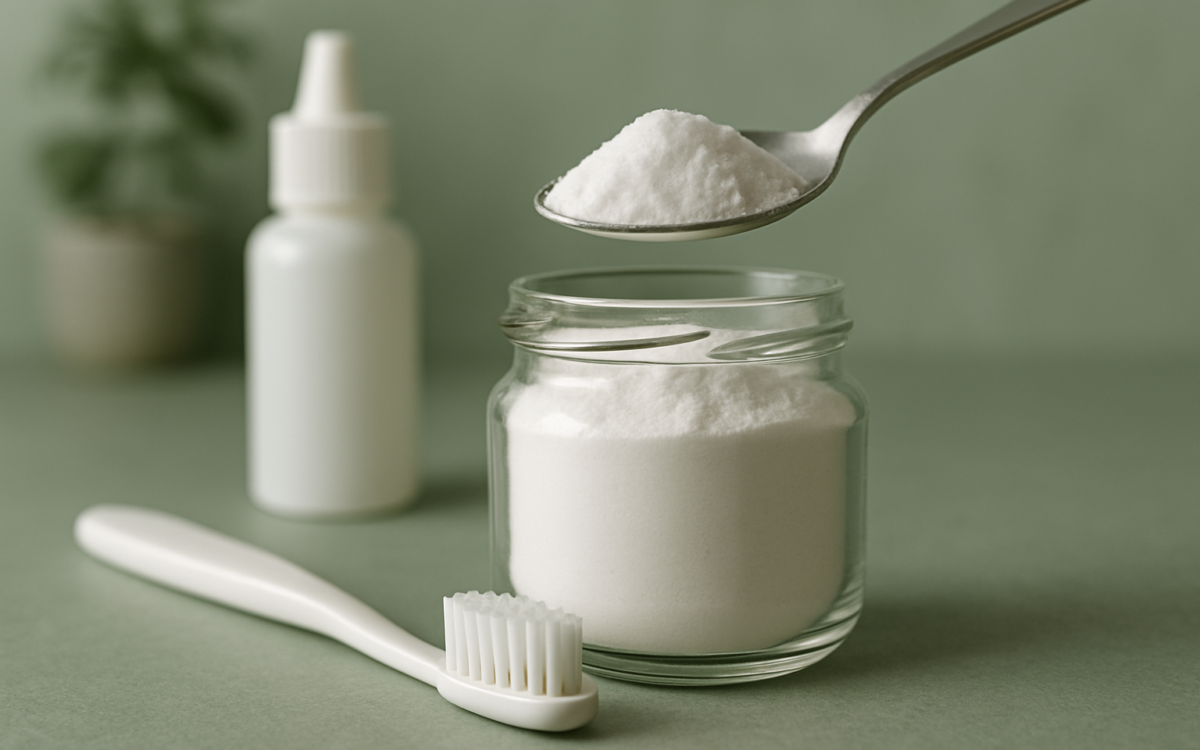
Baking soda, or sodium bicarbonate, has gained popularity as a natural solution for whitening teeth. Many people are curious about its effectiveness and safety as a dental treatment. In this article, we will explore how baking soda can whiten teeth, the scientific backing, potential risks, and safer alternatives for maintaining a dazzling smile.
What Is Baking Soda?
Baking soda is a white, crystalline powder commonly found in kitchens. It’s widely used as a leavening agent in baking, but its mild abrasive properties and alkaline nature also make it a popular choice in personal care products.
Does Baking Soda Whiten Teeth?
Yes, baking soda can help whiten teeth to some extent. The abrasive action of baking soda can remove surface stains caused by foods and drinks, such as coffee, tea, and berries. A study published in the Journal of Clinical Dentistry found that toothpaste containing baking soda was more effective at removing plaque and whitening teeth compared to regular toothpaste.
How to Use Baking Soda for Teeth Whitening
If you’re interested in trying baking soda for teeth whitening, here are a few methods:
- Baking Soda Paste: Mix a small amount of baking soda with water to create a thick paste. Apply this paste to your toothbrush and brush your teeth gently. Rinse thoroughly after.
- Baking Soda and Lemon Juice: Combine baking soda with a few drops of lemon juice for a stronger effect. Be cautious, as the acidity of lemon juice can erode tooth enamel if used too frequently.
- Baking Soda Toothpaste: Look for toothpaste brands that list baking soda as an ingredient. These commercially prepared products usually have a balanced pH and are designed for safe use.
Potential Risks of Using Baking Soda
While baking soda can be beneficial for teeth whitening, there are some risks to consider:
- Tooth Enamel Erosion: The abrasive nature of baking soda can wear down tooth enamel, making teeth more sensitive and more susceptible to cavities over time. It’s crucial to avoid overuse and to practice gentle brushing techniques.
- Gum Irritation: If not used carefully, baking soda can irritate your gums, especially if you have existing gum issues. Always rinse well after use to minimize this risk.
- Temporary Results: While baking soda may produce immediate whitening effects, these results may not last long. Regular dental cleanings and proper oral hygiene are essential for maintaining a bright smile.
Alternatives to Baking Soda for Teeth Whitening
If you’re looking for safer, proven methods for whitening your teeth, consider the following alternatives:
- Whitening Toothpaste: Many commercial whitening toothpastes contain safe whitening agents, such as hydrogen peroxide, that can help lighten stains.
- Professional Whitening Treatments: Your dentist can offer professional whitening services that are safe and effective, using stronger agents in a controlled environment.
- Whitening Strips or Trays: Over-the-counter whitening strips and trays are convenient options that provide noticeable results when used as directed.
Best Practices for Maintaining White Teeth
To keep your teeth white and healthy, consider adopting these best practices:
- Regular Brushing: Brush your teeth at least twice a day with fluoride toothpaste to remove plaque and prevent stains.
- Flossing: Daily flossing helps eliminate food particles and plaque from between teeth, preventing discoloration.
- Limit Stain-Causing Foods: Reduce consumption of coffee, red wine, and dark-colored foods that can stain teeth.
- Stay Hydrated: Drinking plenty of water throughout the day can help wash away food particles and maintain a healthy mouth.
When to See a Dentist
If you have persistent stains, tooth sensitivity, or other dental concerns, it’s important to consult your dentist. They can recommend effective whitening methods tailored to your needs and ensure your oral health is intact. Regular dental check-ups should also be part of your oral hygiene routine for optimal dental health.
In conclusion, while baking soda can effectively whiten teeth due to its mild abrasive properties, it also comes with risks, particularly if used improperly. Always practice moderation and consider safer alternatives if you’re unsure. Maintaining good oral hygiene and seeking professional advice is the best way to achieve a brighter, healthier smile.
