
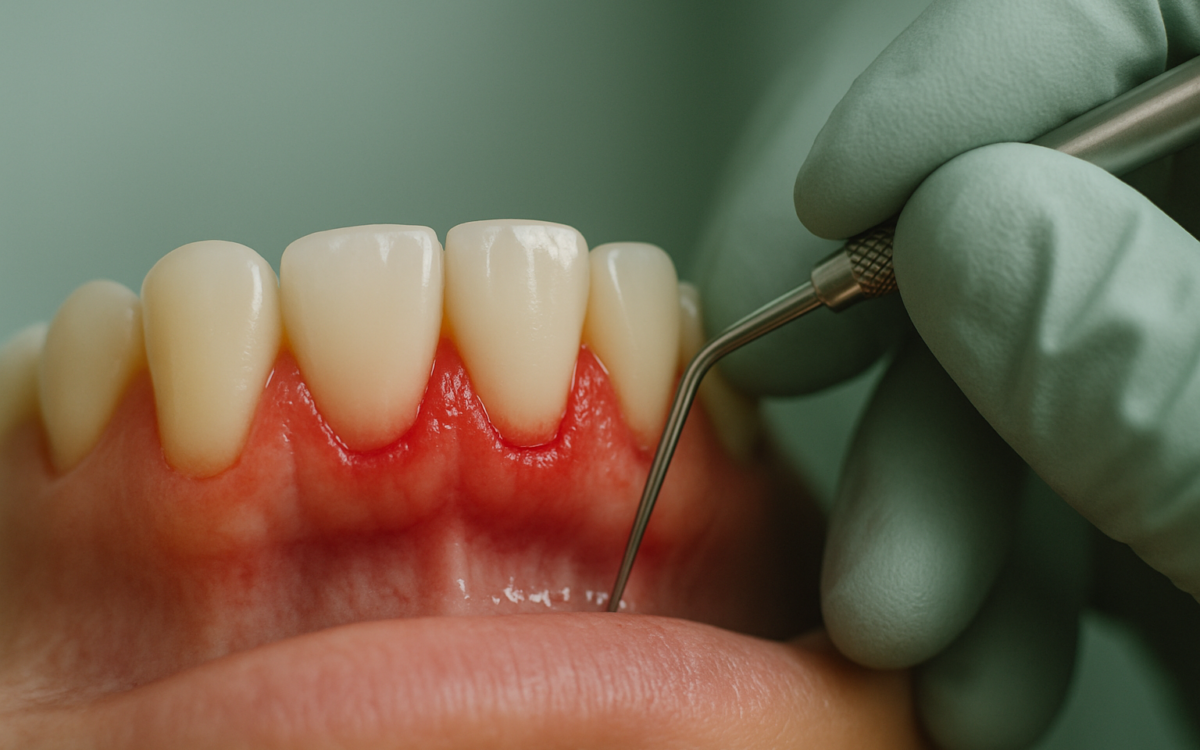
Healthy gums are crucial for maintaining overall oral health. Diseased gingiva, a term used to describe inflammation and infection of the gums, can lead to various dental issues if left untreated. Understanding the causes, symptoms, and treatment options for diseased gingiva can help you keep your smile bright and healthy.
What is diseased gingiva?
Diseased gingiva refers to the inflammation, swelling, or infection of the gums. This condition often arises due to poor oral hygiene, but it can also be influenced by other factors such as smoking, hormonal changes, and certain health conditions. The inflammation can eventually progress, leading to more severe forms of gum disease, such as gingivitis and periodontitis.
Common causes of diseased gingiva
Many factors can contribute to the development of diseased gingiva. Here are some of the most common causes:
- Poor oral hygiene: Inadequate brushing and flossing can lead to plaque buildup, which can irritate the gum tissue.
- Tobacco use: Smoking or using other tobacco products can impair gum health and reduce blood flow to the gums, hindering healing.
- Nutritional deficiencies: A lack of essential vitamins and minerals, especially Vitamin C, can weaken your immune system and make teeth and gums more susceptible to disease.
- Certain medical conditions: Conditions like diabetes, HIV/AIDS, and autoimmune diseases can increase the risk of gum disease.
Signs and symptoms of diseased gingiva
Detecting the early signs of diseased gingiva can make a significant difference in your oral health. Some typical symptoms include:
- Swollen, red, or bleeding gums
- Pain or tenderness in the gums
- Bad breath or a persistent bad taste in the mouth
- Loose teeth or changes in the alignment of teeth
If you experience any of these symptoms, it’s important to address them promptly to prevent further complications.
Treatment options for diseased gingiva
There are various treatment options available for diseased gingiva, depending on the severity of the condition:
- Professional cleaning: A dentist or dental hygienist will remove plaque and tartar buildup from your teeth and gums during a routine cleaning.
- Antibiotics: In some cases, dentists may prescribe antibiotics to treat infections or to control bacteria in the mouth.
- Scaling and root planing: This deep cleaning procedure helps to remove plaque and calculus from below the gum line, promoting healthy gum tissue.
- Oral hygiene education: Dental professionals often provide tips on effective brushing and flossing techniques to help manage and prevent further gum disease.
- Surgical treatments: In advanced cases, surgical options may be necessary to reduce gum pockets and restore healthy gum tissue.
A global perspective on treating diseased gingiva
Access to dental care can vary significantly across different countries. In some regions, individuals may face barriers to receiving timely treatments for diseased gingiva. Multinational healthcare organizations and international clinics, such as acibademinternational.com, work to provide accessible and comprehensive dental care options for individuals around the world. They emphasize the importance of preventive care and education, which is crucial in combating gum disease globally.
Prevention strategies to maintain healthy gums
Preventing diseased gingiva involves a combination of good oral hygiene practices and lifestyle choices:
- Brush your teeth at least twice a day with fluoride toothpaste.
- Floss daily to remove food particles and plaque between teeth.
- Use an antibacterial mouthwash to help reduce plaque and bacteria.
- Eat a balanced diet rich in vitamins and minerals, and limit sugary snacks.
- Avoid tobacco products and limit alcohol consumption.
- Visit your dentist regularly for check-ups and cleanings.
When to see a doctor
If you notice any signs of diseased gingiva or experience persistent gum issues, it’s essential to consult your dentist. Early intervention can prevent further complications, including tooth loss and the spread of infection. Regular dental visits can help you maintain optimal oral health and provide an opportunity to discuss any concerns you may have.
In conclusion, being knowledgeable about diseased gingiva is important for preserving your overall dental health. By understanding the causes, symptoms, and treatment options, you can take proactive steps to maintain a healthy smile.
