
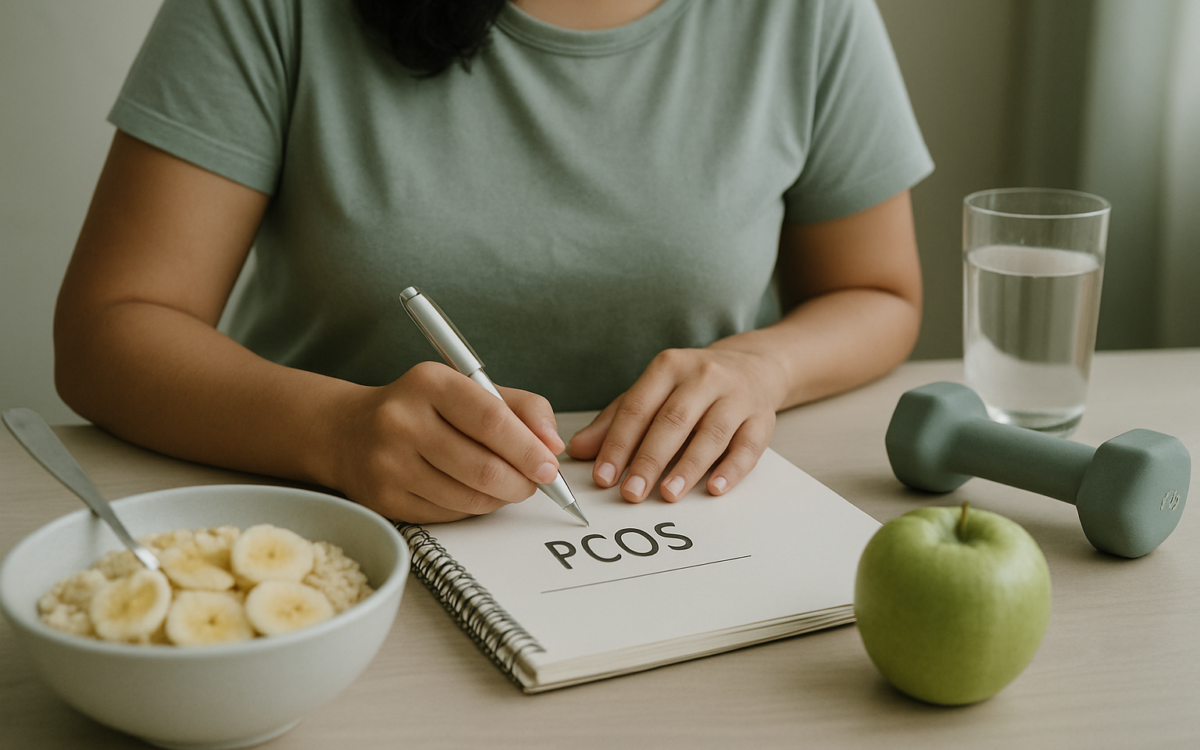
Polycystic Ovary Syndrome (PCOS) is a common hormonal disorder that affects many women of reproductive age. It can lead to a range of symptoms, including irregular periods, weight gain, and fertility issues. Although living with PCOS can feel overwhelming, making certain lifestyle changes can significantly improve symptoms and overall health. Here’s how you can take charge of your wellbeing.
Understanding PCOS
Before we dive into lifestyle changes, it’s important to understand what PCOS is. This condition is characterized by hormonal imbalance and metabolism issues, which can affect how the ovaries function. Women with PCOS may have elevated levels of insulin, which can contribute to symptoms like weight gain and difficulty losing weight.
Nutrition: Eating for Hormonal Balance
Diet plays a crucial role in managing PCOS. Here are some dietary changes that can help:
- Focus on whole foods: Incorporate plenty of fruits, vegetables, whole grains, and lean proteins into your diet. These foods are not only nourishing but can also help regulate blood sugar levels.
- Reduce refined carbohydrates: Foods like white bread, pastries, and sugary snacks can cause spikes in insulin levels. Instead, opt for complex carbohydrates such as quinoa, brown rice, and legumes.
- Healthy fats are your friends: Incorporating sources of healthy fats, like avocados, nuts, and olive oil, can reduce inflammation and promote heart health.
- Stay hydrated: Drink plenty of water throughout the day. Staying hydrated is important for optimizing metabolic functions.
For more information on nutrition and PCOS, consider visiting the National Institutes of Health (NIH).
Incorporating Exercise: Find What You Love
Physical activity can help manage symptoms of PCOS and improve overall health. Regular exercise can lead to weight loss, enhanced mood, and improved insulin sensitivity. Here are some exercise tips:
- Aim for at least 150 minutes of moderate-intensity exercise weekly: This could include activities like walking, cycling, or swimming.
- Include strength training: Building muscle helps increase metabolism and can be particularly beneficial for managing weight.
- Find activities you enjoy: Whether it’s dancing, yoga, or a team sport, staying active is easier when you’re having fun!
The World Health Organization (WHO) suggests integrating physical activity into your daily routine for better health outcomes.
Managing Stress: Mental Wellbeing Matters
Stress can exacerbate PCOS symptoms and create a cycle of tension and hormonal imbalance. Here are some ways to manage stress:
- Practice mindfulness and meditation: These techniques can help lower stress levels and improve hormonal balance.
- Consider therapy: Speaking with a mental health professional can provide valuable support.
- Engage in relaxation exercises: Activities like deep-breathing, yoga, or tai chi can significantly reduce stress.
Don’t hesitate to seek out mental health resources if you’re feeling overwhelmed.
Sleep: The Unsung Hero
Getting adequate sleep is crucial for hormonal balance and overall health. Poor sleep can worsen insulin resistance and lead to weight gain.
- Establish a sleep routine: Aim for 7-9 hours of quality sleep each night by going to bed and waking up at the same time daily.
- Create a restful environment: Eliminate distractions, keep the bedroom dark, and maintain a comfortable temperature.
- Limit blue light exposure: Avoid screens at least an hour before bedtime to promote better sleep quality.
For more tips on improving sleep, the Mayo Clinic provides useful guidelines.
When to See a Doctor
While lifestyle changes can have a significant impact on managing PCOS, it’s essential to consult with a healthcare provider if you experience severe symptoms. If you’re struggling with weight gain, irregular periods, or fertility issues, seek professional guidance to explore treatment options tailored to your needs.
Managing PCOS is a journey that varies for each individual. By embracing healthy lifestyle changes, you can take control of your wellbeing and navigate this condition with confidence. Remember, the first step towards better health starts with you!
