
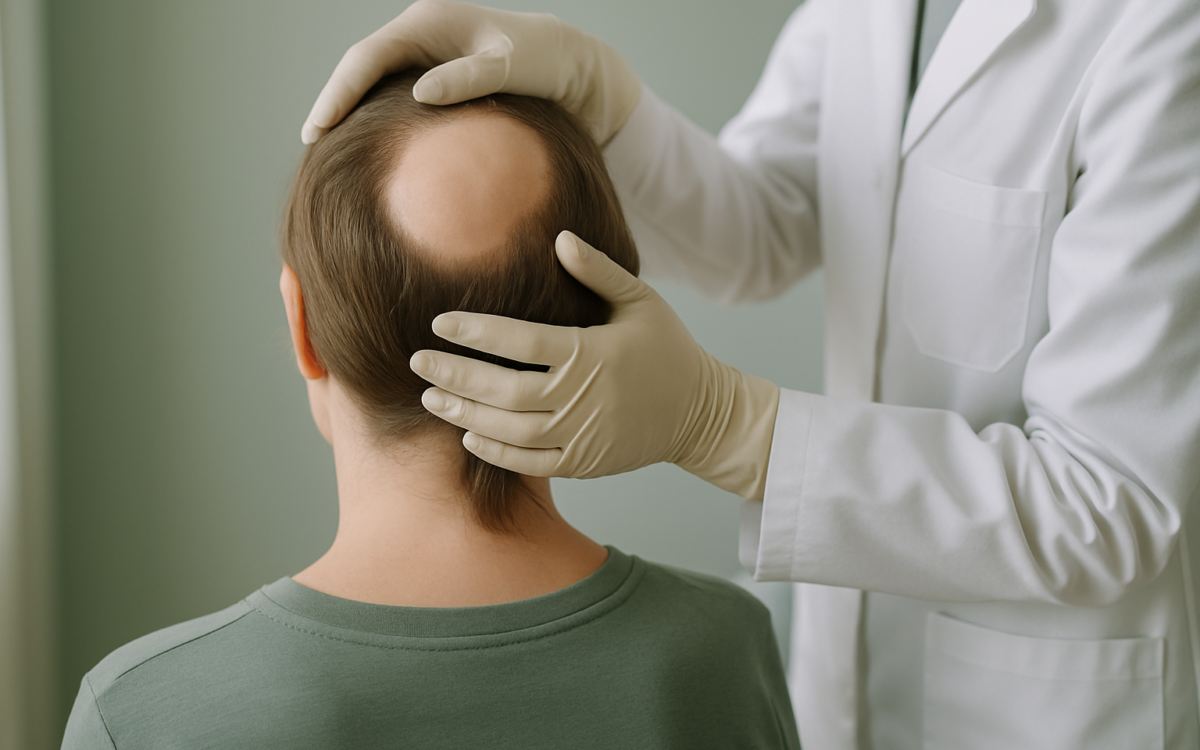
Alopecia is a term that refers to hair loss, but it encompasses a variety of conditions and causes. While many people think of hair loss as a straightforward issue, the reality is more complex. Alopecia can affect anyone, regardless of age or gender, and can have significant psychological and emotional impacts. In this article, we will delve into the definition of alopecia, explore its different types, examine possible causes, discuss treatment options, and highlight when it’s essential to consult a healthcare provider.
What Is Alopecia?
Alopecia is derived from the Greek word ‘alopex,’ meaning fox. Historically, it described the loss of hair due to a disease that affected these animals. Today, the term is used in medical contexts to describe various conditions that lead to hair loss. According to the National Institutes of Health, alopecia includes several types that range from temporary hair loss to chronic conditions where hair fails to regrow.
Types of Alopecia
Alopecia is not a one-size-fits-all condition. There are several types, each with distinct characteristics:
- Alopecia Areata: This autoimmune condition causes sudden hair loss in small patches on the scalp, face, or other body areas. It can affect individuals of any age and often occurs in those with a family history of this condition.
- Androgenetic Alopecia: Also known as male or female pattern baldness, this type is hereditary and is characterized by a gradual thinning of hair. It typically follows a specific pattern, often starting at the temples or crown.
- Alopecia Totalis: This is a more severe form of alopecia areata where all hair on the scalp is lost. It can sometimes progress to alopecia universalis, where hair loss occurs on the entire body.
- Cicatricial Alopecia: This rare form results from inflammation that destroys hair follicles and replaces them with scar tissue, often leading to permanent hair loss.
Causes of Alopecia
The causes of alopecia are varied and can be multifactorial. Understanding these triggers can help in managing the condition effectively:
- Genetics: A family history of hair loss is a significant factor, especially in androgenetic alopecia.
- Autoimmune Response: Conditions like alopecia areata occur when the immune system mistakenly attacks hair follicles.
- Hormonal Changes: Changes due to pregnancy, menopause, or hormonal imbalances can lead to hair loss.
- Medical Conditions: Issues such as thyroid disorders, iron deficiency, and certain skin disorders can contribute to alopecia.
- Stress: While stress doesn’t cause alopecia outright, it can exacerbate underlying conditions and lead to hair loss.
- Medications: Some treatments, including chemotherapy or drugs for arthritis, can result in hair loss as a side effect.
Treatment Options for Alopecia
While there is no one-size-fits-all treatment for alopecia, several options may help manage or mitigate hair loss:
- Topical Treatments: Minoxidil (Rogaine) is an over-the-counter topical solution that can stimulate hair regrowth, especially in androgenetic alopecia.
- Corticosteroids: These are effective in treating alopecia areata by reducing inflammation. They can be administered as injections or topical treatments.
- Immunotherapy: This involves applying a chemical solution to the scalp, provoking an allergic rash that may stimulate hair regrowth.
- Hair Transplants: For those with severe hair loss, surgical options, such as hair transplants, can provide a more permanent solution.
- Wigs and Hairpieces: For individuals uncomfortable with hair loss, wigs can offer a cosmetic solution and boost self-esteem.
Psychological Impact of Alopecia
Alopecia can significantly affect an individual’s emotional well-being. The visibility of hair loss can lead to feelings of embarrassment, low self-esteem, and anxiety. The psychological burden varies among individuals, and some may require counseling or support groups to cope with the emotional aspects of their condition. Providing education about alopecia and connecting those affected to support resources can be vital in promoting mental health.
When to See a Doctor
If you notice sudden hair loss, or if hair thinning is accompanied by other symptoms such as scaling, redness, or pain, it may be time to consult a healthcare professional. They can help identify the type of alopecia and recommend appropriate treatment options. Early diagnosis can lead to better management and improved outcomes. Additionally, if you’re feeling overwhelmed by the emotional impact of hair loss, consider speaking with a mental health professional who can provide support.
Conclusion
Alopecia, while often associated with negative perceptions of self-image, is a complex health issue with various types and causes. Understanding the different forms of this condition and the treatment options available can empower individuals facing hair loss. Remember that it’s important to seek advice from a healthcare provider to navigate this journey effectively. With the right support and information, managing alopecia becomes a more approachable challenge.
