
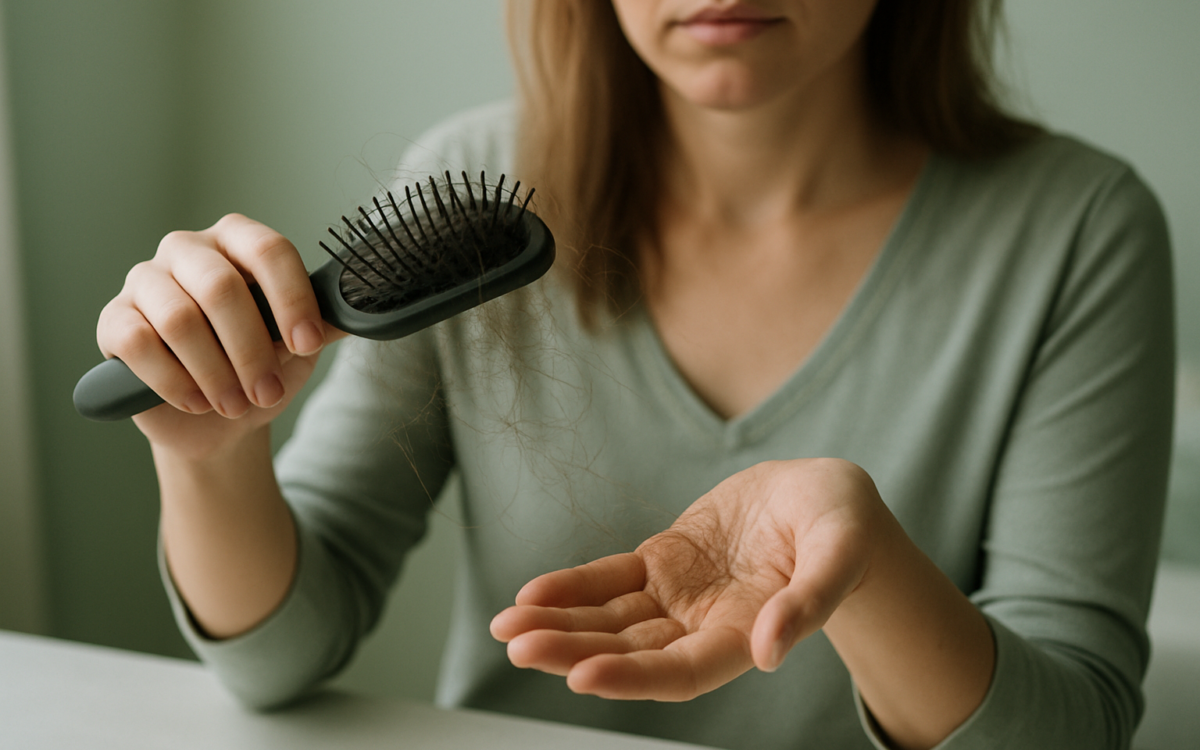
Hair fall and hair loss can feel like a personal crisis for many people. Whether you’re finding more hair in your brush or noticing thinning patches on your scalp, it can be alarming. Understanding the reasons behind hair loss and knowing your options for managing it can help ease concerns and empower you to make informed choices.
What Causes Hair Fall and Loss?
Hair fall can occur for a variety of reasons. Some are temporary, while others might be more chronic. Here are some common factors that contribute to hair loss:
- Genetics: The most prevalent cause of hair loss is hereditary. Male and female pattern baldness can run in families and often becomes noticeable with age.
- Hormonal Changes: Hormonal shifts due to puberty, pregnancy, menopause, or thyroid issues can lead to hair loss. Hormonal imbalance affects how hair follicles grow and shed.
- Medical Conditions: Certain health issues like alopecia areata, scalp infections, or autoimmune diseases can trigger hair fall. Stress and nutritional deficiencies are other contributing factors.
- Medications and Treatments: Some drugs, like those used for cancer, arthritis, depression, and heart conditions, can cause hair loss as a side effect. It’s essential to talk with your healthcare provider if you suspect medication is affecting your hair.
- Physical Stress: Major life events such as surgery, trauma, or severe illness can lead to temporary hair loss. This phenomenon is known as telogen effluvium.
- Nutrition: A lack of essential nutrients, particularly iron, vitamins (like Biotin and D), and proteins, can weaken your hair and lead to shedding.
Understanding the Types of Hair Loss
Not all hair loss is the same; identifying the type can help in choosing the right approach for treatment. Here are some predominant types:
- Alopecia Areata: An autoimmune disorder that causes round patches of hair loss. This can progress to complete baldness.
- Androgenetic Alopecia: Also known as male or female pattern baldness, this is characterized by a gradual thinning of hair on the scalp.
- Telogen Effluvium: A temporary form of hair loss that occurs after stress, illness, or hormonal changes, usually leading to shedding several months after the event.
- Traction Alopecia: Caused by consistent pulling on the hair due to certain hairstyles like tight ponytails or braids.
Nutrition and Hair Health
Your diet plays a significant role in maintaining healthy hair. Eating a balanced diet rich in essential vitamins and minerals can support hair growth. Here are some nutrients to focus on:
- Protein: Hair is primarily made of protein. Incorporate lean meats, fish, beans, and legumes into your diet.
- Iron: A deficiency can lead to hair loss. Sources include red meat, spinach, lentils, and fortified cereals.
- Vitamins: Vitamins A, C, D, and E are crucial for healthy scalp and hair. Foods like carrots, citrus fruits, nuts, and green leafy vegetables are excellent sources.
- Omega-3 Fatty Acids: Found in fish like salmon and walnuts, these fats support scalp health.
Managing Stress for Healthier Hair
Stress is a well-known trigger for hair fall. Finding ways to manage stress effectively can help improve not only your mental well-being but also the health of your hair. Here are some stress management strategies:
- Exercise: Regular physical activity reduces stress and promotes good blood circulation, which can benefit hair follicles.
- Meditation: Mindfulness and meditation practices can help reduce anxiety and improve emotional health.
- Sleep: Ensure you are getting adequate sleep each night as it contributes significantly to overall health.
- Social Connections: Engaging with friends and family can provide emotional support and reduce feelings of stress.
Topical Treatments and Solutions
If you’re experiencing noticeable hair loss, multiple treatments are available. Depending on the cause of your hair loss, certain solutions may be more effective:
- Minoxidil: An over-the-counter topical solution that can stimulate hair growth and is more effective for androgenetic alopecia.
- Finasteride: A prescription medication for men that helps treat hereditary hair loss by inhibiting hormones that shrink hair follicles.
- Hair Transplant Surgery: This surgical option involves moving hair follicles from a denser area to the balding area. It’s essential to consult a specialist to evaluate if this is suitable for you.
- Laser Therapy: Low-level laser therapy is gaining popularity as a treatment option for hair growth.
When to See a Doctor
If you’re noticing excessive hair fall or worrying about your hair loss, it’s a good idea to consult a healthcare professional. They can help identify the cause of your hair loss and discuss treatment options with you. Seek medical advice if:
- You notice sudden or patchy hair loss.
- Your hair falls out along with other symptoms like itching or rashes.
- You have a family history of hair loss and are concerned about it.
Concluding Thoughts
Hair fall and loss can often feel disheartening, but understanding the underlying causes and exploring potential management strategies can empower you. From improving your nutritional intake to managing stress and seeking appropriate treatments, there are many pathways to explore. If you’re concerned, don’t hesitate to reach out to your doctor for tailored advice.
