
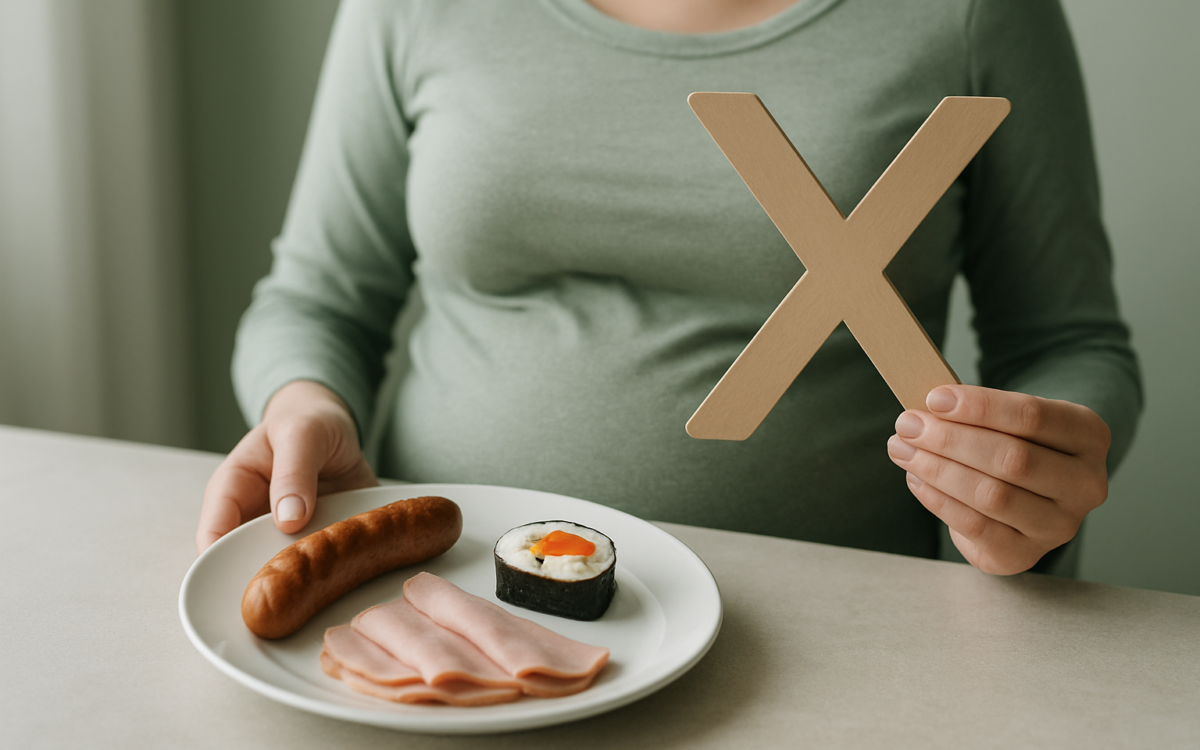
Pregnancy is a beautiful journey filled with excitement and anticipation, but it also comes with a responsibility to care for your health and that of your growing baby. Nutrition plays a crucial role in this process, and knowing what not to eat can help ensure a safer, healthier pregnancy. Here, we will explore various foods and substances that should generally be avoided during pregnancy, based on expert recommendations.
Raw or Undercooked Meat
Consuming raw or undercooked meat can expose you to bacteria and parasites that might harm both you and your baby. Pathogens such as Salmonella and Toxoplasma are of particular concern. These can lead to foodborne illnesses that cause serious complications during pregnancy.
Fish with High Mercury Levels
While fish can be an excellent source of protein and omega-3 fatty acids, some types contain high levels of mercury, which can adversely affect fetal development. Fish such as shark, swordfish, king mackerel, and tilefish should be avoided. More suitable options include salmon, shrimp, and catfish, which are lower in mercury. For more detailed guidelines, refer to the FDA recommendations.
Dairy Products Not Made from Pasteurized Milk
Unpasteurized dairy products can harbor harmful bacteria, such as Listeria, which poses a significant risk to pregnant women. Always choose dairy products that are labeled as pasteurized, such as yogurt and cheese, to ensure safety. Soft cheeses like Brie and feta made with unpasteurized milk should also be avoided.
Caffeinated Beverages
Moderation is key when it comes to caffeine during pregnancy. High caffeine consumption has been linked to risks such as low birth weight and preterm birth. It’s advisable to limit your intake to about 200 milligrams per day, roughly equivalent to one 12-ounce cup of brewed coffee. This includes beverages like soda and energy drinks. For more insights, check resources from the World Health Organization.
Processed Junk Foods
While it may be tempting to indulge in processed snacks, they often contain unhealthy trans fats, high levels of sugar, and a lack of essential nutrients. These foods can contribute to excessive weight gain and other complications during pregnancy. Instead, consider healthier snack options like fruits, nuts, or yogurt to provide necessary nutrients.
Alcohol
There is no known safe amount of alcohol consumption during pregnancy. Drinking alcohol can lead to fetal alcohol spectrum disorders (FASDs), which can cause serious developmental disabilities. It’s recommended to avoid alcohol entirely during pregnancy. For more on this topic, visit the CDC.
When to See a Doctor
If you have any questions or concerns about your diet during pregnancy, it’s important to consult your healthcare provider. They can offer personalized advice that considers your health history and nutritional needs.
In summary, maintaining a healthy diet during pregnancy requires being mindful of the foods you avoid. By steering clear of high-risk foods such as raw meats, unpasteurized dairy, high-mercury fish, and alcohol, you can foster a healthier environment for yourself and your baby. Always check with your healthcare provider to ensure your nutritional choices are safe.
