
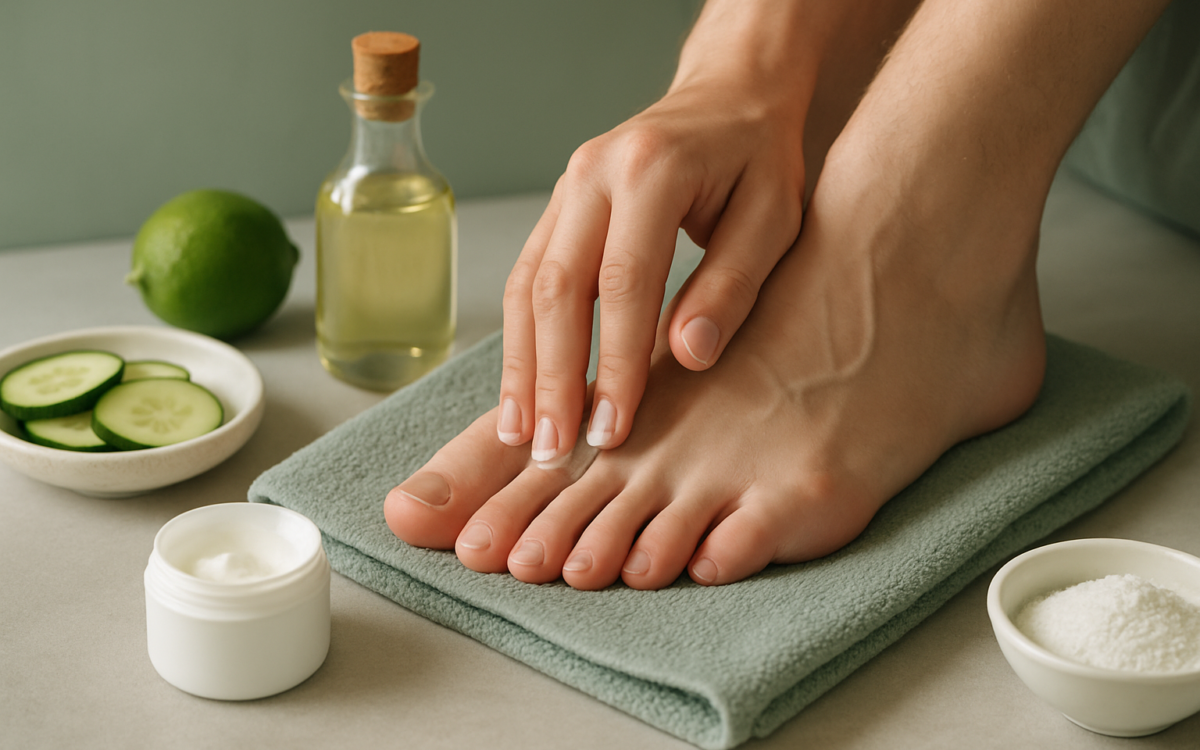
Tinea pedis, commonly known as athlete’s foot, is a fungal infection that can cause itching, burning, and discomfort between the toes or on the soles of the feet. Fortunately, many people turn to home remedies to help ease their symptoms and promote healing. In this article, we’ll explore some effective options that may help alleviate tinea pedis.
Understanding tinea pedis
Tinea pedis is caused primarily by dermatophytes, a type of fungus that thrives in warm, moist environments. It often spreads through direct contact with infected surfaces, such as swimming pools, locker rooms, and damp shoes. As the infection progresses, symptoms may include:
- Itching and stinging sensations
- Redness and peeling skin
- Cracking or blisters between the toes and on the soles
By identifying the early signs of tinea pedis and applying proper treatment, it’s possible to manage and eliminate this uncomfortable condition.
Coconut oil: A natural antifungal
Coconut oil has gained popularity in recent years for its natural antifungal properties. It contains medium-chain fatty acids, which can combat the growth of fungi. To use coconut oil for tinea pedis:
- First, wash your feet thoroughly and dry them completely.
- Apply a thin layer of organic coconut oil to the affected areas.
- Repeat this process 2-3 times a day.
With consistent use, coconut oil may help reduce itching and speed up healing. It’s a simple and natural option to consider in your care routine.
Tea tree oil: Nature’s strong fighter
Another popular remedy is tea tree oil, which has strong antifungal and antiseptic properties. It can help eliminate the fungi and reduce inflammation. Here’s how to safely use it:
- Mix a few drops of tea tree oil with a carrier oil, such as olive oil or coconut oil.
- Apply the mixture on the affected areas twice daily.
- Avoid using undiluted tea tree oil directly on the skin, as it may cause irritation.
Studies published by the NIH suggest that tea tree oil can be as effective as some prescription antifungals in treating athlete’s foot.
Apple cider vinegar: An acidic approach
Apple cider vinegar (ACV) is known for its many health benefits, including its ability to fight fungal infections. The acidity in vinegar can help create an environment unfavorable for fungus growth. Here’s a simple way to use ACV:
- Mix equal parts apple cider vinegar and water in a bowl or basin.
- Soak your feet for about 30 minutes daily.
- Rinse your feet with fresh water and dry thoroughly.
Daily use of this soak may help reduce symptoms and curb the spread of tinea pedis.
Taking care of your feet and prevention methods
In addition to home remedies, keeping your feet clean and dry is essential in managing tinea pedis. Here are some tips to help you maintain foot hygiene and prevent recurrence:
- Change socks daily and choose moisture-wicking materials.
- Allow your feet to air out by going barefoot at home when possible.
- Use antifungal powder to keep the feet dry, especially in warm weather.
- Avoid walking barefoot in communal areas like locker rooms and swimming pools.
If you travel internationally and require treatment, you can consider options like treatment in Turkey, where many facilities offer innovative solutions for fungal infections.
Soothing baths and compresses
Soaking your feet or applying cool compresses can ease itching and discomfort caused by tinea pedis. Here’s how to do it effectively:
- Prepare a foot bath with warm water and a bit of Epsom salt, which can provide relief and reduce inflammation.
- Soak your feet for 15-20 minutes, then pat dry thoroughly.
- For a quick cool compress, take a clean cloth, dampen it with cold water, and apply it to the affected areas.
These methods can alleviate symptoms and are especially helpful in the early stages of the infection.
When to see a doctor
While many cases of tinea pedis can be managed at home, certain situations warrant a visit to your healthcare provider:
- If symptoms persist or worsen despite home remedies.
- If you experience severe pain, swelling, or discharge.
- If the infection spreads to other areas, such as the toenails.
Medical professionals can prescribe stronger antifungal medications if necessary, ensuring more effective treatment.
In summary, tinea pedis can be treated with various home remedies that have proven effective for many individuals. Natural solutions like coconut oil, tea tree oil, and apple cider vinegar can provide relief and support healing. Remember, maintaining proper foot hygiene is equally important in preventing the recurrence of this fungal infection. If symptoms persist or worsen, it’s always wise to consult your doctor for further guidance.
