
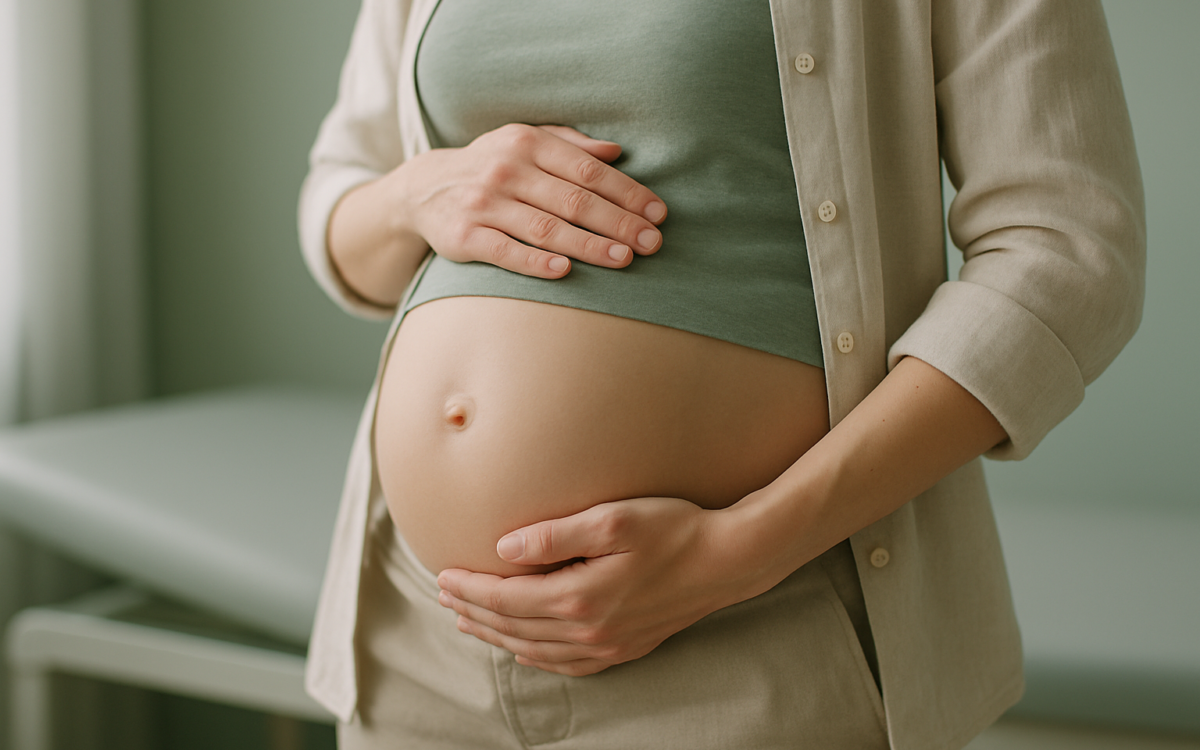
As you reach the three-month mark of pregnancy, your body is entering an exciting phase of transformation and growth. By this time, many women start to notice distinct changes in their belly, indicating the growing life within. Understanding what’s happening can help you embrace this special period with more confidence and knowledge.
What Happens to Your Belly at Three Months?
At three months pregnant (or during the first trimester), your body undergoes significant hormonal changes that play a vital role in maintaining the pregnancy. One of the most obvious changes is the growth of your belly.
During this time, the uterus expands from its normal size, about the size of a fist, to a much larger organ as it accommodates the developing fetus. This growth can lead to a noticeable, albeit subtle, bulge in your abdomen for some women. While the belly of every pregnant woman appears differently, the following are common experiences:
- Appearance of a Baby Bump: You may notice a little roundness starting to form in your lower abdomen. This can happen sooner in women who have been pregnant before.
- Weight Changes: Most women begin to gain a small amount of weight during this period, though it’s generally recommended to gain about 1 to 5 pounds in the first trimester, depending on your pre-pregnancy BMI.
- Skin Changes: Hormonal fluctuations can lead to changes in your skin, sometimes causing it to appear more vibrant or, conversely, leading to some discoloration. This is normal.
Discomforts and Symptoms
Along with physical changes, many women experience various symptoms as their bodies adjust to pregnancy. Common discomforts include:
- Nausea and Vomiting: Often called morning sickness, many women experience nausea that can strike at any time of the day.
- Gas and Bloating: Hormones can relax the digestive system, leading to increased gas and bloating.
- Fatigue: As your body works hard to support the growing embryo, it’s normal to feel tired.
Nurturing Your Belly and Body
Taking care of yourself and your developing baby is essential during this stage of pregnancy. Here are some tips to help you and your belly stay healthy:
- Nutrition: Aim for a balanced diet rich in fruits, vegetables, whole grains, and lean proteins. Foods high in folic acid, like leafy greens, nuts, and fortified cereals, are particularly important for fetal development.
- Hydration: Drinking plenty of water can help alleviate some symptoms like bloating and constipation.
- Exercise: Light exercise, like walking or prenatal yoga, can help manage weight gain and reduce stress levels.
International Perspectives on Prenatal Care
In various parts of the world, approaches to prenatal care may differ. Some cultures place significant emphasis on nutrition and well-being during pregnancy, leading to specific dietary practices designed to promote maternal and fetal health. For instance, in many places abroad, it’s common for pregnant women to seek assistance in navigating these health practices from medical professionals. Resources like acibademinternational.com can provide insights into prenatal care options available globally, helping expectant mothers understand their specific needs.
Emotional and Mental Changes
Aside from the physical changes, your emotional well-being is just as crucial at this stage. As hormones fluctuate, you might experience mood swings or heightened emotions. It’s essential to discuss these feelings with a partner, friends, or healthcare provider. A healthy support system can significantly ease some of these emotional burdens.
If you find yourself feeling overwhelmed or anxious, consider reaching out to a mental health professional or joining a support group specifically for expectant mothers. Connecting with others who share similar experiences can provide a unique and comforting support network.
When to See a Doctor
While many changes are normal during the first trimester, some signs warrant a visit to your healthcare provider. You should reach out if you experience:
- Severe abdominal pain or cramping
- Heavy bleeding that resembles your menstrual cycle
- Persistent vomiting that prevents you from keeping food down
- Sings of infection, such as fever or chills
Conclusion
As you approach the end of your first trimester, understanding the changes in your belly and body can enhance your pregnancy experience. Embrace the journey, seek support when needed, and always consult your healthcare provider with any concerns. Every pregnancy is unique, and learning more about your body during this beautiful phase can create a more positive experience.
