
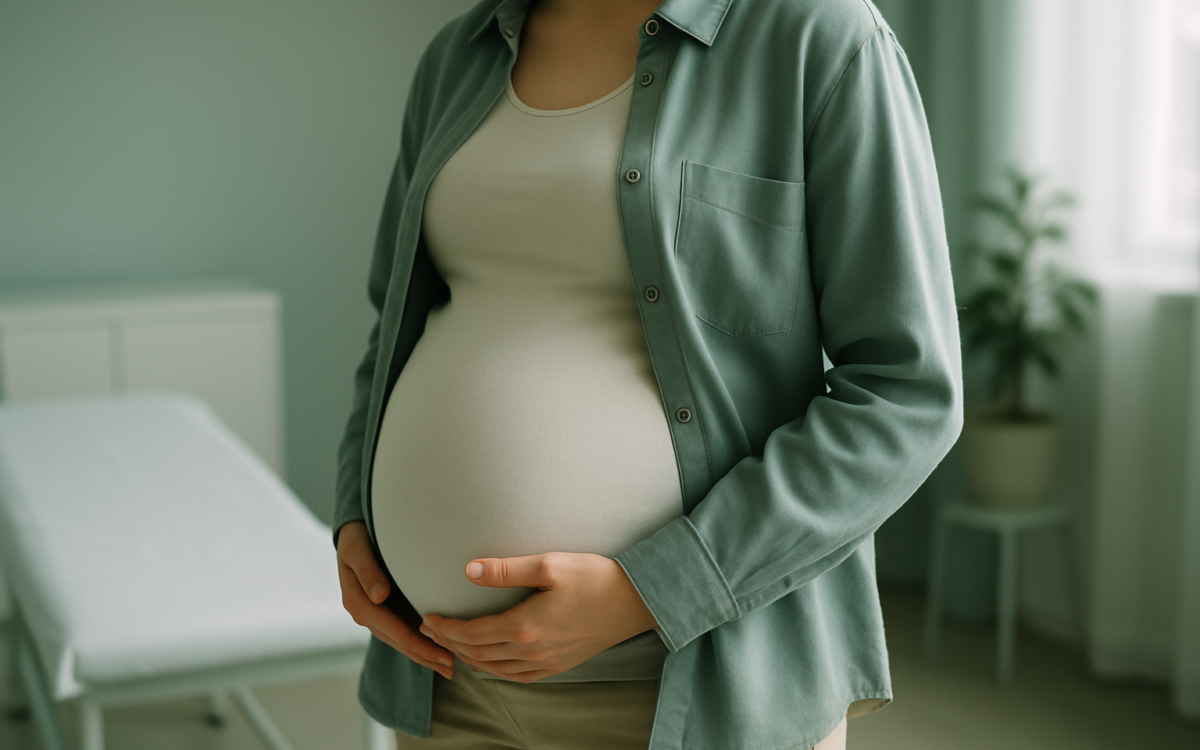
Pregnancy is an exciting and transformative time in a woman’s life. Each pregnancy is unique; therefore, the timeline for when a baby bump becomes visible can vary greatly. Understanding this timeline can help expectant mothers and their loved ones prepare for the exciting journey ahead. So, when does pregnancy start to show, and what factors can influence this timing? Let’s explore.
The First Trimester: Early Changes
In the first trimester, which spans from weeks 1 to 12, many women may not experience a noticeable baby bump. Instead, they might feel early pregnancy symptoms like fatigue, nausea, and breast tenderness. Hormonal changes are at play, and these can cause the body to shift in ways that might be perceived as early signs of pregnancy.
During this phase, the uterus begins to expand to accommodate the growing fetus, but this growth is often not sufficient to show on the outside. Most women can expect their bellies to remain relatively flat during this time.
The Second Trimester: A Visible Change
Many women first notice a visible baby bump in the second trimester, typically around weeks 13 to 27. As the uterus continues to grow, it often rises above the pelvic bone, which can create an obvious roundness in the belly. For most women, this is the time when they feel comfortable announcing their pregnancy to friends and family.
However, every woman’s body is different. Some may show earlier or later, depending on several factors, including:
- Body Type: Women with a smaller frame may start to show sooner than those with a larger frame.
- Muscle Tone: Women with stronger abdominal muscles might notice their bump appearing later as these muscles help contain the uterus temporarily.
- Multiple Pregnancies: Those expecting twins or multiples often show earlier than women carrying a single baby.
Physical Changes in the Body
As the pregnancy progresses, various physical changes can influence when the belly begins to show. For example, increased weight gain, growing body fat, and hormonal shifts contribute to changes in shape and size. Additionally, conditions like bloating or water retention can visually alter a woman’s body in early pregnancy.
Some women also report that their skin appears different due to increased blood flow and hormonal changes. This can make women feel different about their bodies, even if their baby bump isn’t fully visible yet.
Common Questions About Baby Bumps
What About First-Time Mothers?
First-time mothers often find that their baby bump appears later than women who have had previous pregnancies. This is due to the abdominal muscles being tighter and more toned, which may hold in the growing uterus a bit longer.
How Does Pregnancy History Affect Bump Visibility?
Women who have been pregnant before often show sooner. This is because their bodies are already accustomed to the changes that come with pregnancy. The abdominal wall may have stretched previously, allowing it to give way to a baby bump more quickly in future pregnancies.
Emotional and Social Factors
The experience of pregnancy is not only physical but emotional as well. Many women eagerly anticipate their baby bump and may feel a mix of excitement and anxiety about when it will appear. It’s important to remember that each pregnancy is unique; embracing this journey can help ease any worries.
Social factors can also influence when a pregnancy is revealed. Many women choose to wait until they feel a noticeable bump before making announcements to friends and family. This desire for privacy or to keep things under wraps for a bit longer can also affect perceptions surrounding when pregnancy starts to show.
When to See a Doctor
It’s important to stay in touch with your healthcare provider throughout your pregnancy. If you’re concerned about your baby bump—or lack thereof—consult your doctor. They can monitor the growth of the baby and ensure everything is progressing healthily. Additionally, if you experience any unusual symptoms or significant changes in your body, such as severe pain or bleeding, seeking medical advice is crucial.
Conclusion
Understanding when pregnancy starts to show involves knowing that the timing can vary widely from woman to woman. Factors such as body type, pregnancy history, and physical changes all play a role in this unique experience. While many women start to show in their second trimester, others may find that it happens later or earlier, depending on individual circumstances. Regardless of when you notice a change in your body, it’s essential to embrace this beautiful journey of pregnancy and maintain open communication with your healthcare provider.
