
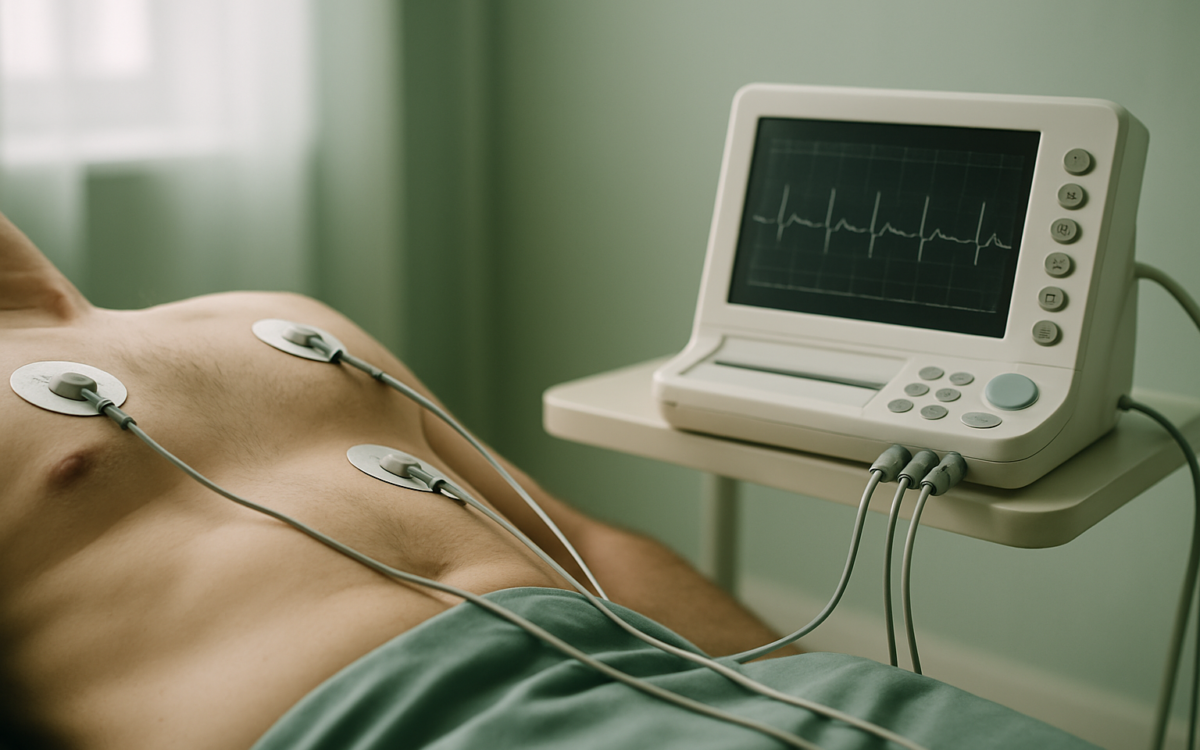
When it comes to heart health, one of the most important tools in modern medicine is the ECG, or electrocardiogram, commonly referred to as the EKG. This device plays a crucial role in monitoring the electrical activity of the heart, allowing healthcare providers to gain valuable insights about your cardiac health. Whether you’re undergoing routine monitoring, facing certain symptoms, or managing chronic conditions, understanding how these monitors work can empower you in your health journey.
What is an ECG/EKG Monitor?
An ECG/EKG monitor is a device that records the electrical signals of the heart over a period of time. The terms ECG and EKG are often used interchangeably; however, EKG comes from the German term “Elektrokardiogramm.” This monitor provides a visual representation of the heart’s rhythm and can help identify any irregularities.
How Do ECG/EKG Monitors Work?
ECG/EKG monitors operate by attaching electrodes to the skin at specific locations on the chest, arms, and legs. These electrodes detect electrical impulses that prompt the heart to beat. The data collected is then transmitted to a computer or printed out, resulting in a trace that depicts the heart’s electrical activity.
Why Are ECG/EKG Monitors Important?
ECG/EKG monitors are vital for various reasons:
- Diagnosing Heart Conditions: They can help diagnose conditions such as arrhythmias, heart attacks, and other heart diseases, enabling timely and effective treatment.
- Monitoring Heart Health: For individuals with existing heart conditions, these monitors are essential for ongoing assessment and management.
- Guiding Treatment Decisions: Healthcare providers use the results to make informed decisions about medications, lifestyle changes, and other therapeutic strategies.
Types of ECG/EKG Monitors
There are several types of ECG/EKG monitors, each serving a unique purpose:
1. Resting ECG
This is the most common type, performed while you are lying down and at rest. It provides a snapshot of your heart’s electrical activity at that moment.
2. Holter Monitor
This portable device is worn for 24 to 48 hours, continuously recording heart activity. It’s particularly useful for capturing irregular heart rhythms that might not occur during a standard test.
3. Event Monitor
This device is similar to a Holter monitor but is worn for a longer period (up to 30 days). It records heart activity when the wearer presses a button, usually during symptoms.
4. Stress Test ECG
This test is conducted while you exercise, typically on a treadmill. It helps assess how your heart performs under physical stress.
When is an ECG/EKG Monitor Used?
An ECG/EKG monitor may be recommended if you experience:
- Chest Pain: Sudden or unexplained chest pain can indicate serious heart issues.
- Palpitations: A sensation of your heart beating too fast, too slow, or irregularly.
- Shortness of Breath: Especially during activity, this may be connected to heart or lung issues.
- Fainting or Dizziness: This could signal an issue with heart rhythm.
Additionally, ECGs are often part of routine check-ups, especially for those at high risk for heart disease, including diabetics and individuals with a family history of heart conditions (Mayo Clinic).
Understanding ECG/EKG Results
Interpreting the results from an ECG/EKG can be complex, but here are some common terminologies:
- Normal Sinus Rhythm: Indicates a healthy heart rhythm.
- Arrhythmia: Refers to an irregular heartbeat.
- Ischemia: Suggests a reduced blood flow to the heart muscle.
- Myocardial Infarction: A medical term for a heart attack.
Your healthcare provider will explain the results in the context of your overall health and personal medical history.
What to Expect During an ECG/EKG Test
Getting an ECG/EKG is a straightforward process:
- You’ll be asked to lie down comfortably, exposing your chest, arms, and legs.
- The technician will attach electrodes to your skin using adhesive patches.
- You’ll need to remain still for a few minutes while the device collects data.
- For stress tests, you’ll be instructed to exercise, after which the monitoring will continue.
Overall, the test is painless and usually takes less than 30 minutes.
When to See a Doctor
If you experience any of the following symptoms, it’s important to consult a healthcare professional:
- Unexplained chest pain, pressure, or discomfort
- Changes in heart rhythm or persistent palpitations
- Severe shortness of breath, especially if sudden
- Symptoms of fainting or severe dizziness
Early intervention can be crucial for heart health.
Conclusion
ECG/EKG monitors provide critical insights into heart health. They play an essential role in diagnosis, treatment planning, and ongoing management of heart conditions. Understanding how they work and when they’re used can help demystify the process and encourage proactive management of your heart health. Remember, if you experience any concerning symptoms, reach out to your healthcare provider for personalized advice and care.
