
Many people may not be aware of the significant role the thyroid gland plays in overall health. When this small gland, located in the neck, doesn’t produce enough hormones, it can lead to a condition known as hypothyroidism. This condition is not just about feeling tired or gaining weight; it can affect various aspects of one’s health. In this article, we will explore what hypothyroidism is, its symptoms, why hormone replacement therapy (HRT) may be necessary, and the various treatment options available.
What is Hypothyroidism?
Hypothyroidism occurs when the thyroid gland doesn’t produce enough thyroid hormones, which are crucial for regulating metabolism, energy levels, and general body functions. According to the National Institutes of Health, this condition can be caused by various factors, including autoimmune diseases like Hashimoto’s thyroiditis, certain medications, or radiation therapy. Worldwide, iodine deficiency was once a common cause, but it has largely been addressed with dietary adjustments.
Recognizing the Symptoms
Hypothyroidism can manifest through a variety of symptoms, which can sometimes be mistaken for other health issues or just signs of aging. Here are some common symptoms:
- Fatigue and sluggishness
- Weight gain despite no change in diet
- Cold intolerance
- Constipation
- Dry skin and hair
- Depression or low mood
- Muscle weakness
If you notice these signs, documenting them can be helpful when discussing with your healthcare provider.
Understanding Hormone Replacement Therapy
Hormone replacement therapy for hypothyroidism involves taking thyroid hormones to restore normal hormone levels. The most commonly prescribed medication is levothyroxine, a synthetic form of the thyroid hormone thyroxine (T4). According to the Mayo Clinic, properly managed hormone levels can significantly improve symptoms and enhance the quality of life for those affected.
How is the Therapy Administered?
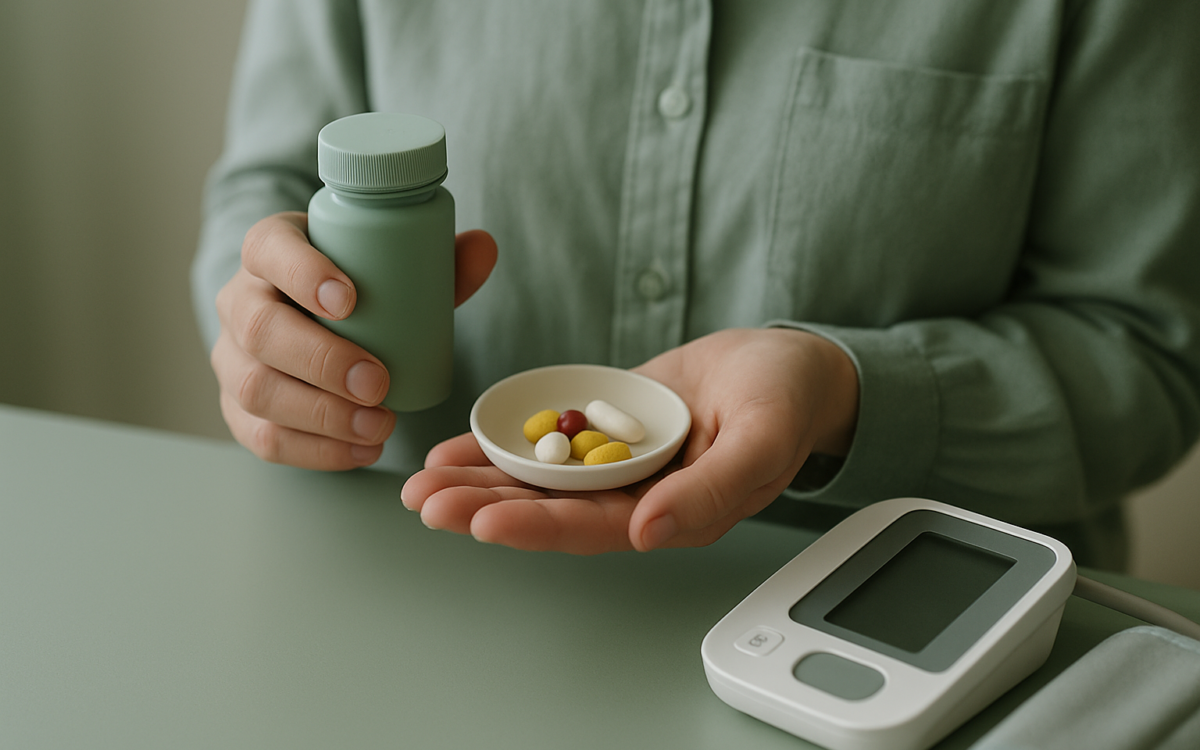
Hormone replacement therapy is typically administered as a daily pill. Once you start the therapy, your doctor will perform regular blood tests to monitor thyroid hormone levels and adjust the dosage as needed. It’s important to follow your doctor’s advice regarding medication intake, as taking it without proper guidance can lead to side effects or insufficient management of the condition.
Potential Side Effects and Considerations
As with any medication, hormone replacement therapy comes with potential side effects. Some individuals might experience:
- Increased heart rate
- Insomnia
- Increased appetite
- Heat intolerance
- Diarrhea
These side effects often occur if the dosage is too high. Therefore, ongoing communication with your healthcare provider is vital to find the right balance. Additionally, some people may have unique situations that could affect how they respond to therapy, such as concurrent health conditions or other medications.
Importance of Lifestyle Changes
In addition to medication, making certain lifestyle changes can significantly support the management of hypothyroidism. Here are some strategies to consider:
- Nutrition: Eating a balanced diet rich in fruits, vegetables, whole grains, and lean proteins can enhance overall health. Some people also benefit from avoiding certain foods, like those rich in soy or goitrogens (found in cruciferous vegetables), which may interfere with thyroid function.
- Exercise: Regular physical activity can help manage weight and boost energy levels. Aim for at least 150 minutes of moderate exercise each week.
- Stress Management: Chronic stress can worsen symptoms of hypothyroidism. Techniques such as mindfulness, yoga, or simple relaxation exercises can help.
When to See a Doctor
If you experience any symptoms of hypothyroidism or have a family history of thyroid disorders, it’s essential to discuss this with your healthcare provider. They can perform tests to measure hormone levels and help you understand the best steps forward.
Conclusion
Understanding hypothyroidism and the role of hormone replacement therapy can empower individuals to take control of their health. Through proper diagnosis, treatment, and lifestyle changes, many find relief from symptoms and improved quality of life. Always remember that communication with your healthcare provider is key to successfully managing this condition.
