
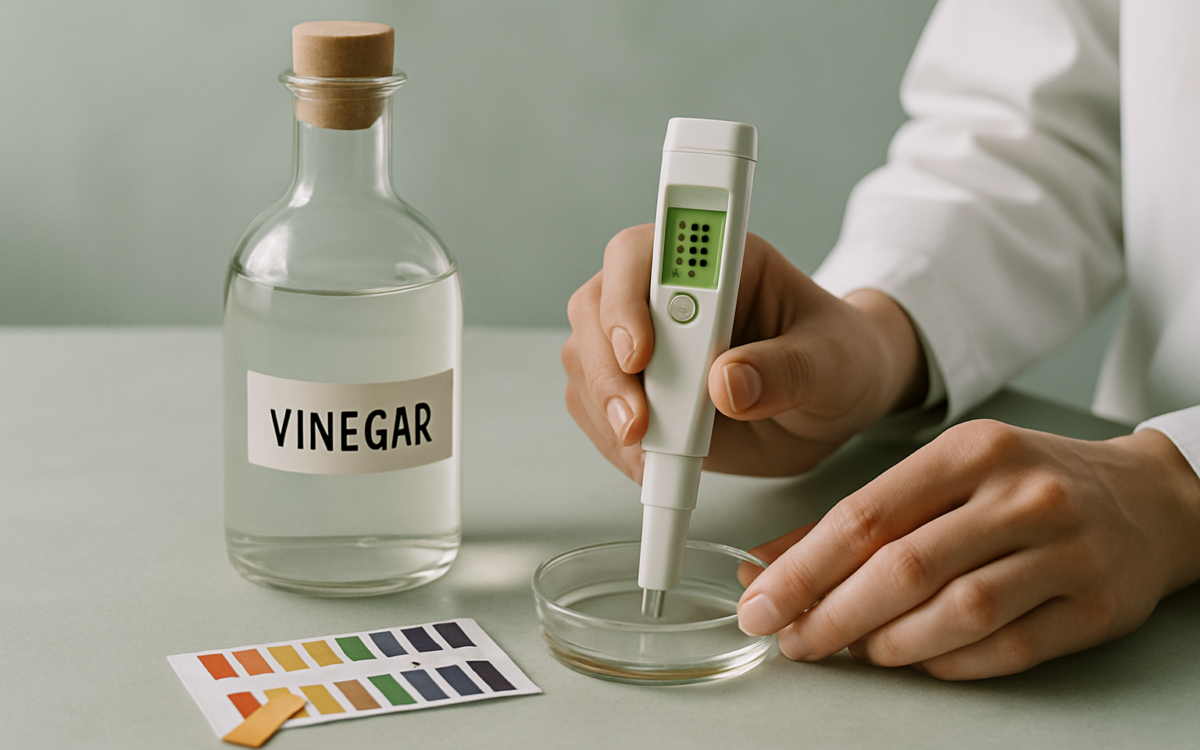
Vinegar has woven itself into our daily lives, from dressing our salads to serving as a household cleaner. But have you ever paused to consider what makes vinegar so versatile? One crucial factor is its pH level. Understanding vinegar’s pH can enrich your knowledge of its applications, benefits, and even some potential concerns.
What Is pH and Why Does It Matter?
pH measures how acidic or basic a solution is, on a scale from 0 to 14. A pH of 7 is neutral, while values below 7 indicate acidity, and those above indicate alkalinity. Most types of vinegar fall between a pH of 2 and 3, making them quite acidic. This low pH is essential not only in culinary practices but also in how vinegar interacts with our bodies.
Types of Vinegar and Their pH Levels
Different types of vinegar vary slightly in their pH levels and flavors, which can impact their uses:
- Apple Cider Vinegar: Typically around 2.5 to 3.0, this vinegar boasts potential health benefits that attract many users.
- Balsamic Vinegar: Ranging from 3.0 to 4.0, it has a sweeter taste and is commonly used in dressings and marinades.
- White Vinegar: With a pH of about 2.4, this is one of the strongest and is often employed for pickling.
- Red Wine Vinegar: Slightly less acidic, with a pH of around 3.0 to 3.5, it offers a complex flavor ideal for various dishes.
The Culinary Uses of Vinegar
Vinegar’s low pH level makes it a favorite in the kitchen for several reasons:
- Flavor Enhancer: The acidity in vinegar brightens dishes, bringing out flavors in salads, marinades, and sauces.
- Preservation: Its acidity helps inhibit the growth of bacteria, which is why it’s often used in canning and pickling.
- Emulsification: Vinegar helps create stable emulsion in dressings—keeping oil and vinegar mixed without separating.
Health Benefits of Vinegar
Vinegar, especially apple cider vinegar, has garnered attention for its potential health benefits:
- Blood Sugar Control: Some research suggests that vinegar may help improve insulin sensitivity and lower blood sugar levels after meals ([NIH](https://www.ncbi.nlm.nih.gov/)).
- Weight Management: Certain studies indicate that vinegar might aid in weight loss by increasing feelings of fullness ([NIH](https://www.ncbi.nlm.nih.gov/)).
- Digestive Health: Vinegar can act as a natural remedy helping with digestion and may aid the gut microbiome.
Potential Risks and Precautions
While vinegar holds numerous benefits, it’s essential to be aware of some potential risks associated with its high acidity:
- Dental Health: Prolonged exposure to acidic substances like vinegar can erode tooth enamel. Rinsing your mouth after consuming vinegar can help mitigate this.
- Gastrointestinal Issues: For some individuals, particularly those with acid reflux or peptic ulcers, vinegar might exacerbate symptoms.
- Medication Interactions: Vinegar may influence the effectiveness of certain medications, such as diuretics or diabetes medications. If you’re on medication, consult your doctor before significantly increasing vinegar intake.
When to See a Doctor
If you experience adverse reactions after consuming vinegar, such as persistent stomach discomfort, nausea, or any unusual symptoms, it is advisable to consult a healthcare provider. Additionally, if you have underlying health conditions such as diabetes or digestive disorders, seeking professional guidance before incorporating vinegar into your diet may be beneficial.
Conclusion
Understanding vinegar’s pH and its implications can enrich your cooking and health journey. With various types contributing to culinary versatility and potential health benefits, vinegar remains a powerful companion in our daily lives. Just remember to use it wisely and consult with a healthcare professional for personalized advice.
