
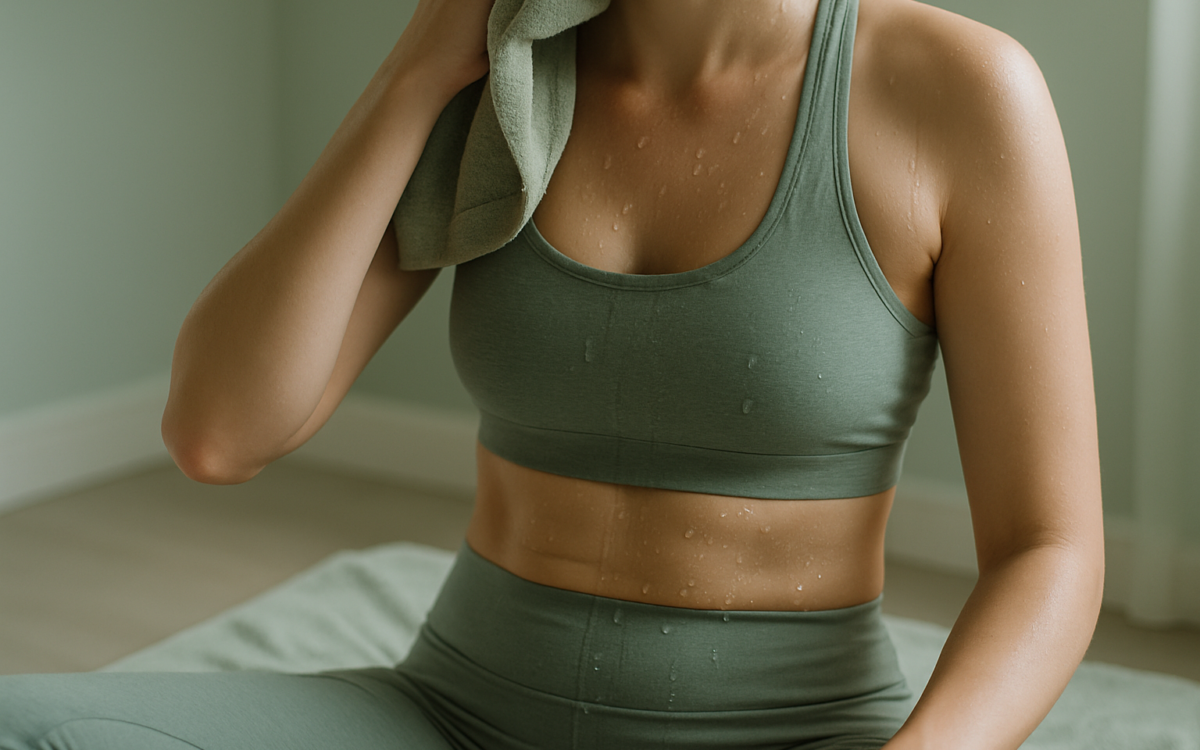
When it comes to losing weight, a lot of myths and misconceptions circulate in popular culture. One of the most common beliefs is that the more you sweat, the more weight you are losing. While sweating is a natural bodily function during exercise and hot weather, it is essential to understand what it really means for your weight loss journey.
Understanding Sweating
Sweating is the body’s way to cool itself down. When your internal temperature rises, whether from physical activity or hot weather, the sweat glands produce moisture to help regulate your body temperature. Sweat is primarily composed of water, salt, and a few other trace minerals. It’s important to realize that sweating does not mean you are burning fat; it is just your body’s reaction to keep cool.
The Role of Water Weight
One common misunderstanding is that heavy sweating results in significant weight loss. While it’s true that you might see a drop in weight on the scale after an intense workout, much of this loss is temporary and largely due to fluid loss rather than fat loss. According to the National Institutes of Health, losing weight through sweating primarily means losing water weight. Once you rehydrate, the weight returns.
Calories Burned vs. Sweating
The real measure of weight loss comes from burning calories. During exercise, your body uses energy stored in muscles, which is ultimately what contributes to fat loss. This source of energy is measured in calories, and not sweating itself. Different types of activities burn different amounts of calories. For example:
- Aerobic exercises, like running or cycling, typically burn more calories.
- Strength training builds muscle, which can increase your metabolic rate over time.
The amount you sweat during these activities might vary, but the primary factor in weight loss is the number of calories you burn, not how much you sweat.
Why Sweat Depends on Different Factors
Several factors influence how much you sweat during a workout, including:
- Fitness Level: More conditioned individuals tend to sweat more efficiently, which can lead to increased sweating.
- Environment: Heat and humidity can cause you to sweat more than in cooler, drier climates.
- Genetics: Some people simply sweat more due to genetic predisposition.
So, while sweating can vary from person to person and session to session, it doesn’t directly correlate with the effectiveness of your workout in terms of weight loss. Always consider the bigger picture.
Hydration and Health Considerations
When you sweat a lot, it is crucial to stay hydrated. Losing too much fluid through sweat can lead to dehydration, which can negatively affect your performance, recovery, and overall health. The Mayo Clinic recommends drinking water regularly throughout the day and especially before, during, and after exercise. This is vital, especially in hot conditions or for those exercising at high intensity.
For those considering international treatments or interventions related to weight loss, it’s worth exploring international patient services that focus on various health strategies, including sustainable weight loss approaches.
Debunking Common Myths About Sweating and Weight Loss
Let’s quickly dispel some common myths surrounding sweating:
- Myth 1: Sweating more means you’re burning fat faster. Not true! Calories burned are what count, not the volume of sweat.
- Myth 2: You have to sweat to have an effective workout. Many effective workouts may not produce excessive sweat, like yoga or strength training.
- Myth 3: Sweating is an indicator of fitness level. While some fit people may sweat more, everyone’s sweating mechanisms are different.
When to See a Doctor
If you find that you are sweating excessively or have concerns about your sweating patterns, it could be worth consulting a healthcare professional. Conditions like hyperhidrosis can cause excessive sweating, which might require treatment. Additionally, if you experience dizziness, fatigue, or signs of dehydration during or after sweating, it is essential to seek medical advice.
Conclusion
In summary, while sweating is an integral part of exercise, it does not directly lead to weight loss. Instead, focus on the number of calories burned during physical activity and the overall consistency of your workout routine for effective weight management. Staying hydrated and informed about the differences between sweat and fat loss will empower you on your journey to better health.
