
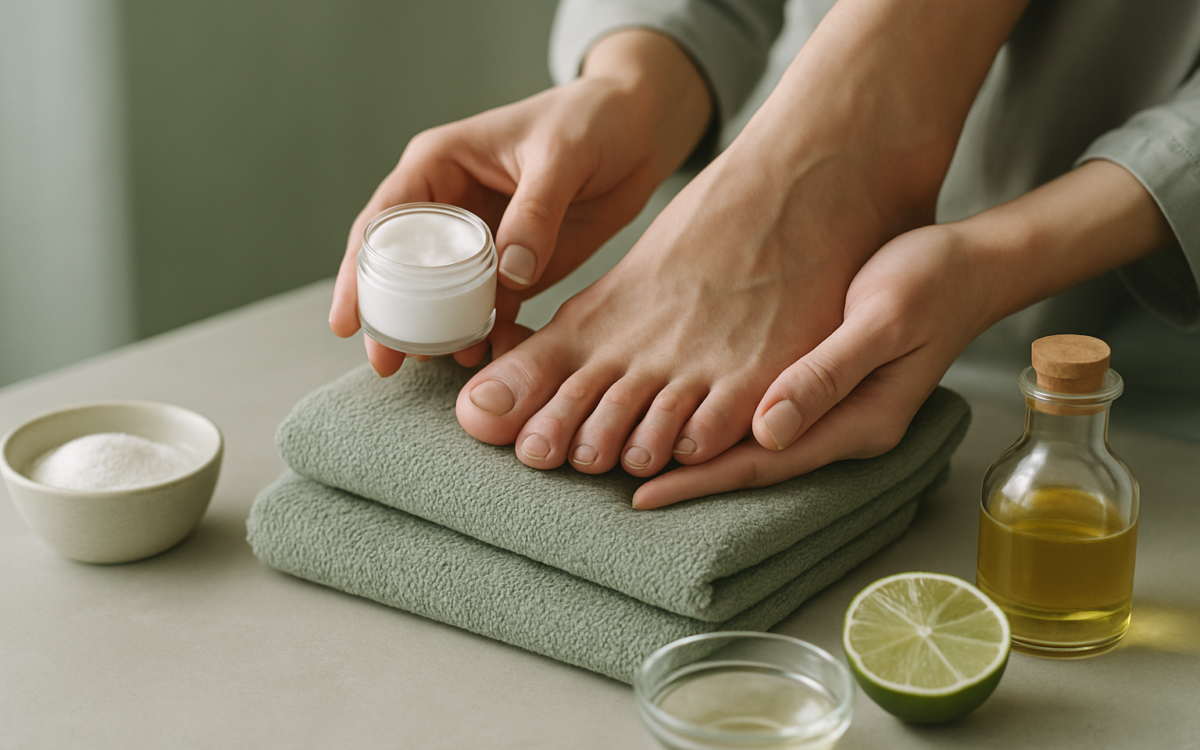
Foot tinea, commonly known as athlete’s foot, is a fungal infection that affects the skin on the feet. While it can be uncomfortable and itchy, there are several natural home remedies that may help alleviate symptoms and support healing. Understanding these remedies can empower you to take care of your foot health.
What is Foot Tinea?
Foot tinea is caused by dermatophytes, fungi that thrive in warm and damp environments. Many people contract this infection in public places like swimming pools, gyms, or locker rooms. It often leads to redness, peeling skin, itching, and sometimes blisters. While over-the-counter antifungal medications are available, some individuals may prefer to explore natural options first.
Why Consider Home Remedies?
Home remedies can be a gentler approach to manage minor cases of foot tinea. They often involve readily available ingredients and may come with fewer side effects than some prescription treatments. However, it’s essential to recognize that home remedies are not guaranteed solutions. If symptoms persist or worsen, consulting a healthcare professional is crucial.
Natural Remedies to Try
1. Tea Tree Oil
Tea tree oil is known for its antifungal properties and can help reduce the symptoms of athlete’s foot. To use this remedy, mix a few drops of tea tree oil with a carrier oil, such as coconut or olive oil, then apply it to the affected area twice daily. According to the National Institutes of Health, tea tree oil has shown efficacy against various fungi.
2. Vinegar Soak
Vinegar, especially apple cider vinegar, has antifungal properties that can help alleviate foot tinea symptoms. To prepare a foot soak, mix one part vinegar with two parts water and soak your feet for 15 to 30 minutes. This remedy can help restore the skin’s natural pH balance, making it less hospitable for fungi.
3. Garlic Paste
Garlic is another natural remedy with strong antifungal properties. To use garlic, crush a few cloves to make a paste and apply it to the affected areas. Leave it on for about 30 minutes before rinsing. Remember that garlic can cause skin irritation, so it’s wise to do a patch test first.
4. Coconut Oil
Coconut oil contains lauric acid, which is touted for its antifungal properties. Applying coconut oil to the feet can soothe irritation and create a barrier to further fungal growth. Apply a thin layer of coconut oil directly on the affected skin several times a day.
5. Aloe Vera Gel
Aloe vera is well-known for its soothing and healing properties. It can help calm the skin and reduce inflammation associated with foot tinea. Apply pure aloe vera gel to the affected skin to promote healing and provide relief from discomfort.
Preventing Foot Tinea
Prevention is key, especially if you are susceptible to foot tinea. Here are some tips to help you avoid infections:
- Keep your feet clean and dry, particularly between the toes.
- Wear breathable shoes made of natural materials.
- Change socks regularly, and opt for moisture-wicking fabrics.
- Avoid walking barefoot in communal showers or pool areas.
- Use antifungal powder or spray in footwear if you sweat excessively.
When to See a Doctor
If your symptoms do not improve with home remedies or worsen after a week, it’s wise to seek medical advice. Additionally, if you experience severe pain, swelling, or signs of a secondary infection (such as increased redness or pus), consulting a healthcare provider is essential. Conditions affecting the skin, such as diabetes, may require more immediate attention when fungal infections arise.
Conclusion
Foot tinea can be bothersome, but home remedies offer potential relief while promoting skin health. Natural options like tea tree oil, vinegar, garlic, coconut oil, and aloe vera can help soothe symptoms. However, if the infection does not respond or worsens, consult your doctor for further evaluation. Prioritizing foot hygiene and taking preventive measures can also significantly reduce your risk of developing foot tinea.
