
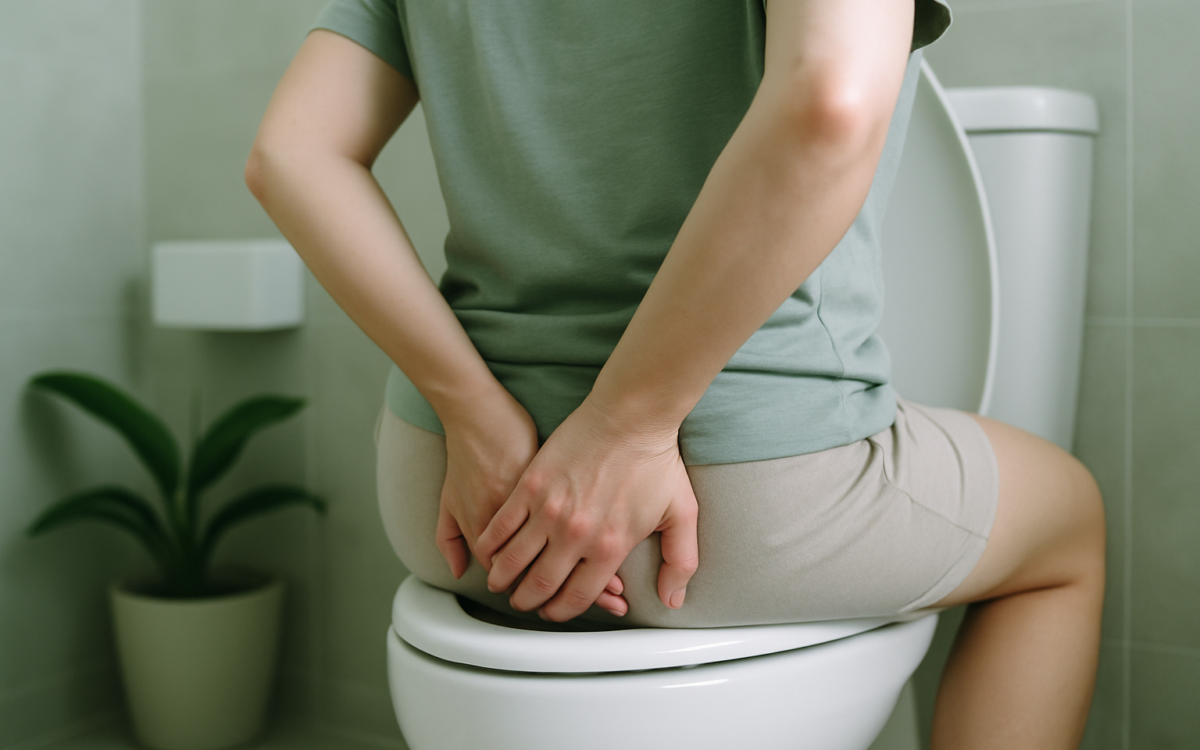
Haemorrhoids, commonly known as piles, are swollen blood vessels in the rectal area that can cause discomfort and may lead to various symptoms. Many individuals experience haemorrhoids at some point in their lives, often feeling embarrassed to discuss them. Understanding what haemorrhoids look like and their symptoms is important for managing this condition. In this article, we will explore what haemorrhoids are, their signs, and treatment options, helping you feel more informed.
What Are Haemorrhoids?
Haemorrhoids can be classified into two main types: internal and external. Internal haemorrhoids are located inside the rectum and typically don’t cause pain, as there are few pain receptors in that area. External haemorrhoids, on the other hand, are found under the skin around the anus and can be quite painful.
Both types can be caused by increased pressure in the area, which may result from various factors, including:
- Straining during bowel movements
- Pregnancy
- Chronic constipation or diarrhea
- Obesity
- Prolonged sitting
Recognizing the appearance of haemorrhoids is key to understanding their nature. You can often find medical images and diagrams that visually describe the characteristics of both internal and external haemorrhoids.
Symptoms of Haemorrhoids
The symptoms of haemorrhoids can vary widely. While some individuals may experience severe discomfort, others might not notice any symptoms at all. Common signs include:
- Pain or discomfort, especially when sitting
- Itching or irritation in the anal region
- Swelling around the anus
- Bright red blood on stool, toilet paper, or in the toilet
- Mucus discharge after a bowel movement
- In some cases, a lump near the anus that may be sensitive or painful
If you observe any of these symptoms, especially the presence of blood, it’s essential to seek medical consultation to rule out more serious conditions.
How Haemorrhoids Are Diagnosed
Healthcare providers can usually diagnose haemorrhoids through a physical examination, including a visual inspection of the anal area. In some cases, they may perform a digital rectal exam, or use a scope, which involves inserting a small device into the anus to get a better view of internal haemorrhoids.
If you’re curious about what these procedures may involve, you can read more about diagnostic practices on the Mayo Clinic’s website.
Treatment Options for Haemorrhoids
Treatment for haemorrhoids often starts with conservative measures, unless symptoms are severe or persistent. Here are some common treatment options:
Home Remedies
- Over-the-counter creams and ointments can provide temporary relief.
- Warm sitz baths can soothe the area, reducing discomfort.
- Increased fiber intake through diet or supplements can ease bowel movements.
- Hydration is essential, so drinking plenty of water helps.
Medical Treatments
If conservative measures are ineffective, medical treatments may be necessary:
- Rubber band ligation: This method involves placing a rubber band around the base of an internal haemorrhoid to cut off its blood supply.
- Sclerotherapy: A solution is injected into the haemorrhoid, causing it to shrink.
- Infrared coagulation: This treatment uses infrared light to cut off blood supply to the haemorrhoid.
- Surgery: In severe cases, surgical removal of haemorrhoids may be required.
Always discuss treatment options with your healthcare provider, who can recommend the best approach based on your situation.
Prevention Tips
Prevention is the best strategy for avoiding haemorrhoids. Here are some helpful tips:
- Maintain a high-fiber diet, including fruits, vegetables, and whole grains.
- Drink plenty of water to stay hydrated.
- Avoid prolonged sitting or standing, and take breaks to move around.
- Practice good bathroom habits, and avoid straining during bowel movements.
- Engage in regular physical activity to promote healthy digestion.
Incorporating these habits into your daily routine can significantly reduce your risk of developing haemorrhoids.
When to See a Doctor
It’s important to consult a healthcare provider if you experience:
- Severe pain in the anal area
- Persistent bleeding or blood in your stool
- A lump around the anus that is painful
- Changes in bowel habits that last more than a few days
Early detection and treatment can prevent complications and ensure that you receive appropriate care.
In conclusion, understanding haemorrhoids, their symptoms, and potential treatment options can empower you to take control of your health. Remember that open discussions with your healthcare provider can lead to the best outcomes.
