
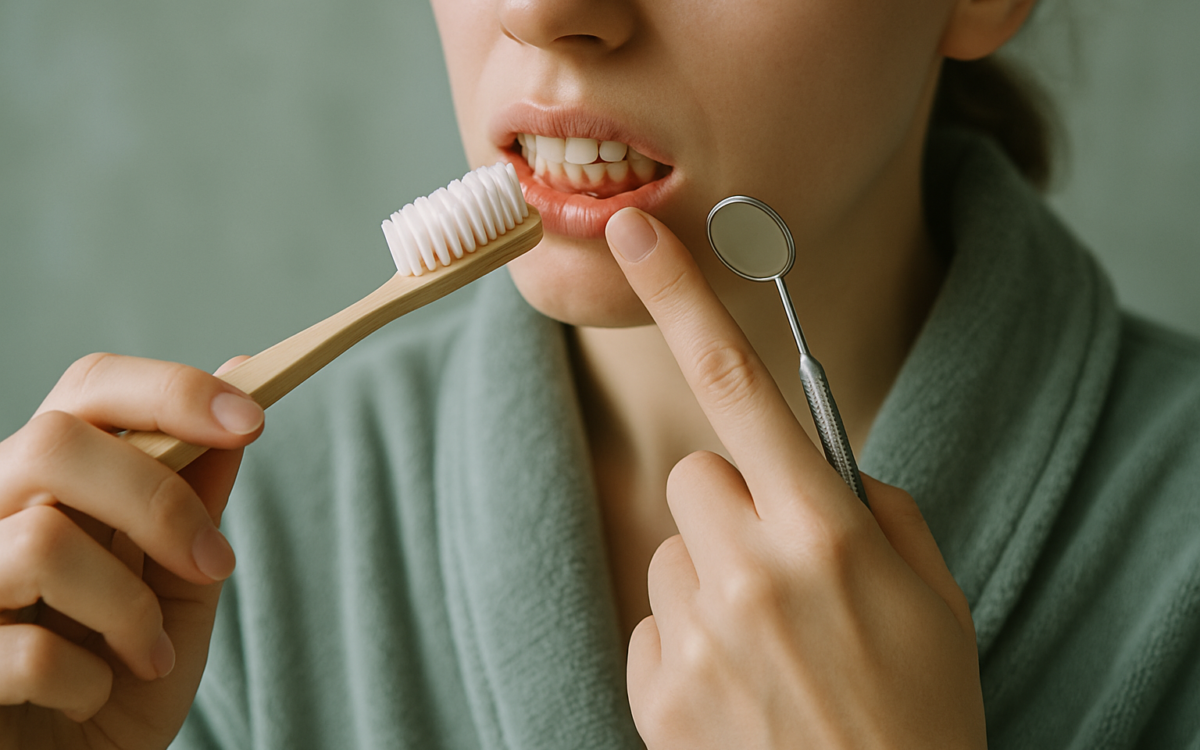
Gum disease, sometimes called periodontal disease, is a common issue that can affect anyone. It occurs when bacteria in plaque buildup on the teeth and gums trigger inflammation and infection. The journey to healthy gums starts at home, and proper self-care is essential to prevent and manage this condition. Whether you’re dealing with mild gingivitis or more severe periodontal disease, understanding how to care for your gums can support oral health and overall well-being.
Understanding Gum Disease
Gum disease begins with gingivitis, which is the early stage characterized by swollen, red gums that bleed easily. Without intervention, gingivitis can progress to periodontal disease, which can lead to tooth loss and other health complications. According to the CDC, nearly half of adults over 30 have some form of gum disease. Recognizing the signs early on can help prevent further issues.
Practice Good Oral Hygiene
The foundation of any oral health routine is good hygiene. Here are some tips to keep your teeth and gums healthy:
- Brush your teeth twice a day: Use a soft-bristled toothbrush and fluoride toothpaste to gently clean your teeth for two minutes each time.
- Floss daily: Flossing removes plaque and food particles between the teeth and below the gumline, areas your toothbrush can’t reach.
- Consider mouthwash: An antibacterial mouthwash can help reduce bacteria in your mouth, aiding in gum health.
By maintaining these practices, you can significantly reduce your risk of gum disease and ensure that your oral hygiene routine is effective.
Nutrition and Gum Health
Your diet plays a significant role in supporting gum health. Foods rich in vitamins and minerals can promote strong gums and combat inflammation.
- Vitamin C: Found in citrus fruits, strawberries, and bell peppers, Vitamin C helps heal the gums and aids in collagen production.
- Calcium: Often associated with bone health, calcium also supports the structure of your teeth and jaws. Dairy products, nuts, and leafy greens are excellent sources.
- Omega-3 fatty acids: Present in fish like salmon and flaxseeds, omega-3s can reduce inflammation and help your gums heal.
A balanced diet can not only improve your gum health but also enhance your overall health.
Quitting Tobacco
If you smoke or use chewing tobacco, quitting can significantly improve your gum health. Tobacco products weaken your immune response, making it harder for your body to fight off gum infections. Research shows that smokers are more likely to have gum disease and experience tooth loss than non-smokers. If you’re looking for resources or support to quit, many programs are available that can help you on your journey.
Regular Dental Check-Ups
While self-care is vital, it’s equally important to visit your dentist regularly. Routine check-ups and cleanings can help catch gum disease early and prevent serious complications. Your dentist can remove plaque and tartar build-up that brushing and flossing may miss. They can also provide personalized advice tailored to your specific oral health needs. Generally, it’s recommended to visit your dentist every six months, but individuals at higher risk for gum disease may need more frequent visits.
Exploring International Treatment Options
For those who may be considering dental treatment beyond their local options, countries like Turkey offer affordable and advanced care. Many facilities provide excellent gum disease treatments tailored to individual needs. The option of seeking treatment in Turkey may appeal to those looking for specialized care at reasonable prices while also exploring another culture.
When to See a Doctor
If you notice persistent symptoms like swollen gums, bleeding while brushing or flossing, persistent bad breath, or loose teeth, it’s vital to seek professional care. Early intervention can make a significant difference in the outcomes for gum disease.
Conclusion
Managing gum disease requires both vigilant self-care and regular dental check-ups. By adopting good oral hygiene practices, maintaining a nutritious diet, quitting tobacco, and seeking professional help when needed, you can take significant steps toward healthier gums. Remember, your smile reflects your overall health, and caring for your gums is an essential part of that journey.
