
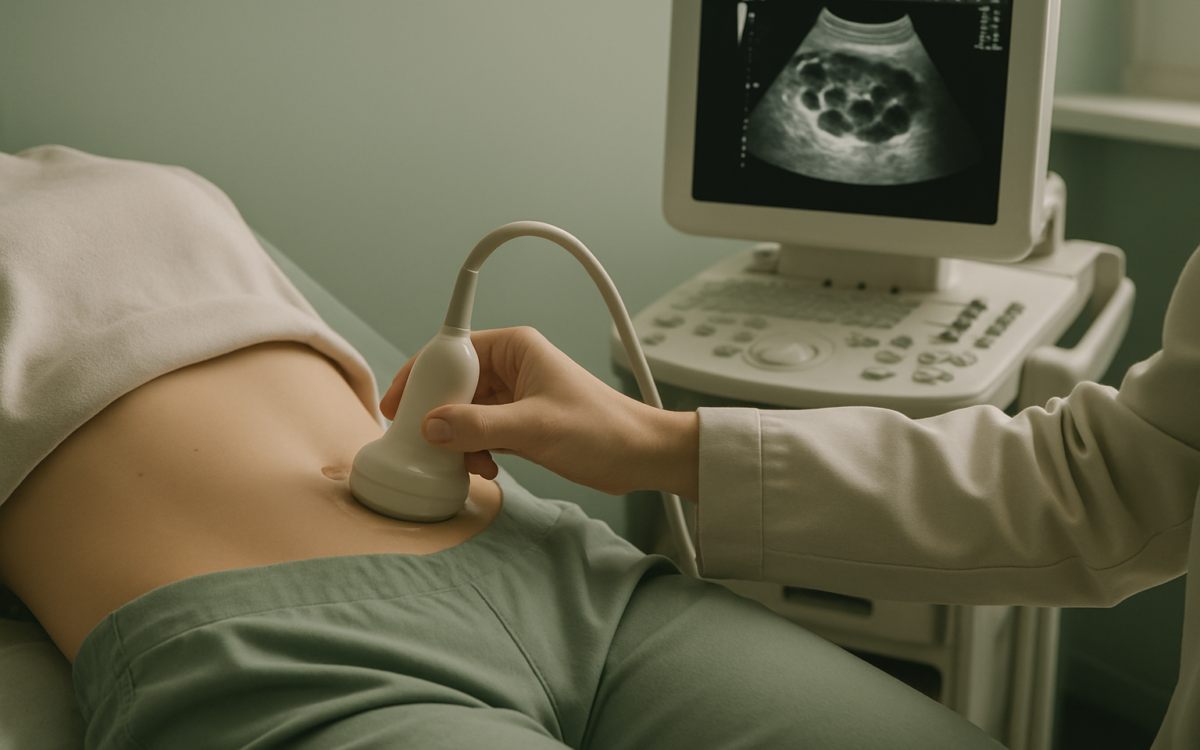
Polycystic Ovary Syndrome (PCOS) affects many women around the world, yet it often goes undiagnosed for years. One of the critical tools used to diagnose this condition is a pelvic ultrasound. Although the term might sound intimidating, understanding how an ultrasound works can empower you to take charge of your health.
What is PCOS?
PCOS is a hormonal disorder that affects women of reproductive age. It can lead to a variety of symptoms, including irregular menstrual cycles, weight gain, acne, and excessive hair growth. It is named for the small cysts that may form on the ovaries, although not all women with PCOS will have these cysts. The exact cause of PCOS is still unknown, but it is thought to involve a combination of genetic and environmental factors.
How Ultrasound Works
An ultrasound, or sonogram, is a medical imaging technique that uses sound waves to create visual images of the inside of your body. For a PCOS diagnosis, a pelvic ultrasound is most commonly performed. This procedure can be done transabdominally (through the abdomen) or transvaginally (through the vagina). The latter often gives a clearer view of the ovaries and the uterus.
Why Is an Ultrasound Important for Diagnosing PCOS?
The ultrasound provides physicians with visual evidence to confirm a diagnosis of PCOS. During the procedure, the technician or doctor will look for several signs:
- Enlarged ovaries
- The presence of multiple small cysts on the ovaries
- Thickened uterine lining
According to the National Institutes of Health (NIH), at least two of the following criteria must be met for a PCOS diagnosis: irregular menstrual cycles, clinical or biochemical signs of excess androgen hormones, and polycystic ovaries as seen on ultrasound.
What to Expect During the Ultrasound
Before the ultrasound, your healthcare provider may ask you to drink water to fill your bladder, which can help improve the quality of images taken during a transabdominal ultrasound. If the transvaginal method is used, a smaller probe is gently inserted into the vagina to get closer to the ovaries and uterus.
The ultrasound itself is generally painless and takes about 15 to 30 minutes. You may hear some clicking sounds from the machine, but it won’t feel uncomfortable. After the ultrasound, your healthcare provider will analyze the images and discuss the findings with you.
Interpreting the Results
Ultrasound findings are just one part of the overall diagnostic process. If your doctor identifies polycystic ovaries, it doesn’t automatically mean you have PCOS. They’ll also take into account your symptoms and hormone levels. Sometimes, additional tests such as blood work may be required to fully understand your condition.
Women from different parts of the world seek ultrasound treatments to understand PCOS better. For those considering international options, institutions like Acibadem International offer resources to help navigate diagnosis and treatment effectively.
Living with PCOS
If you are diagnosed with PCOS, know that you are not alone, and there are various treatment options to manage symptoms. Lifestyle changes, such as adopting a healthier diet and regular exercise, can be beneficial. Medications like birth control pills and anti-androgens can help regulate your cycle and manage symptoms as well.
Support groups and counseling can also play vital roles in managing the emotional and psychological aspects that sometimes accompany PCOS. It’s essential to have a supportive network around you while navigating through this condition.
When to See a Doctor
If you experience symptoms of PCOS such as irregular periods, excessive hair growth, or severe acne, it’s a good idea to consult a healthcare provider. Early diagnosis can lead to better management of the condition and can reduce the risk of complications like infertility, diabetes, and heart disease.
Conclusion
Understanding PCOS and the role of ultrasound in its diagnosis is crucial for effective treatment and management. While a PCOS diagnosis can be challenging, knowing what to expect from the ultrasound process can ease some of the concerns. Arm yourself with information, and don’t hesitate to reach out to your healthcare professional for guidance.
