
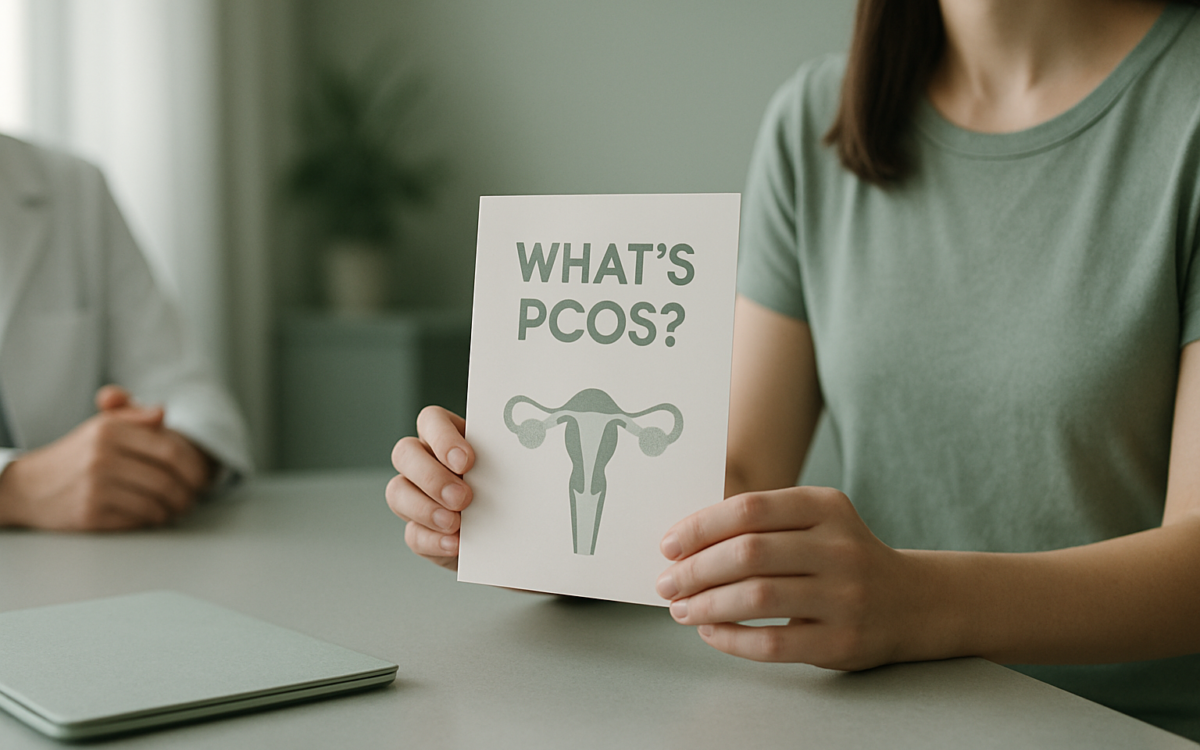
Polycystic Ovary Syndrome (PCOS) is a common health condition that affects many women in their reproductive years. Characterized by a range of symptoms, PCOS can impact not only fertility but also overall well-being. Understanding this condition is the first step in managing it effectively.
What is PCOS?
PCOS is a hormonal disorder that affects the ovaries. It can lead to a variety of symptoms, particularly related to menstrual cycles and hormonal balance. Women with PCOS often have higher levels of androgens, the male hormones present in both men and women, which can disrupt the normal balance of hormones that regulate the menstrual cycle.
Common Symptoms of PCOS
Recognizing the symptoms of PCOS is crucial for early intervention and management. Common symptoms include:
- Irregular or missed menstrual periods
- Excessive hair growth (hirsutism) on the face, chest, or back
- Weight gain or difficulty losing weight
- Acne and oily skin
- Thinning hair or hair loss on the scalp
- Dark patches of skin, often in areas like the neck or underarms
These symptoms can vary greatly from one woman to another. For some, PCOS may not present noticeable symptoms until later in life, while others may experience them in their teens.
What Causes PCOS?
The exact cause of PCOS is still not fully understood, but several factors are believed to contribute to its development:
- Genetics: PCOS can run in families, suggesting that there may be a genetic component.
- Insulin Resistance: Many women with PCOS have insulin resistance, which means their bodies do not use insulin effectively. This can lead to higher insulin levels, which may stimulate the ovaries to produce more androgens.
- Inflammation: Some studies suggest that inflammation may play a role in the hormonal imbalance seen in PCOS.
It’s important to discuss any family history or personal health concerns with a healthcare provider to better understand your risk factors.
Diagnosis of PCOS
Diagnosing PCOS typically involves a combination of medical history, physical examination, and specific tests. Doctors may order blood tests to measure hormone levels and conduct an ultrasound to check the appearance of the ovaries. While there are no definitive tests for PCOS, your doctor may use established criteria such as the Rotterdam criteria, which requires two of the following three criteria:
- Irregular or absent menstrual cycles
- Clinical or biochemical signs of excess androgens
- Polycystic ovaries as seen on ultrasound
This thorough assessment ensures that other conditions with similar symptoms can be ruled out, leading to a more accurate diagnosis.
Treatment and Management of PCOS
Treatment for PCOS is personalized and may include lifestyle changes, medications, and alternative therapies. Here are common approaches:
- Lifestyle Changes: Many women find success in managing symptoms through a balanced diet and regular physical activity. Weight loss, even a small amount, can help improve insulin sensitivity and hormonal balance.
- Medications: Doctors may prescribe hormonal contraceptives, such as birth control pills, to help regulate menstrual cycles and reduce androgen levels. Additionally, medications like metformin can help manage insulin resistance.
- Fertility Treatments: For women trying to conceive, treatments such as clomiphene citrate may help induce ovulation. In some cases, assisted reproductive technologies may be recommended.
- Alternative Treatments: Some women explore options such as acupuncture, herbal therapies, or supplements to manage symptoms. Always discuss these choices with a healthcare professional to ensure safety and efficacy.
For those seeking specialized treatment or a comprehensive evaluation, international medical facilities such as acibademinternational.com offer a range of services for women dealing with PCOS.
Living with PCOS
Living with PCOS can be challenging but support and education are vital components of managing this condition. Many women find that connecting with support groups or online communities provides them with valuable resources, encouragement, and shared experiences. It can be helpful to have open conversations with healthcare providers about treatment options, lifestyle changes, and emotional health, as PCOS can impact mental wellness as well.
When to See a Doctor
If you are experiencing symptoms of PCOS, such as irregular periods or excessive hair growth, it’s important to consult with a healthcare provider. Early diagnosis and management can improve health outcomes and quality of life. Additionally, if you’re experiencing challenges related to fertility or are concerned about weight gain, discussing these issues with your doctor is crucial.
Conclusion
PCOS is a complex condition that varies from woman to woman. Understanding its symptoms, causes, and treatment options can empower women to take control of their health. Early diagnosis and personalized treatment plans lead to the best outcomes, allowing women with PCOS to manage symptoms effectively and improve their overall health.
