
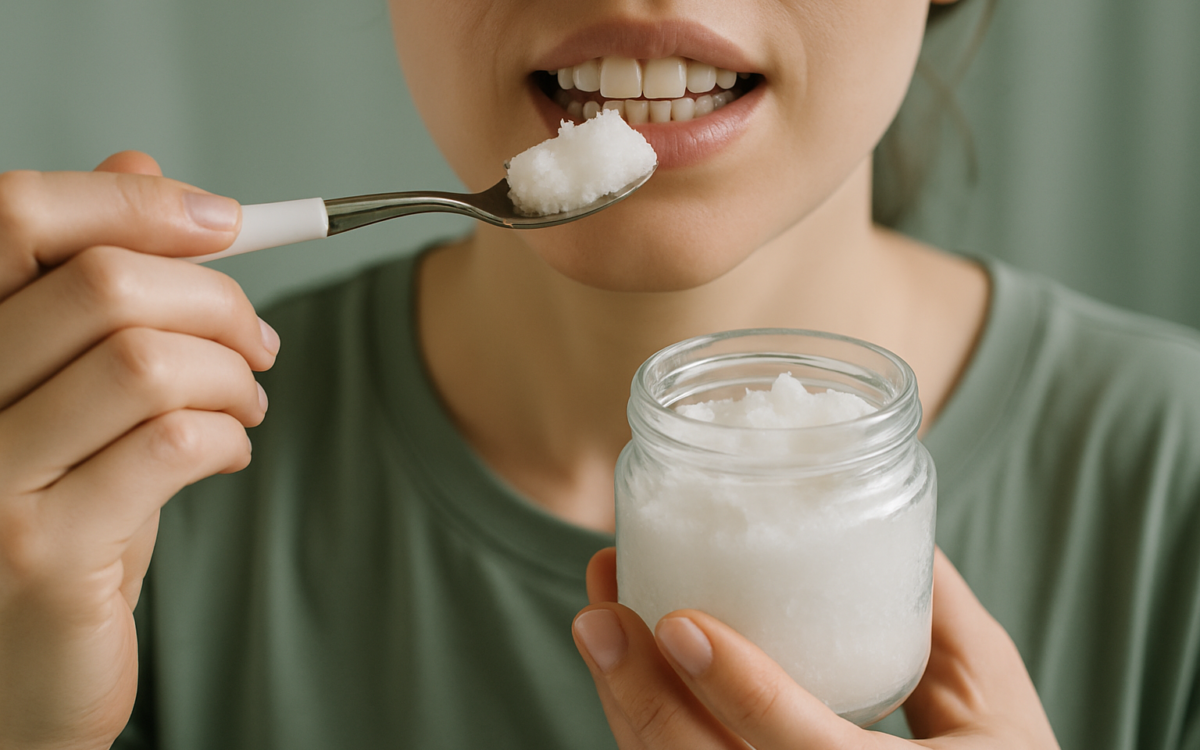
Coconut oil has gained popularity in recent years, not just as a healthy cooking oil but also in beauty and wellness routines. One of the intriguing claims surrounding coconut oil is its ability to whiten teeth. But how effective is it? In this article, we will explore the evidence, its potential benefits, and how you might incorporate it into your oral hygiene routine.
What Is Coconut Oil?
Coconut oil is derived from the meat of mature coconuts. It is a rich source of saturated fats, mainly medium-chain triglycerides (MCTs). These composition elements give coconut oil its unique characteristics and health benefits. In recent years, it has been touted for everything from skincare to dental care.
The Science Behind Teeth Whitening
Teeth whitening involves removing stains and discoloration from the surface of teeth. Common methods include professional treatments at dental offices using bleaching agents, whitening toothpaste, and at-home strips. The active ingredients in most whitening products typically contain hydrogen peroxide or carbamide peroxide, which can lighten the color of teeth.
Does Coconut Oil Whiten Teeth?
Coconut oil has been popularized in the practice of oil pulling, an ancient Ayurvedic technique where oil is swished in the mouth to purportedly improve oral health. Some proponents claim that oil pulling with coconut oil can help whiten teeth.
A small study published in the Journal of Clinical & Diagnostic Research found that oil pulling with coconut oil could reduce plaque and gingivitis. However, clarifying its effectiveness specifically for whitening teeth is important. While the oil can help remove some surface stains, it does not contain the same powerful bleaching agents found in conventional whitening products.
Benefits of Using Coconut Oil for Oral Health
While coconut oil may not be the miracle teeth-whitening solution that some claim, it does have other potential benefits for your oral health:
- Antimicrobial properties: Coconut oil has lauric acid, which may help kill harmful bacteria in the mouth.
- Reduces plaque: Some studies suggest that regular oil pulling can decrease plaque formation, which can improve overall gum health.
- Freshens breath: Swishing coconut oil can help reduce bacteria that cause bad breath.
How to Use Coconut Oil for Teeth Whitening
If you’re curious about trying coconut oil for its potential benefits, here is a simple method to get started:
- Choose your coconut oil: Make sure it’s organic, virgin coconut oil for the best quality.
- Oil pulling: Take about a tablespoon of coconut oil and swish it in your mouth for 10 to 20 minutes. Make sure to avoid swallowing it.
- Spit it out: Do not swallow the oil, as it can contain toxins and bacteria from your mouth. Spit it into the trash, not the sink, to avoid clogging.
- Brush your teeth: After oil pulling, brush your teeth as usual to remove any remaining bacteria.
Alternative Teeth Whitening Options
If you are looking for more effective teeth whitening options, consider these alternatives:
- Whitening toothpaste: Many brands offer toothpaste with mild abrasives that can help polish teeth and reduce surface stains.
- At-home whitening kits: Over-the-counter kits with hydrogen peroxide can provide noticeable results over a week or two.
- Professional treatments: Dentists offer in-office whitening procedures that can provide immediate and significant results.
Potential Risks and Considerations
While coconut oil is usually safe for most people, it’s still important to consider a few things:
- Not a replacement for dental care: Oil pulling should complement, not replace, your regular dental hygiene routine.
- Possible allergies: If you have a coconut allergy, avoid using coconut oil.
- Consult your dentist: Before trying new oral health practices, it’s a good idea to discuss them with your dental care provider.
When to See a Doctor
If you notice any sensitivity, pain, or changes in your oral health after using coconut oil or any other new dental product, consult your dentist. They can provide guidance tailored to your specific needs.
While coconut oil offers some oral health benefits, relying solely on it for teeth whitening may not yield significant results. Consider incorporating it into your routine for its holistic benefits but explore other more effective options for achieving that bright, white smile.
Conclusion
Coconut oil may be beneficial for your oral health and can assist with plaque reduction, but it’s not a foolproof solution for whitening teeth. For substantial whitening results, consider more potent professional treatments or at-home products specifically designed for teeth whitening. Remember to maintain your regular dental hygiene routine and consult with your dentist for personalized advice.
