
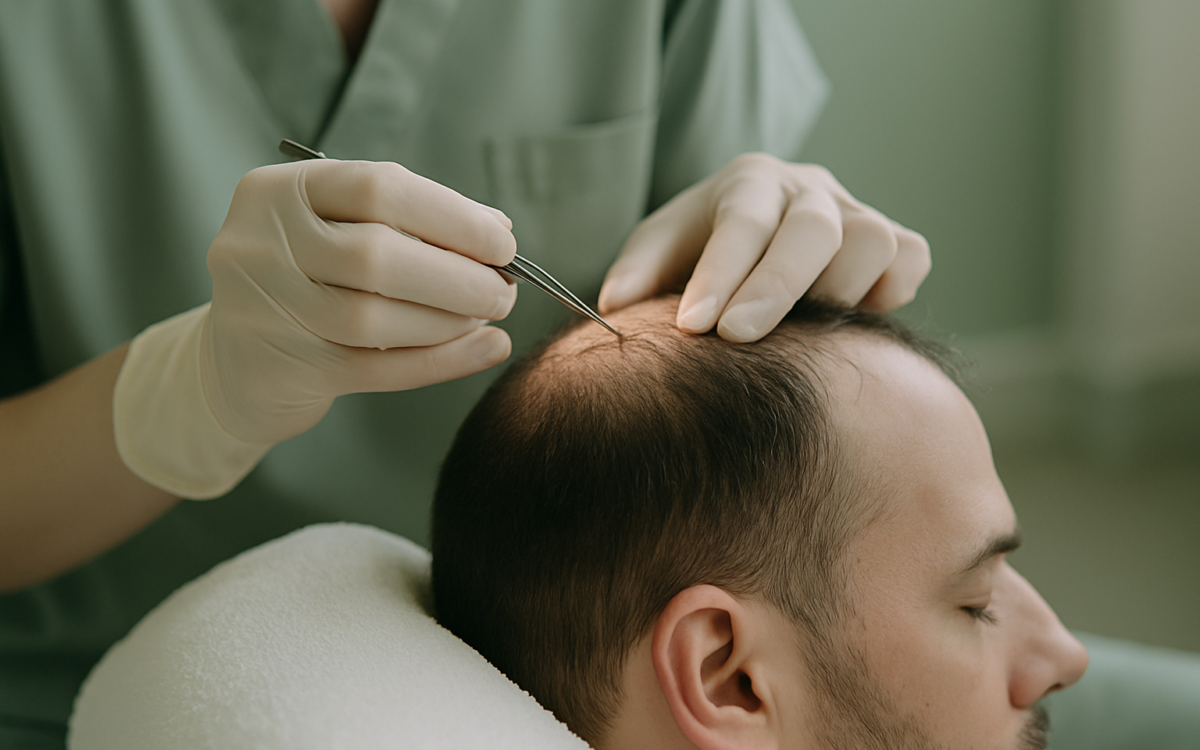
Hair loss can be a frustrating experience, affecting both how we feel about ourselves and how we present ourselves to the world. One solution many people are turning to is hair implants, also known as hair transplants. These procedures can restore hair growth in thinning areas and often lead to increased self-esteem. In this article, we will explore what hair implants are, how they work, their benefits, what to expect during the procedure, and tips for recovery.
What Are Hair Implants?
Hair implants are surgical procedures designed to restore hair in areas where it has thinned or fallen out. The most common type of hair transplant involves two techniques: Follicular Unit Transplantation (FUT) and Follicular Unit Extraction (FUE). Each method has its own unique process but aims to achieve the same end goal—natural-looking hair restoration.
How Do Hair Implant Procedures Work?
During a hair transplant, hair follicles are taken from a donor site, typically the back of the head, and implanted into the recipient site, where hair is thinning or missing. Here’s a closer look at the two main techniques:
- Follicular Unit Transplantation (FUT): In this method, a strip of skin containing hair follicles is removed from the donor area. The strip is then dissected into individual follicular units before being transplanted to the thinning area.
- Follicular Unit Extraction (FUE): This technique involves harvesting individual hair follicles directly from the scalp. This is done using a small punch device, and it generally leaves minimal scarring.
After harvesting and preparation, the surgeon will carefully implant the harvested follicles into tiny incisions in the affected areas. Most patients are awake during the procedure, which typically lasts between four to eight hours, depending on the amount of hair being transplanted.
Benefits of Hair Implants
Hair implants offer a variety of benefits:
- Permanent Solution: Unlike medications or topical treatments that may require ongoing use, hair implants provide a long-lasting solution for hair loss.
- Natural Appearance: When performed by a skilled surgeon, hair implants can look natural and blend seamlessly with existing hair.
- Boost in Confidence: Many people report significant improvements in their self-esteem and confidence after undergoing hair restoration.
- Minimal Downtime: While recovery is required, most patients can return to their normal activities within a few days.
What to Expect During the Procedure
Before your hair implant procedure, you will have a consultation with your surgeon. They may discuss your medical history, perform a scalp examination, and outline what to expect from the surgery. It’s important to ask questions and address any concerns you may have.
On the day of the procedure, local anesthesia will generally be administered to ensure you remain comfortable. After the surgery, you’ll receive care instructions, including how to care for your scalp and any medications you may need.
Immediately following the procedure, it is normal to experience some swelling and redness in the transplanted area. Scabs will form as the scalp heals, and over time, the transplanted hair will start to shed, with new hair growth typically beginning within a few months.
International Perspectives on Hair Restoration
Hair restoration options are available globally, and for some individuals, traveling abroad for treatment can be a viable option. Countries like Turkey and Mexico offer competitive pricing and experienced surgeons; however, it’s crucial to research and choose a reputable clinic. Acibadem International is one such organization that is known for its quality healthcare services, including hair restoration.
Whether you opt for local treatment or consider traveling for your procedure, ensure that the facility follows proper medical guidelines and offers experienced medical professionals.
Recovery and Aftercare
After undergoing hair implant surgery, your recovery is a critical phase. Here are some helpful tips to consider:
- Follow Care Instructions: Adhere strictly to post-operative care instructions provided by your surgeon. This may include avoiding strenuous activities, keeping the area clean, and applying medications as directed.
- Avoid Direct Sunlight: Protect your scalp from excessive sun exposure, especially in the weeks following the procedure.
- Stay Hydrated and Healthy: Drinking plenty of water and maintaining a healthy diet can support healing and promote hair growth.
Most people will notice initial hair shedding within the first few weeks, which is completely normal. New hair growth often appears after about three to six months, with final results becoming visible within a year.
When to See a Doctor
While most people recover well from hair implant procedures, it’s essential to be aware of potential complications. You should contact your doctor if you experience:
- Severe swelling or redness around the implant sites.
- Increased pain that does not improve with prescribed medications.
- Signs of infection, like pus or fever.
Your healthcare provider can help address any issues that arise and ensure the best outcome for your hair restoration journey.
In conclusion, hair implants can be an effective option for restoring lost hair and boosting your confidence. By understanding the procedures, benefits, and recovery process, you can take informed steps toward a happier, fuller head of hair.
