
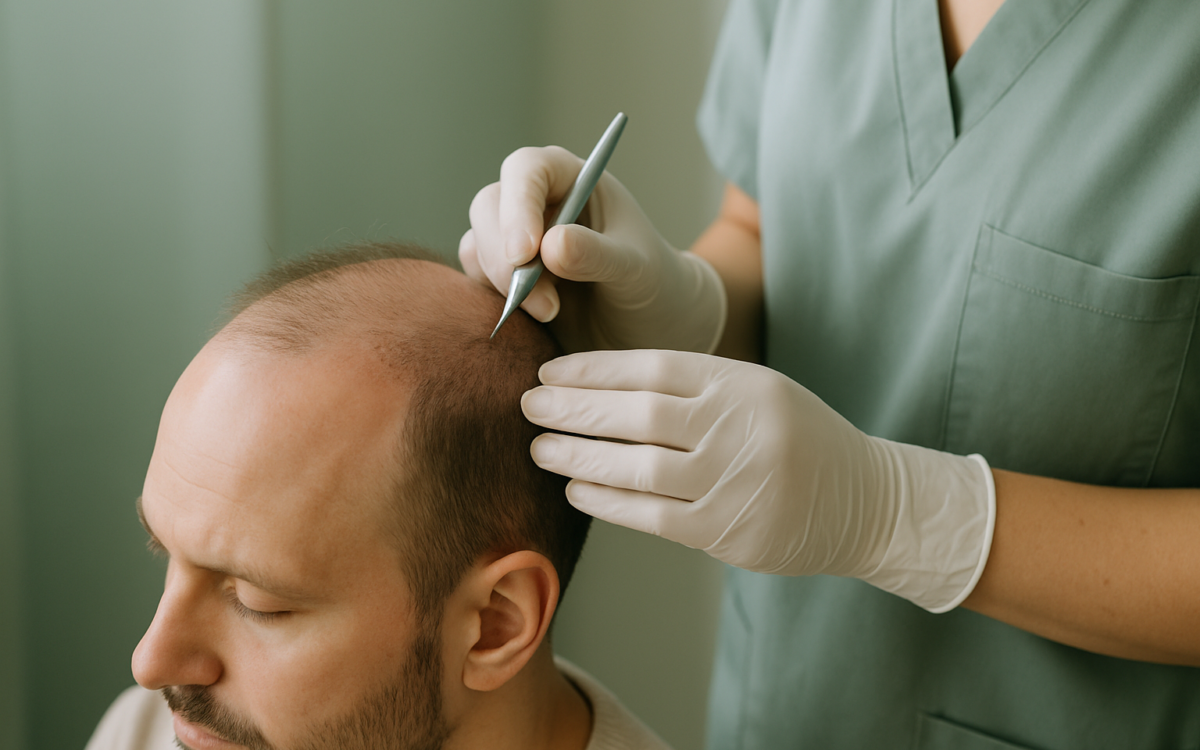
Many men experience hair loss as they age, which can impact their self-esteem and confidence. Hair implants for men have become an increasingly popular solution for addressing this common issue. In this article, we’ll explore the types of hair implants available, the procedures involved, recovery expectations, costs, and important considerations to keep in mind when thinking about hair restoration.
Understanding Hair Loss in Men
Before getting into hair implants, it’s essential to understand the causes of hair loss in men. The most common type is male pattern baldness, also known as androgenetic alopecia. According to the National Institutes of Health, about 50% of men over the age of 50 will experience some degree of hair loss. This is largely due to genetic factors and hormones.
What Are Hair Implants?
Hair implants, or more commonly known as hair transplants, involve taking hair follicles from one part of the body (usually the back of the head) and implanting them into areas experiencing thinning or baldness. There are two primary techniques for hair transplantation:
- Follicular Unit Transplantation (FUT): This method involves removing a strip of scalp from the donor area, which is then dissected into individual follicular units before being transplanted.
- Follicular Unit Extraction (FUE): In this method, individual hair follicles are extracted directly from the scalp without removing a strip of skin.
Both methods have their benefits and drawbacks, and your choice will depend on factors like hair loss extent, desired results, and the surgeon’s recommendation.
Benefits of Hair Implants
Many men opt for hair implants due to their numerous advantages:
- Natural appearance: Since the transplanted hair comes from your own scalp, it blends seamlessly with your existing hair.
- Permanent solution: Unlike topical treatments or medications, hair implants provide a long-lasting solution to hair loss.
- Minimal maintenance: Once your hair has fully grown in, you maintain it as you would with your natural hair.
What to Expect During the Procedure
The hair transplant procedure typically takes several hours to complete, depending on the amount of hair being transplanted. Here’s a basic overview of what you can expect:
- Consultation: Your surgeon will assess your hair loss, discuss your goals, and determine the best approach for you.
- Anesthesia: Local anesthesia will be administered to ensure you feel comfortable during the procedure.
- Harvesting: Hair follicles will be harvested using one of the techniques discussed earlier.
- Implanting: The harvested follicles are systematically placed into tiny incisions in the thinning areas of your scalp.
Recovery After Hair Implants
Understanding the recovery process is crucial for setting realistic expectations:
- Initial recovery: The first few days post-surgery may involve some discomfort, swelling, and redness.
- Activity restrictions: Most doctors recommend limiting physical activity for at least a week to ensure the best healing.
- Hair growth timeline: New hair typically begins to grow within three to four months, with full results visible around 12 months after the procedure.
It’s vital to follow your surgeon’s post-operative care instructions for optimal healing.
Considerations and Risks
While hair implants can offer significant benefits, there are also crucial considerations and potential risks:
- Cost: Hair transplants can be expensive, often ranging from $4,000 to $15,000 depending on the procedure and extent of hair loss.
- Results vary: Not everyone will achieve the desired results, and factors like hair type and scalp condition can influence outcomes.
- Side effects: Potential risks include infection, bleeding, and scarring. It’s essential to discuss these with your doctor.
Understanding these factors can help you make an informed choice about whether hair implants are right for you.
When to See a Doctor
If you are experiencing significant hair loss or are considering hair implants, it’s essential to consult a healthcare professional. They can provide personalized advice, evaluate your situation, and suggest the most appropriate treatments based on your medical history and hair loss pattern.
Conclusion
Hair implants can be a transformative solution for many men dealing with hair loss. By understanding the various procedures, benefits, and recovery process, you can feel more confident in making an informed choice. Remember to consult a healthcare provider to ensure that you receive individualized care tailored to your needs.
