
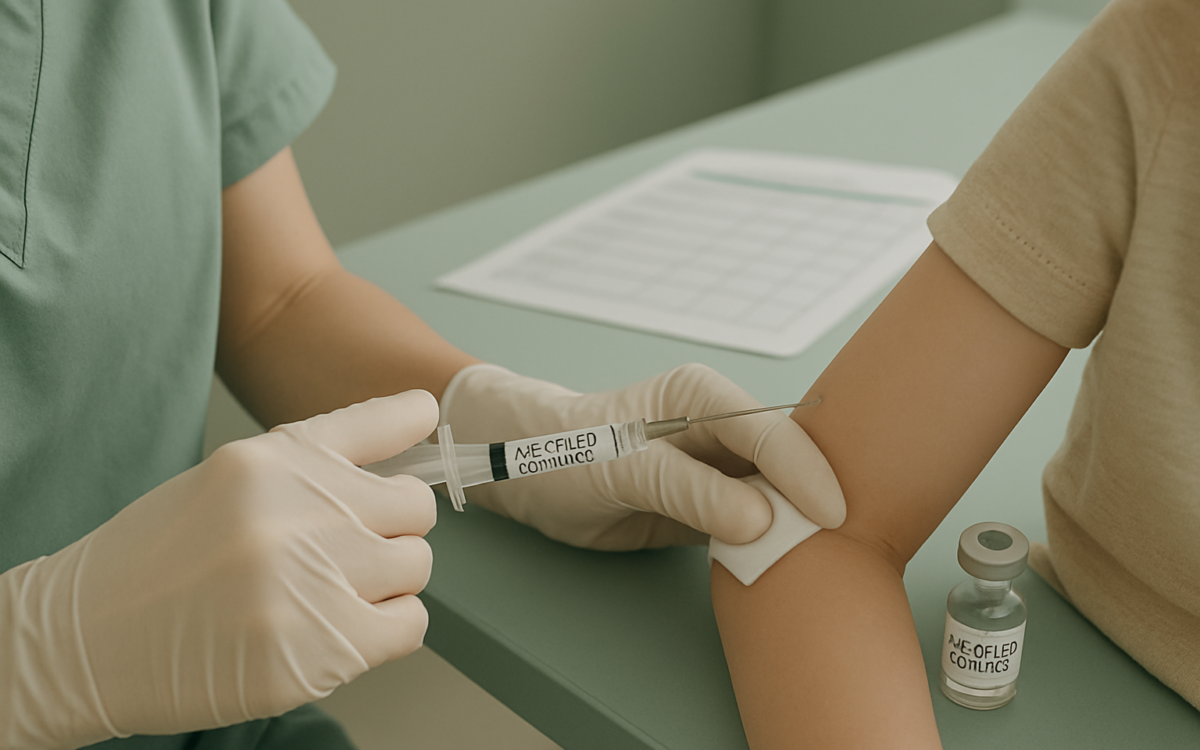
Measles is a highly contagious viral disease that can lead to serious health complications, including pneumonia, encephalitis, and even death. Thankfully, a safe and effective vaccine is available to prevent this illness. Understanding the measles vaccine schedule is crucial for protecting your children and the community.
What is the measles vaccine?
The measles vaccine is part of the MMR vaccine, which stands for measles, mumps, and rubella. This combination vaccine is given to children to prevent these serious diseases. The vaccine works by introducing a small, harmless piece of the virus into the immune system. This stimulates the body to develop immunity without causing the disease itself.
Why is the measles vaccine important?
Measles is one of the most contagious viruses known. In fact, if one person has measles, about 90% of people who are not immune and are in close proximity will also become infected. This can lead to outbreaks, especially in communities with low vaccination rates. According to the Centers for Disease Control and Prevention (CDC), the measles vaccine is effective in preventing the illness in nearly all vaccinated individuals. Vaccination not only protects the individual but also helps prevent the spread of measles within the community.
Measles vaccine schedule for children
The measles vaccine schedule typically follows these guidelines:
- First Dose: The first dose of the MMR vaccine is usually administered between 12 and 15 months of age.
- Second Dose: The second dose is generally given between 4 and 6 years of age, before a child enters school.
If you’re unsure whether your child has received these vaccinations on schedule, consult your pediatrician for guidance.
Catch-up vaccination
If your child is behind on vaccinations, it’s important to catch up as soon as possible. The CDC recommends that children aged 12 months and older receive the first dose of the MMR vaccine, even if they missed the initial timing. For school-aged children who need either dose, it’s never too late to get back on track. If your child missed their second dose, it can be administered at least 28 days after the first.
Measles vaccine for adults
While childhood vaccination is the norm, it’s essential for adults to ensure they are also protected against measles, especially those who are traveling internationally or working in healthcare settings. Adults born before 1957 are generally considered immune due to likely past exposure to the virus. However, if you’re unsure about your immunization status or were born after 1956, consider consulting your healthcare provider to see if you need the vaccine.
Special considerations
Pregnant women and individuals with certain health conditions may have specific vaccine considerations. For instance, the MMR vaccine is not recommended for pregnant women, and those with weakened immune systems should consult a doctor before getting vaccinated.
Common misconceptions about the measles vaccine
Despite the vast amount of research supporting the safety and efficacy of vaccines, misinformation persists. Here are a few common misconceptions debunked:
- Myth: The measles vaccine can cause autism.
- Fact: Numerous studies, including those published by the National Institutes of Health (NIH), have shown no link between vaccines and autism.
- Myth: Natural infection is better than vaccination.
- Fact: While natural infection can provide immunity, it carries the risk of serious complications.
When to see a doctor
If you or your child experience severe reactions after vaccination, such as high fever, rash, or allergies, it’s essential to consult a healthcare professional. Additionally, if you have health concerns about vaccinations or specific health conditions, it’s best to discuss them with a doctor.
Conclusion
Understanding the measles vaccine schedule is vital to protect not only your child but also the broader community. Vaccination is a shield against serious diseases like measles, and staying on track with the recommended schedule helps prevent outbreaks. Never hesitate to ask your healthcare provider questions about vaccinations and your family’s health. By ensuring everyone is vaccinated, we pave the way for a healthier future.
