
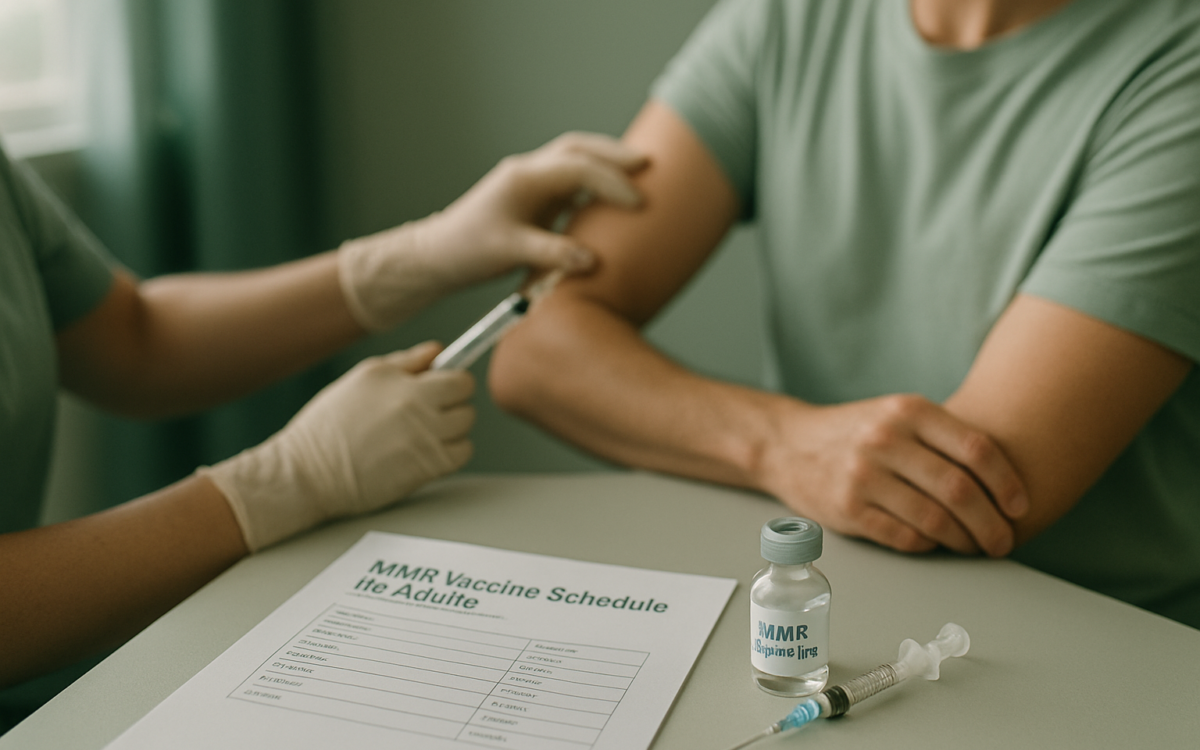
The MMR vaccine plays a crucial role in protecting individuals from three serious diseases: measles, mumps, and rubella. While many people receive this vaccine during childhood, adults also need to be aware of their vaccination status. Understanding the MMR vaccine schedule for adults can help ensure you are protected against these illnesses, which can lead to severe complications.
What Is the MMR Vaccine?
The MMR vaccine is a combination vaccine that protects against measles, mumps, and rubella. These viral infections can lead to serious health complications:
- Measles: This highly contagious disease can cause severe respiratory issues, ear infections, and even brain swelling. It can be fatal in some cases.
- Mumps: Mumps can lead to painful swelling, fever, and complications such as orchitis and infertility in males.
- Rubella: While rubella is usually mild in children, it can cause severe birth defects if a woman contracts it during pregnancy.
Why Are MMR Vaccines Important for Adults?
Many adults might think they are not at risk for these diseases, especially since they seem less common in countries with high vaccination levels. However, outbreaks can and do occur, often fueled by low vaccination rates. In addition, adults who have not been vaccinated or lack immunity can be at risk of these diseases, especially if they travel to countries where these infections are still prevalent.
Additionally, some adults may have weakened immunity due to age or medical conditions, making vaccination even more essential. By getting the MMR vaccine, adults help protect not only themselves but also the wider community.
MMR Vaccine Schedule for Adults
The MMR vaccine is generally administered in two doses. The recommended schedule for adults is as follows:
- First Dose: It is recommended that adults receive their first dose of the MMR vaccine at any time if they have not already done so.
- Second Dose: Adults should receive a second dose at least 28 days after the first dose if they are at high risk, such as those who work in healthcare or will be traveling internationally.
The Centers for Disease Control and Prevention (CDC) and the World Health Organization (WHO) encourage adults who have never been vaccinated or are unsure of their vaccination history to consult with healthcare providers for guidance. According to the CDC, it’s important to verify your vaccination status to determine if you need the MMR vaccine.
Who Should Get the MMR Vaccine?
There are specific groups of adults who should consider getting the MMR vaccine:
- Healthcare Workers: Individuals working in healthcare settings should be immune due to their risk of exposure.
- International Travelers: Those traveling to countries where measles, mumps, or rubella are still common should be updated on their vaccinations prior to departure.
- Women of Childbearing Age: Women planning to become pregnant should ensure they are immune, as these diseases can affect pregnant women and their unborn children.
What If You’re Not Sure About Your Vaccination History?
Many adults may wonder about their vaccination records. If you are unsure whether you received the MMR vaccine as a child, consider speaking with your doctor. They may recommend getting tested for immunity (a blood test) or administering the vaccine again, as it is safe to receive it even if you’ve had it previously.
For those seeking treatments or consultations abroad, facilities like Acibadem International offer valuable information on vaccinations and health services tailored to international travelers.
Possible Side Effects
Like any vaccine, the MMR vaccine can cause side effects, although these are usually mild and temporary. Common side effects may include:
- Mild fever
- Rash
- Joint pain (more common in women)
Serious side effects are rare but can occur. It’s essential to discuss any concerns with your healthcare provider before receiving the vaccine.
When to See a Doctor
After receiving the MMR vaccine, it is important to monitor any unusual symptoms. If you experience rapid swelling, high fever, or any severe allergic reactions, contact a healthcare professional immediately. Furthermore, if you have specific health conditions or concerns about your immune system, discuss your vaccination options with your doctor.
Conclusion
The MMR vaccine is an essential part of protecting public health. Staying informed about your vaccination status and the recommended schedule can help you remain safe from these diseases. Remember, it’s always wise to consult with your healthcare provider regarding vaccinations and to keep your immunizations up to date.
