
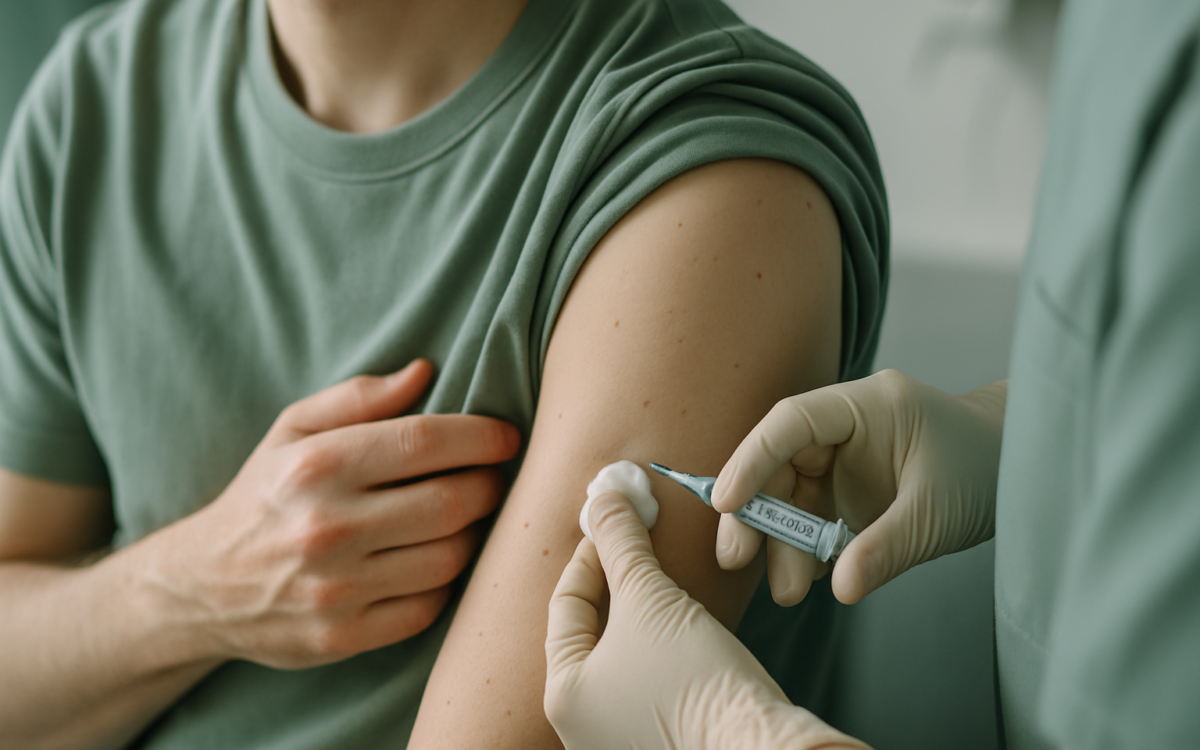
Varicella, commonly known as chickenpox, is often dismissed as a childhood illness. However, it’s essential for adults to understand their vulnerability to this contagious disease. Varicella immunization is an important consideration for adults, particularly those who have never had chickenpox. In this article, we’ll explore the importance of varicella immunization for adults, who should get vaccinated, the benefits of the vaccine, potential side effects, and much more.
Why Is Varicella Immunization Important for Adults?
While many adults may think they are immune to chickenpox because they had the disease during childhood, this is not always the case. Approximately 10% to 20% of adults who have had chickenpox may still develop shingles later in life due to the varicella-zoster virus reactivating in the body. Vaccination can provide a more robust immunity and reduce the risk of both chickenpox and shingles.
Who Should Consider the Varicella Vaccine?
Not all adults need to get vaccinated against varicella, but certain groups should definitely consider it:
- Adults without a history of chickenpox: If you’ve never had chickenpox, the varicella vaccine is recommended to help you avoid getting the disease.
- Healthcare workers: People working in healthcare settings should be vaccinated to protect themselves and their patients.
- Pregnant women: If you plan on becoming pregnant, it’s crucial to ensure you’re vaccinated beforehand, as chickenpox can pose serious risks during pregnancy.
- People planning international travel: If you’re traveling to regions where chickenpox is more common, vaccination is advised.
Benefits of Varicella Immunization
The varicella vaccine offers numerous benefits, not just for individual health but for community well-being:
- Prevents chickenpox: The vaccine is highly effective, typically providing immunity to 90% of those vaccinated.
- Reduces shingles risk: Immunity from the vaccine can also decrease the likelihood of developing shingles later in life.
- Minimizes outbreaks: Widespread vaccination helps create herd immunity, reducing the overall incidence of varicella in the community.
- Protects vulnerable populations: Higher vaccination rates help safeguard those who cannot be vaccinated, such as infants or people with certain medical conditions.
Understanding Side Effects
As with any vaccine, the varicella vaccine has potential side effects. However, most are mild and temporary. Common side effects include:
- Pain or redness at the injection site
- Low-grade fever
- Fatigue
- Minor rash
Serious side effects are rare. Vaccination is considered safe and usually outweighs the risks associated with the disease itself. If you have concerns about the vaccine or any side effects, be sure to consult with your healthcare provider.
Timing of Vaccination
The varicella vaccine is typically given in two doses. The first dose is recommended for children at 12 to 15 months, with a second dose between 4 to 6 years. For adults who have never been vaccinated, the vaccine is best administered at least 28 days apart. If you are an adult considering vaccination, discuss the appropriate timeline with your healthcare professional.
Frequently Asked Questions
Can I get chickenpox if I’ve been vaccinated?
Breakthrough varicella infections can occur in vaccinated individuals; however, these cases tend to be much milder, with fewer complications and shorter duration.
Do I need a blood test before getting the vaccine?
Your healthcare provider may recommend a blood test to check for immunity, especially if you are uncertain about your chickenpox history.
Is the vaccine effective for all adults?
While most healthy adults will derive benefit from the vaccine, its effectiveness may be lower in immunocompromised individuals.
When to See a Doctor
If you experience any unusual symptoms following vaccination, such as a high fever, difficulty breathing, or severe rash, seek medical attention promptly. Additionally, consult your healthcare provider if you are unsure about your vaccination status or have specific health concerns that might affect your ability to get vaccinated.
For more information, you can visit CDC’s varicella page or WHO’s fact sheet on chickenpox.
In conclusion, varicella immunization is a critical health measure for adults, especially those who have never had chickenpox. The benefits of vaccination far outweigh the risks and contribute to individual and community health. Make sure to discuss your vaccination options with your healthcare provider to ensure you are well-protected.
