
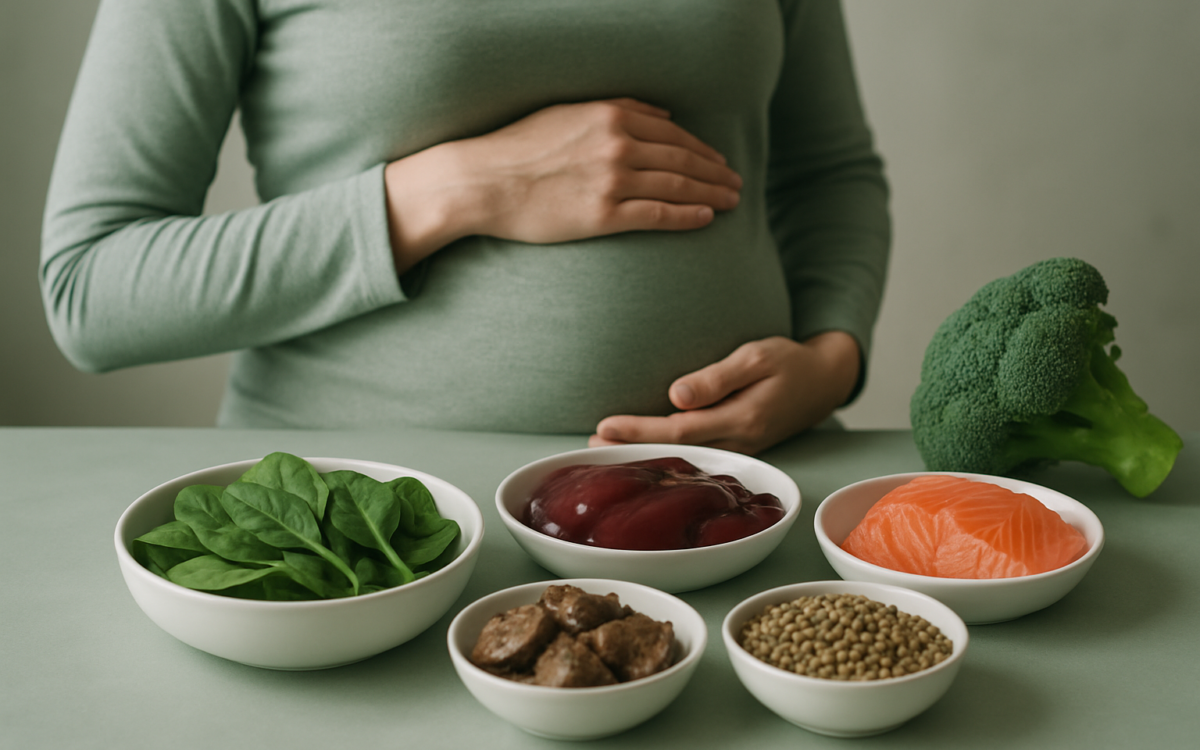
During pregnancy, a woman’s nutritional needs change significantly. One vital nutrient that requires extra attention is iron. Iron plays a crucial role in supporting both maternal and fetal health by aiding in red blood cell production and preventing anemia. In this article, we will explore various food options that are rich in iron and how to incorporate them into your diet to ensure you and your baby stay healthy.
Why Iron is Important During Pregnancy
Iron is essential for producing hemoglobin, a protein in red blood cells that carries oxygen to tissues and organs. During pregnancy, your body needs about 50% more iron to support the growing fetus and placenta. Insufficient iron intake can lead to iron deficiency anemia, which can increase the risk of fatigue, complications during delivery, and low birth weight in babies. The CDC highlights the importance of an iron-rich diet during this critical period.
Types of Iron: Heme vs. Non-Heme
There are two types of dietary iron: heme and non-heme. Heme iron is found in animal products and is better absorbed by your body, while non-heme iron is found in plant-based foods and fortified products. Understanding the difference can help you plan meals more effectively. Here’s a closer look:
- Heme Iron: Found in meat, poultry, and fish. Examples include beef, chicken, and tuna.
- Non-Heme Iron: Found in plants and supplements. Examples include beans, lentils, spinach, and fortified cereals.
Combining both sources in your dietary plan will help you meet your iron needs more effectively.
Iron-Rich Foods to Include in Your Diet
Here are some excellent foods rich in iron that pregnant women should consider adding to their meals:
1. Red Meat
Red meat, particularly beef and lamb, is one of the richest sources of heme iron. A small portion can provide a significant amount of the daily recommended intake. Opt for lean cuts to keep your overall fat consumption in check.
2. Poultry
Poultry, such as chicken and turkey, is another great source of heme iron. Dark meat usually contains more iron than white meat, so consider that when choosing your meals.
3. Seafood
Seafood such as clams, oysters, and sardines are also high in heme iron. These options not only boost your iron intake but also provide other essential nutrients like omega-3 fatty acids, which are beneficial for fetal brain development.
4. Beans and Legumes
For those following a plant-based diet, beans and legumes are excellent sources of non-heme iron. Chickpeas, lentils, and black beans can be included in various dishes, such as soups, salads, and stews.
5. Leafy Greens
Dark, leafy greens like spinach, kale, and Swiss chard contain non-heme iron. While the iron from these sources is not as easily absorbed, pairing them with vitamin C-rich foods, like citrus fruits or bell peppers, can enhance absorption.
6. Fortified Foods
Many breakfast cereals and breads are fortified with iron. Check labels to find those that provide a significant percentage of your daily value. These can be a convenient and easy way to boost your iron intake.
Meal Ideas for Incorporating Iron
Now that you know the foods rich in iron, here are some simple meal ideas:
- Breakfast: Start your day with a bowl of fortified cereal topped with sliced strawberries or orange segments.
- Lunch: Prepare a spinach salad with grilled chicken, chickpeas, cherry tomatoes, and a citrus vinaigrette.
- Dinner: Enjoy a stir-fry with beef, broccoli, and bell peppers served over quinoa or brown rice.
- Snacks: Snack on hummus with carrot sticks or a handful of almonds.
Experiment with these ideas to find what works best for your taste preferences.
Supplementing Iron: When It’s Necessary
While it’s best to obtain nutrients from whole foods, some women may require iron supplements during pregnancy, especially if they have been diagnosed with anemia. The Mayo Clinic suggests consulting with your healthcare provider to discuss whether supplementation is necessary and what type would be appropriate for you.
When to See a Doctor
If you experience symptoms such as extreme fatigue, shortness of breath, or pale skin during pregnancy, it’s important to consult your healthcare provider. They can assess your iron levels through blood tests and recommend dietary or supplemental changes as needed.
Conclusion
Maintaining an iron-rich diet during pregnancy is vital for both your health and the health of your baby. By including a variety of heme and non-heme iron sources, you can support your body’s increased needs and enjoy delicious, nutritious meals. Always consult your doctor if you have any concerns about your iron intake or overall nutrition during pregnancy.
