
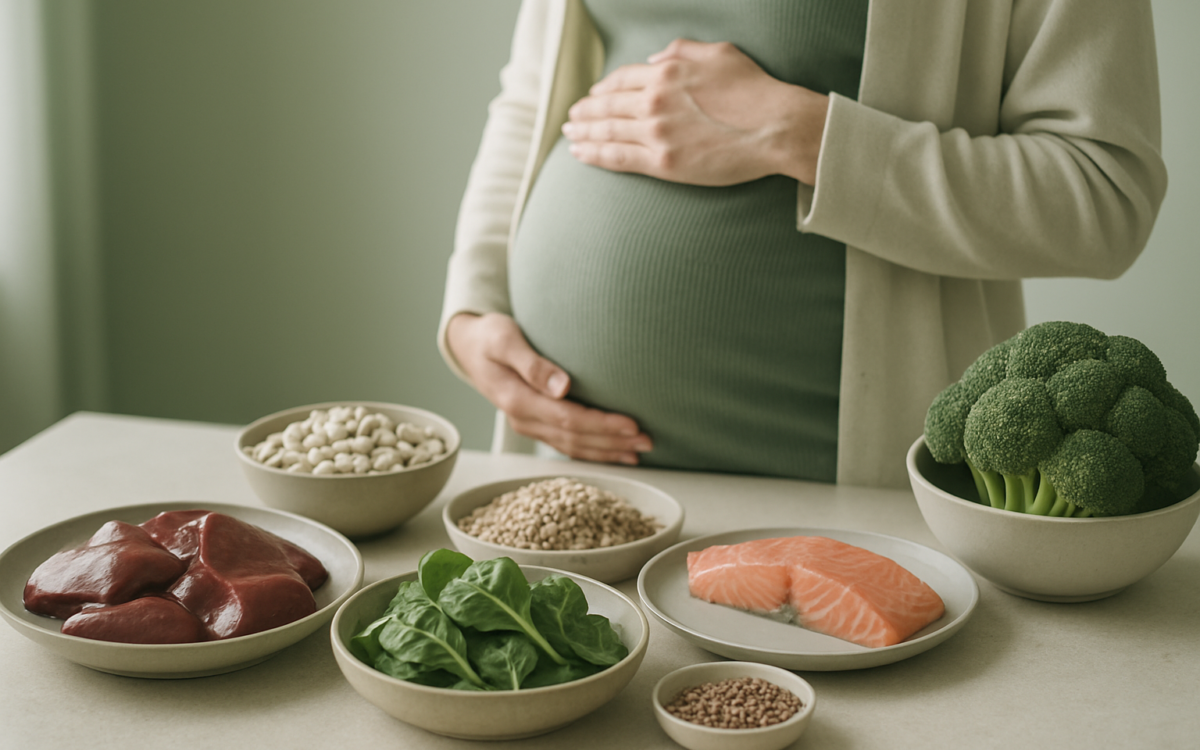
Pregnancy is an exciting and transformative time, bringing joy and anticipation. However, it also comes with numerous nutritional considerations to ensure both mother and baby thrive. One crucial nutrient that often requires special attention during this period is iron. Understanding the importance of iron and incorporating iron-rich foods into your diet can help support a healthy pregnancy and optimal fetal development.
Why Is Iron Important During Pregnancy?
Iron plays a vital role in several bodily functions. During pregnancy, your body requires more iron to support the growing fetus and placenta, as well as increased blood volume. Iron is essential for the production of hemoglobin, the protein in red blood cells that carries oxygen throughout the body. Insufficient iron can lead to iron-deficiency anemia, which can cause fatigue, weakness, and other health issues. According to the Centers for Disease Control and Prevention (CDC), pregnant women require about 27 mg of iron daily, compared to 18 mg for non-pregnant women.
Sources of Iron: Heme vs. Non-Heme
Iron is found in two forms: heme and non-heme. Heme iron is derived from animal sources and is more easily absorbed by the body, while non-heme iron comes from plant-based foods and is not absorbed as efficiently. Understanding these sources can help you optimize your iron intake during pregnancy.
Heme Iron Sources
- Red Meat: Beef and lamb are excellent sources of heme iron.
- Poultry: Chicken and turkey, especially dark meat, provide substantial amounts.
- Fish: Certain fish like salmon and tuna are good sources and offer healthy omega-3 fatty acids.
Non-Heme Iron Sources
- Legumes: Lentils, chickpeas, and beans are rich in non-heme iron.
- Nuts and Seeds: Pumpkin seeds and cashews are tasty options packed with iron.
- Whole Grains: Whole grain bread, oatmeal, and quinoa are beneficial for providing iron.
- Leafy Greens: Spinach, kale, and Swiss chard contain iron along with other vital nutrients.
- Dried Fruits: Apricots, raisins, and prunes can be sweet iron boosters.
The Role of Vitamin C in Iron Absorption
While consuming iron-rich foods is essential, it’s equally important to enhance iron absorption. Vitamin C is a powerful ally in this regard. When you combine vitamin C-rich foods with your iron sources, you can significantly improve your body’s ability to absorb non-heme iron. For instance, enjoy lentils with tomatoes, spinach with citrus fruits, or iron-fortified breakfast cereals with a glass of orange juice. Foods rich in vitamin C include:
- Citrus fruits (oranges, grapefruits)
- Bell peppers
- Strawberries
- Kiwis
- Broccoli
Iron Supplements: Do You Need Them?
Even with a balanced diet, some women may still require iron supplements during pregnancy, especially if they have been diagnosed with anemia or have dietary restrictions. It’s essential to consult your healthcare provider to discuss whether a supplement is necessary for you. According to the National Institutes of Health (NIH), iron supplements can effectively raise iron levels, but they may come with side effects, including constipation and nausea.
How to Incorporate More Iron into Your Diet
Boosting your iron intake doesn’t have to be complicated. Here are some practical ways to incorporate more iron-rich foods into your meals:
- Start Your Day Right: Choose an iron-fortified cereal, and top it with fruits rich in vitamin C.
- Focus on Lunchtime: Add lean meats or legumes to salads, and include a citrus-based dressing.
- Snacks Matter: Snack on nuts and dried fruits as a healthy pick-me-up.
- Dinner Delights: Prepare stir-fries with vegetables and tofu or beef for a delicious, iron-rich meal.
- Be Mindful: Avoid drinking tea or coffee close to mealtimes, as they can inhibit iron absorption.
When to See a Doctor
If you are concerned about your iron levels or believe you may be experiencing symptoms of anemia, such as excessive fatigue, dizziness, or shortness of breath, it’s important to consult your healthcare provider. They can assess your situation and recommend appropriate tests or treatments based on your individual needs.
In conclusion, ensuring that you consume adequate iron during pregnancy is crucial for both your health and your baby’s development. By incorporating a variety of iron-rich foods along with vitamin C sources, you can help support optimal absorption and minimize the risk of anemia. Always remember to consult your doctor if you have any concerns about your nutritional status and take proactive steps toward a healthy pregnancy.
