
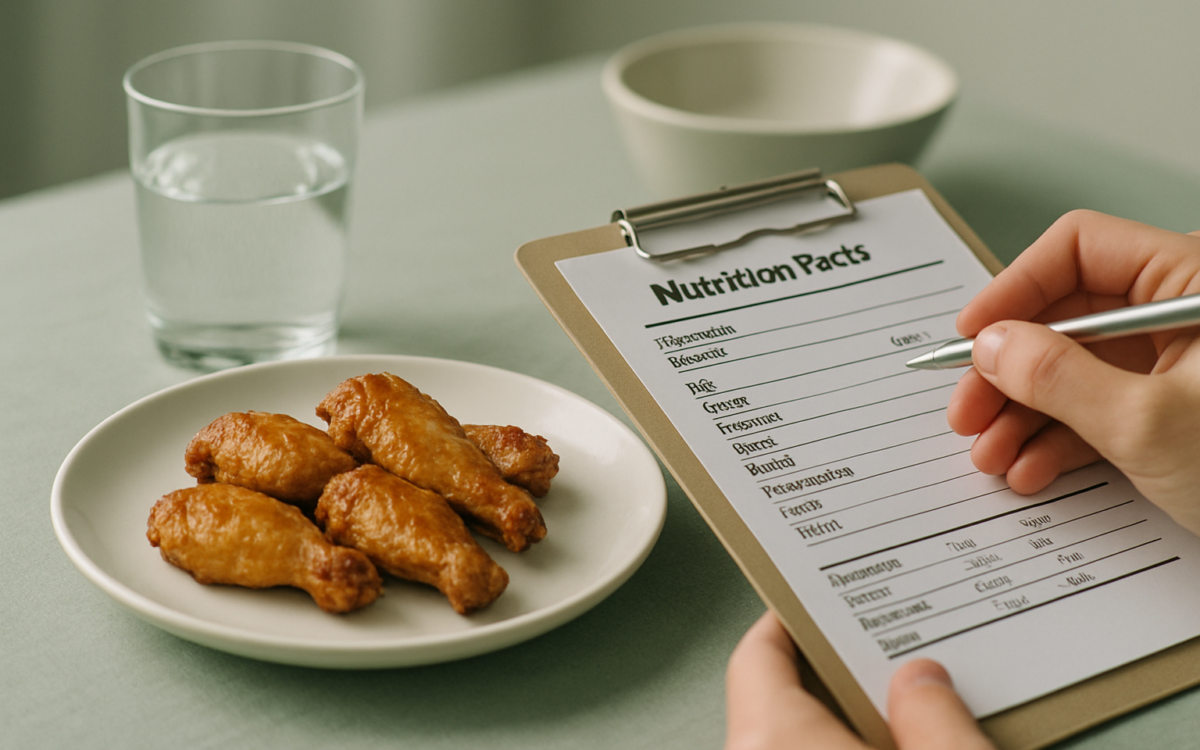
When it comes to comfort food, few items can compete with chicken wings. Whether it’s a backyard barbecue, a sports game, or a night in with friends, chicken wings are a staple. But have you ever wondered what you’re actually consuming when you snack on these flavorful bites? Understanding the nutritional information on chicken wings can help you enjoy them while making informed choices about your diet.
Nutritional Breakdown of Chicken Wings
Chicken wings come in various styles and preparations, but let’s start with the basics. A standard serving size of chicken wings, which is about four wings (approximately 100 grams or 3.5 ounces), has the following nutritional content:
- Calories: Approximately 430 calories
- Protein: About 30 grams
- Fat: Roughly 31 grams
- Carbohydrates: 0-1 gram (without breading)
- Sodium: Can range from 500 mg to over 1,000 mg depending on the preparation
These numbers can vary significantly based on how the wings are cooked and what sauces are used. For example, deep-fried wings will have more calories and fat than wings that are baked or grilled. If you’re wondering about the protein, chicken wings are a good source, providing about 30% of the daily recommended intake for adults in just a single serving.
Healthy Preparation Methods
While chicken wings can be a tasty treat, how you prepare them plays a big role in their nutritional profile. Here are some healthier cooking methods you can consider:
Grilling
Grilling chicken wings allows excess fat to drip away, leaving you with a leaner product. Plus, you can add delicious seasonings without the need for calorie-dense sauces.
Baking
Baking wings in the oven is another healthier alternative. Cooking them on a wire rack allows the fat to escape, keeping the wings crispy without the extra oil.
Air Frying
Air fryers use hot air to cook food, making them a great option for crispy chicken wings with less oil. They can provide a similar texture to frying but with fewer calories and fat.
Understanding Sauces and Flavors
The sauces that accompany chicken wings can significantly increase their calorie and sodium content. Traditional buffalo sauce, for instance, is primarily made of hot sauce and butter, leading to extra calories and fat intake. Here are some tips for choosing or making your sauces:
- Opt for Light Sauces: Consider using vinegar-based sauces or low-calorie sauces to add flavor without excess calories.
- Homemade Options: Making your own sauces can let you control the ingredients and avoid unnecessary additives.
- Herbs and Spices: Experimenting with herbs and spices can give wings a flavorful kick without adding calories.
Balancing Chicken Wings in Your Diet
Chicken wings can be part of a balanced diet when eaten in moderation. They can provide essential nutrients, but excessive consumption—especially fried or heavily sauced wings—can contribute to health risks such as obesity and heart disease. Here are some tips to keep your chicken wing consumption in check:
- Portion Control: Stick to a reasonable serving size to enjoy the flavor without overindulging.
- Pairing with Healthy Sides: Consider pairing wings with fresh vegetables, salads, or whole grains to create a more balanced meal.
- Stay Active: Maintain an active lifestyle to balance your consumption of higher-calorie foods.
Potential Health Concerns
While chicken wings can be enjoyed as part of a healthy diet, several health concerns are linked to frequent consumption, especially when prepared unhealthily:
- High Sodium Levels: Many sauces contain high levels of sodium, which can lead to increased blood pressure. A diet high in sodium can potentially increase the risk of heart disease and stroke. It’s essential to check nutrition labels and choose lower-sodium options when possible.
- Unhealthy Fats: Fried chicken wings are high in unhealthy saturated and trans fats. Consuming too much of these fats can increase cholesterol levels and heart disease risk.
As always, if you have concerns about your dietary choices or health, consult your healthcare provider for personalized advice.
When to See a Doctor
If you’re experiencing any health issues such as increased blood pressure, unexplained weight gain, or digestive concerns, it’s important to consult with your doctor. Regular check-ups can help monitor your health, especially if you have existing conditions like heart disease or diabetes.
Conclusion
Chicken wings can be a flavorful part of your diet when understood in terms of nutrition. By opting for healthier cooking methods, being mindful of sauce and portion size, and balancing your meals, you can savor this popular dish without compromising your health. Next time you’re at a gathering and see those wings on the table, you’ll be equipped with the knowledge to enjoy them wisely!
For further accurate nutritional information, you can visit the National Institutes of Health here or explore guidelines from the World Health Organization.
