
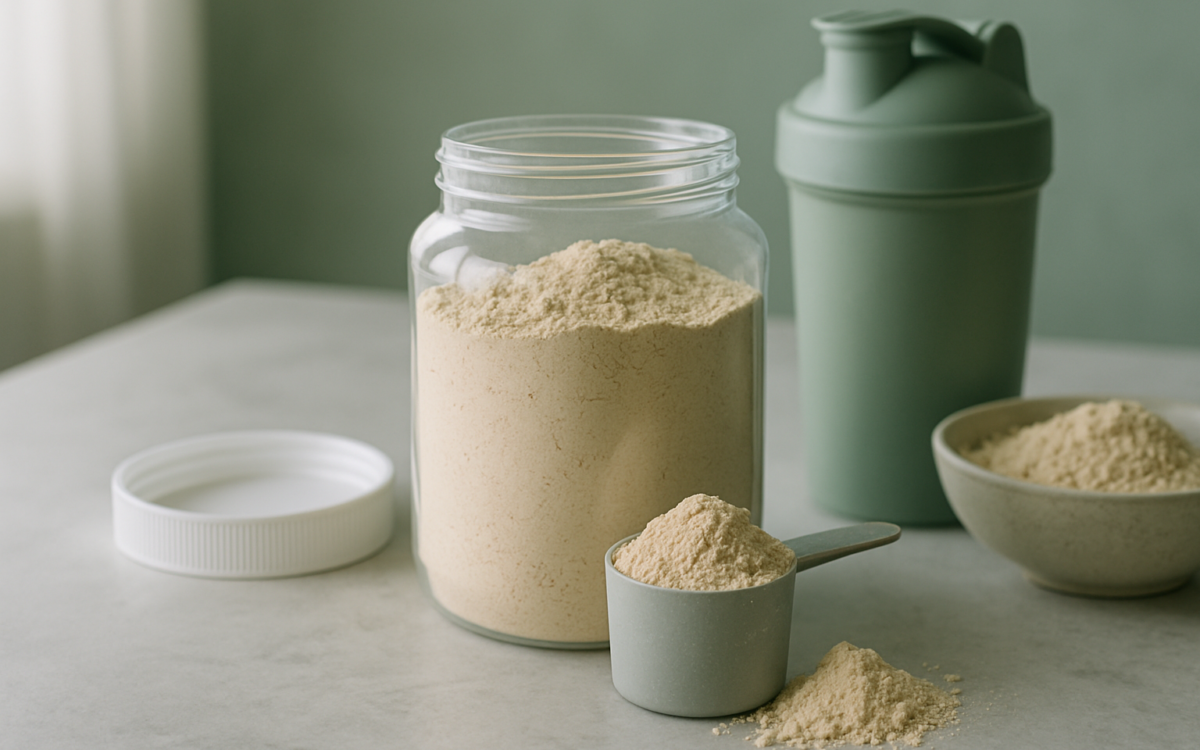
If you’re a fitness enthusiast or someone looking to supplement their diet, protein powder might be a staple in your cupboard. But like all dietary products, you might find yourself wondering: can protein powder go bad? Understanding how protein powder can spoil is essential for maintaining your health and making the most of your nutrition.
What is protein powder and how is it made?
Protein powder is a popular dietary supplement made from various protein-rich foods such as whey, casein, soy, pea, or rice. These powders are concentrated sources of protein, often used to support muscle repair, aid in weight loss, or contribute to daily protein intake. The process of making protein powder typically involves isolating the protein from its source, then drying it to create a powder. Despite being processed, protein powder can still be affected by time and conditions.
How long does protein powder last?
Most protein powders come with a shelf life of about 1-2 years when stored correctly. This shelf life is usually indicated by a “best by” date on the packaging. It’s important to know that this date refers to quality rather than safety; protein powder can still be safe to consume after this date, although it might not taste as fresh or be as effective.
Signs that protein powder has gone bad
Identifying spoiled protein powder can save you from consuming something that may upset your stomach or be less beneficial:
- Smell: Fresh protein powder has a mild, neutral scent. If it has a rancid or off smell, it may be a sign that it’s gone bad.
- Color: Look for any discoloration. If the powder has changed color significantly, it might indicate spoilage.
- Texture: Protein powder should be smooth and fine. If it clumps together or has a gritty texture, moisture may have contaminated it.
- Taste: If you’re brave enough to try it, a bitter or strange taste may signal that it has spoiled.
Storing protein powder properly
To maximize the shelf life of your protein powder, proper storage is essential. Here are some tips to keep your protein powder fresh:
- Keep it sealed: Always store your protein powder in its original container with the lid tightly closed. This helps avoid exposure to air and moisture.
- Choose a cool, dry place: Heat, humidity, and sunlight can negatively affect protein powder. A pantry or cupboard away from direct sunlight is ideal.
- Use a scoop: When scooping out protein powder, avoid using wet utensils. Moisture can lead to clumping and spoilage.
If you’re considering traveling or seeking treatment for specific dietary needs, such as treatment in Turkey, be mindful of how you pack and store protein powder as well. Different climates can impact its integrity, so it’s crucial to make adjustments based on the local environment.
Can protein powder cause health issues if consumed past its expiration date?
Consuming protein powder past its expiration date is not guaranteed to cause harm, but it may lead to gastrointestinal discomfort if the powder is spoiled. As proteins break down, they can potentially harbor bacteria or mold, which can lead to foodborne illnesses. It’s always wise to err on the side of caution and avoid consuming anything that shows signs of spoilage.
Alternatives to protein powder
If you’re concerned about the quality or safety of protein powder, there are many natural protein sources you can consider. Foods like chicken, fish, eggs, dairy products, legumes, nuts, and whole grains provide essential protein without the added concern of spoilage that comes with powders. Incorporating a variety of these foods into your diet can help ensure you meet your protein needs safely.
When to see a doctor
If you experience any adverse effects after consuming protein powder, such as nausea, vomiting, diarrhea, or abdominal pain, consult your healthcare provider. They can help determine whether the symptoms are related to the protein powder or if there is another underlying issue.
In summary, while protein powder can potentially last up to two years, taking the right steps to store it properly is crucial. Always check for signs of spoilage before use, and do not hesitate to seek alternatives if you’re ever in doubt.
