
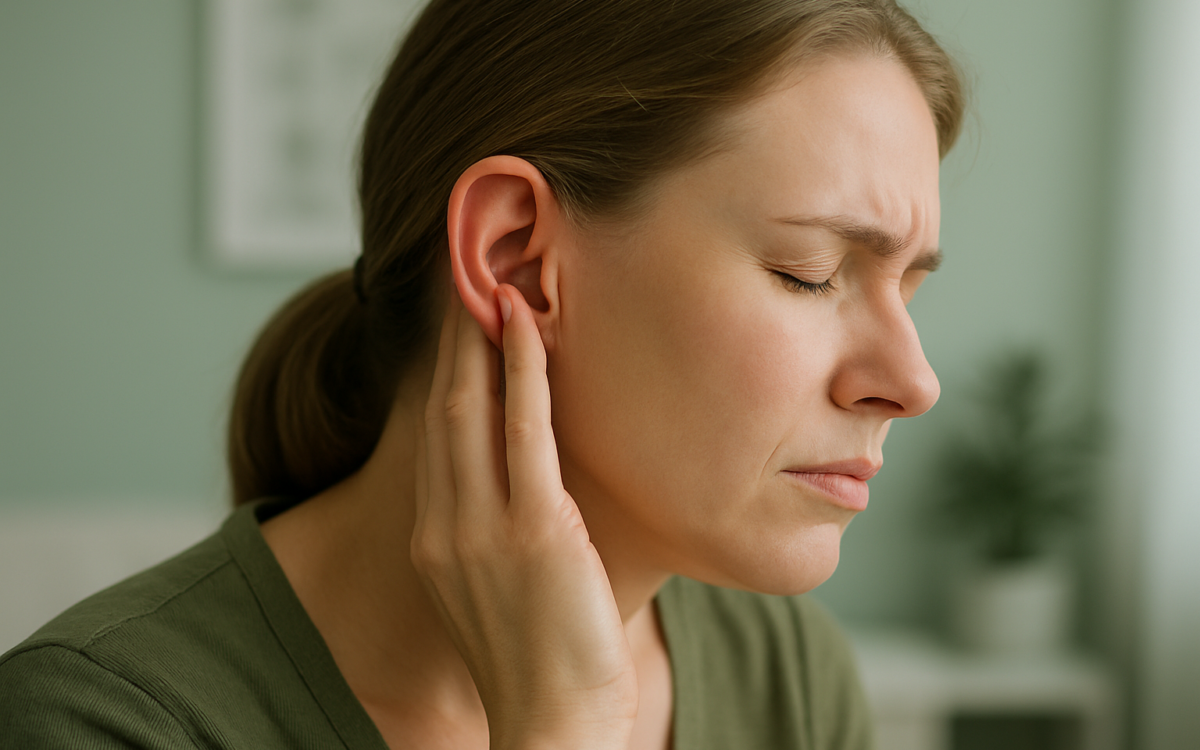
Ear congestion is a common yet often misunderstood condition that affects millions of people. It occurs when the Eustachian tubes, which connect the middle ear to the back of the throat, become blocked or swollen. This blockage can lead to a feeling of fullness or pressure in the ears, which can be uncomfortable and sometimes painful. Understanding the causes of ear congestion and how to alleviate it can help you regain comfort and maintain your ear health.
What Causes Ear Congestion?
Ear congestion can arise from various factors, many of which are related to changes in pressure within the ear or inflammation. Some of the most common causes include:
- Allergies: Allergic reactions can cause inflammation in the nasal passages and Eustachian tubes, leading to congestion.
- Infections: Ear infections, sinus infections, and colds can also cause fluid buildup, leading to pressure in the ears.
- Environmental Factors: Sudden changes in altitude, such as during air travel or driving through mountainous areas, can affect ear pressure.
- Wax Buildup: Earwax blockage can prevent the natural drainage of fluids and contribute to a feeling of fullness.
Recognizing Symptoms of Ear Congestion
Understanding the symptoms of ear congestion can help you identify the condition early. Common signs include:
- A feeling of fullness or pressure in the ear
- Popping or clicking sounds when swallowing or yawning
- Reduced hearing ability
- Discomfort or mild pain in the ear
- Sometimes, dizziness or balance issues
If you experience any of these symptoms, it’s essential to consider the potential underlying causes and treatment options.
Home Remedies for Ear Congestion
Many individuals find relief from ear congestion through simple home remedies. Here are a few effective strategies:
- Stay Hydrated: Drinking plenty of fluids can thin out mucus and promote drainage with the help of Eustachian tube function.
- Steam Inhalation: Inhaling steam from a hot shower or a bowl of hot water can help relieve nasal congestion and reduce pressure in the ears.
- Warm Compress: Applying a warm cloth or heating pad over the affected ear can also alleviate discomfort and promote fluid drainage.
- Yawning or Swallowing: Activities like yawning or swallowing can help equalize pressure in the ears and open up the Eustachian tubes.
- Over-the-Counter Medications: Antihistamines or decongestants may help if allergies or nasal congestion is the cause. Always consult a healthcare professional before taking any medications.
When to Seek Professional Help
While most cases of ear congestion are temporary and manageable at home, there are certain instances when you should see a doctor. Consider seeking medical attention if you experience:
- Persistent ear pain lasting more than a couple of days
- Fever accompanied by ear symptoms
- Signs of hearing loss that interfere with daily life
- Fluid draining from the ear
- Dizziness or balance problems that impact mobility
Healthcare professionals can help diagnose the root cause of your ear congestion and recommend appropriate treatment options. Conditions like acute otitis media or Eustachian tube dysfunction may require medical intervention.
Preventive Measures for Ear Health
Taking steps to prevent ear congestion can improve your ear health and minimize discomfort. Some preventive measures include:
- Avoid Allergens: If you have known allergies, try to avoid triggers that can cause nasal congestion and inflammation.
- Practice Good Hygiene: Regular handwashing can help lower the risk of infections that might lead to ear congestion.
- Manage Colds Effectively: Treating cold symptoms promptly can help prevent complications like ear infections or sinus issues.
- Limit Smoking Exposure: Smoke can irritate the respiratory tract and lead to increased risks of ear problems. Keeping a smoke-free environment is beneficial.
Conclusion
Ear congestion is a common issue that can result from various factors, including allergies, infections, and environmental changes. While home remedies can be effective in alleviating symptoms, knowing when to seek medical advice is crucial for your ear health. By understanding the causes and implementing preventive measures, you can enhance your overall ear health and well-being. For more information on ear health and associated conditions, visit reputable sources like the CDC and Mayo Clinic.
