
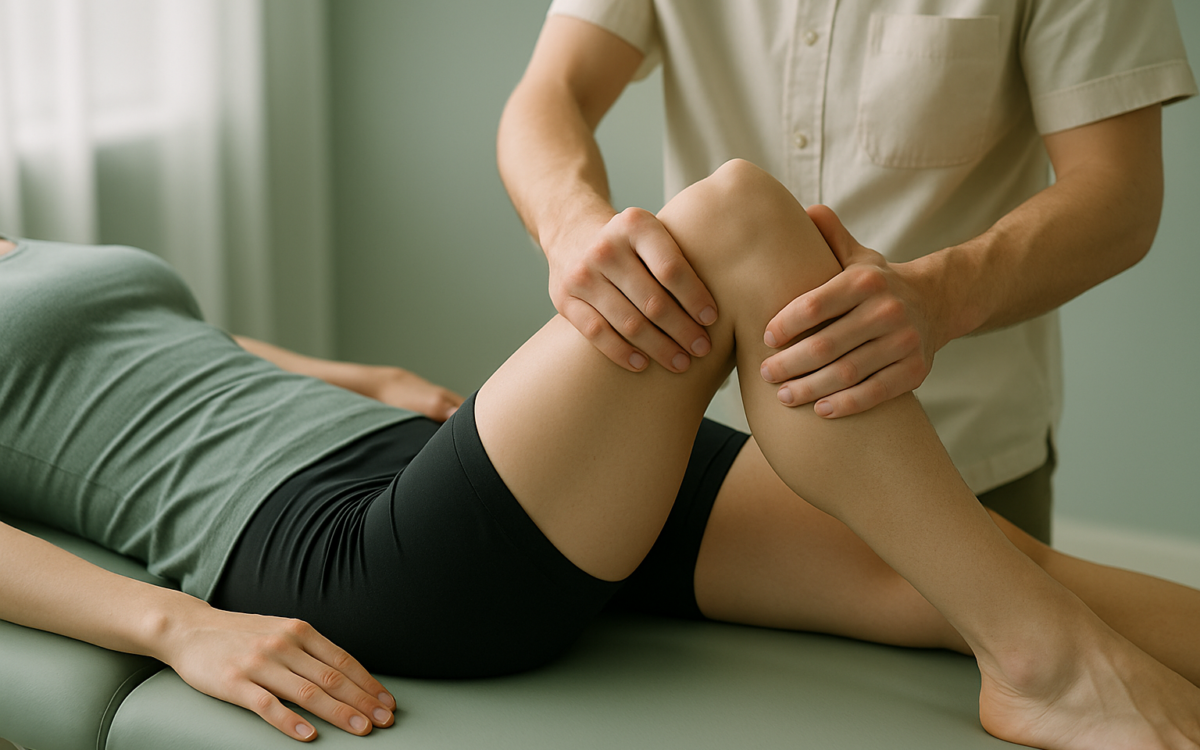
The hip joint is a marvel of anatomy, allowing for a wide range of movements. Among its many functions, the hip external rotators play a crucial role in ensuring stability, balance, and mobility. Understanding these muscles can help you improve your movement patterns and prevent injuries. In this article, we’ll delve into the anatomy of the hip external rotators, their importance, common issues associated with them, and ways to strengthen and care for these essential muscles.
Understanding Hip Anatomy
To appreciate the role of the hip external rotators, it’s helpful to understand the hip joint’s anatomy. The hip is a ball-and-socket joint formed where the femur (thigh bone) meets the acetabulum of the pelvis. This unique structure allows for a vast range of motion—everything from walking to bending and rotating.
The hip external rotators are a group of muscles located in the gluteal region and deep within the hip. The primary external rotators include:
- Piriformis
- Gemelli (superior and inferior)
- Obturator internus
- Quadratus femoris
- Gluteus maximus (partially)
The Functions of Hip External Rotators
The hip external rotators are essential for various functions:
- Stability: They help stabilize the pelvis and thigh during movement, which is crucial for maintaining balance.
- Mobility: These muscles enable the outward rotation of the hip. This motion is essential in activities such as walking, running, and climbing.
- Posture: Proper functioning of the hip external rotators contributes to good posture, which can affect lower back health and overall well-being.
Importance in Daily Activities
Everyday activities rely on the strength and flexibility of the hip external rotators. For instance, when you take a step, the external rotators help control the position of your knee and foot, ensuring you walk smoothly and without wobbling. They are also vital in sports activities, including soccer and basketball, where swift direction changes and stability are necessary.
People who engage in repetitive movements, such as runners or cyclists, may especially benefit from strengthening these muscles. Strengthening the hip external rotators can lead to improved performance and a lower risk of injury. The National Institutes of Health emphasizes the connection between muscle strength and mobility, highlighting that stronger muscles improve overall function.
Common Issues Related to Hip External Rotators
Despite their importance, hip external rotators can be a common source of pain and dysfunction. Common issues include:
- Piriformis Syndrome: This occurs when the piriformis muscle spasms and compresses the sciatic nerve, causing pain or numbness in the buttocks.
- Weakness: Weak hip external rotators can lead to poor stability during movement, resulting in increased risk for injuries such as hip strain, knee pain, or lower back issues.
- Inflexibility: Tight hip external rotators can restrict movement, leading to discomfort and compensatory patterns that put stress on other areas of the body.
Strengthening Hip External Rotators
Incorporating exercises that target the hip external rotators into your fitness routine can enhance mobility and strength. Here are some effective exercises:
1. Clamshells
This exercise targets the gluteus medius and external rotators.
1. Lie on your side with your legs stacked and knees bent at a 45-degree angle.
2. Keeping your feet together, lift your top knee as high as you can while keeping your pelvis stable.
3. Lower your knee back to the starting position.
4. Perform 10-15 repetitions on each side.
2. Seated External Rotations
A great way to isolate the hip external rotators while seated.
1. Sit upright with your feet flat on the ground.
2. Place your hands on the edge of the seat for support.
3. Rotate one foot outward, keeping your knee stable and moving only at the hip.
4. Return to the starting position and repeat for 10-15 repetitions on each side.
3. Standing Hip External Rotation
This exercise can enhance your balance and engage your core.
1. Stand on one leg with a slight bend in the knee.
2. Rotate the other leg outward at the hip, maintaining a straight knee.
3. Hold for a few seconds, then return to the center.
4. Repeat for 10-15 repetitions on each side.
Stretching the Hip External Rotators
In addition to strengthening, it’s essential to stretch the hip external rotators to maintain flexibility. Here are two recommended stretches:
1. Pigeon Pose
This popular yoga pose effectively stretches the hip external rotators.
1. Begin in a tabletop position on your hands and knees.
2. Bring one knee forward, placing it behind your wrist while extending the other leg back.
3. Lower your hips towards the ground, keeping your chest lifted.
4. Hold for 30 seconds, then switch sides.
2. Figure Four Stretch
A simple stretch that you can do while lying down.
1. Lie on your back with your knees bent.
2. Cross one ankle over the opposite knee.
3. Gently pull the uncrossed leg toward your chest.
4. Hold for 30 seconds and switch sides.
When to See a Doctor
If you’re experiencing persistent pain or discomfort in your hip or buttocks, or if you notice weakness that affects your mobility, consult a healthcare professional. Early intervention can help prevent further complications and improve your quality of life. Conditions like piriformis syndrome or injury resulting from biomechanics issues can often be addressed with appropriate guidance.
For those who actively engage in sports or have physically demanding jobs, seeking advice from a physical therapist can tailor exercises specifically to your needs, enhancing both strength and flexibility.
Understanding and caring for your hip external rotators can significantly impact your overall body mechanics, leading to better movement patterns and a reduced risk of injury. With regular strengthening and stretching exercises, you can enhance your mobility and enjoy a more active lifestyle.
