
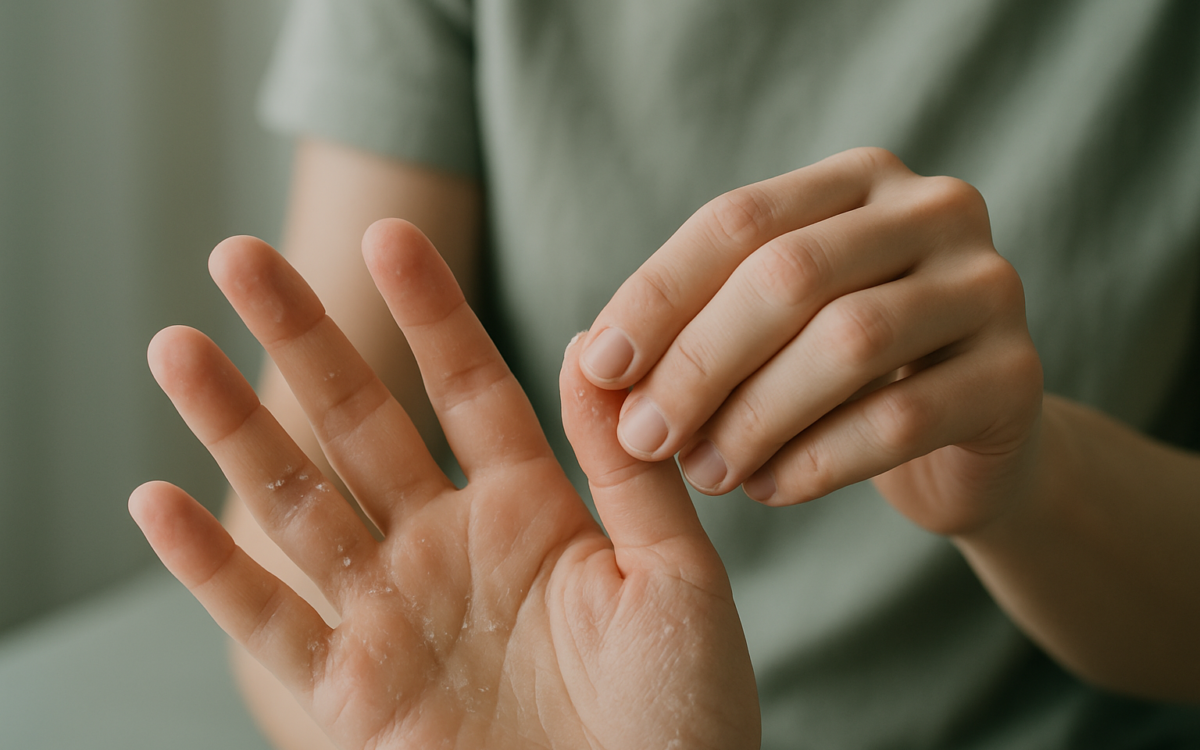
Skin peeling on your fingers can be unsettling, and it often raises questions about what might be causing it. This condition can occur for a variety of reasons, ranging from mild irritation to signs of an underlying health issue. Understanding the common causes and effective management strategies can help you address the problem and soothe your skin.
What Causes Skin Peeling on Fingers?
There are several reasons why the skin on your fingers might start to peel. Here are some of the most common causes:
- Dry Skin: One of the most frequent culprits, dry skin can lead to flaking and peeling. This condition is often exacerbated by environmental factors, such as cold weather or low humidity.
- Allergic Reactions: Allergies to certain soaps, detergents, or even specific foods can result in skin irritation and peeling. Contact dermatitis is a related condition that occurs when your skin reacts to allergens or irritants.
- Infections: Fungal or bacterial infections can lead to peeling skin, especially if the skin is also inflamed or infected. These infections require specific treatments.
- Pezcalates: Conditions like psoriasis or eczema can cause areas of peeling skin. These are chronic skin disorders that may require ongoing management.
- Vitamin Deficiencies: Lack of certain vitamins, particularly B vitamins and Vitamin A, can contribute to skin problems, including peeling.
- Excessive Hand Washing: Frequent hand washing, especially with harsh soaps, can strip your skin of natural oils, leading to dryness and peeling.
How to Identify the Type of Peeling
Recognizing the specific characteristics of the peeling can help you determine its cause. For instance, if peeling is accompanied by redness and itching, it may be related to eczema or an allergic reaction. On the other hand, patches of dry, flaky skin without inflammation may indicate dehydration or environmental exposure.
Keep an eye on the following signs:
- Color Change: Is the affected area red, or does it appear lighter than surrounding skin?
- Texture: Is the peeling accompanied by bumps, blisters, or a scaly texture?
- Location: Are the peeling areas isolated or widespread?
Treatment Options for Skin Peeling
Depending on the cause of your skin peeling, several treatment options may be applicable. Here are some effective strategies:
1. Moisturizing
Using a good moisturizer is essential, especially if your skin is dry. Look for products that contain ingredients like ceramides or hyaluronic acid, which help to restore moisture.
2. Avoiding Irritants
Identify and reduce contact with products that might be causing irritation. Opt for hypoallergenic soaps and detergents, and consider wearing gloves when washing dishes or doing housework.
3. Treatment for Infections
If an infection is suspected, a healthcare provider may recommend antifungal or antibacterial treatments. It’s essential to treat infections promptly to prevent them from worsening.
4. Dietary Considerations
Incorporating more fruits, vegetables, and whole grains into your diet can improve skin health. Vitamins A and B, found in foods like carrots, leafy greens, and whole grains, play vital roles in maintaining healthy skin.
5. Limiting Water Exposure
Try to limit the amount of time your hands are submerged in water and dry them thoroughly afterward. Consider using barrier creams to protect your skin if you know you’ll be in wet conditions.
Home Remedies for Skin Peeling
In addition to standard treatments, many people find relief through home remedies. Here are a few simple approaches you can try:
- Coconut Oil: Known for its moisturizing properties, coconut oil can help soothe dry skin and promote healing.
- Aloe Vera: Applying pure aloe vera gel can provide cooling relief and promote skin recovery.
- Oatmeal Baths: Taking a bath with colloidal oatmeal can help hydrate and soothe irritated skin.
Preventing Skin Peeling
Preventative measures can go a long way toward maintaining healthy skin on your fingers. Here are some helpful tips:
- Use hand moisturizer regularly, especially after washing your hands.
- Wear gloves during harsh weather conditions and when using cleaning products.
- Stay hydrated by drinking plenty of water throughout the day.
- Avoid excessive and hot showers, which can strip skin moisture.
When to See a Doctor
If your skin peeling is persistent, severe, or accompanied by symptoms like pain, swelling, or signs of infection (such as fever or increasing redness), it’s important to consult a healthcare professional. Conditions that require medical evaluation may include eczema, psoriasis, or infections that need specific treatments. You can access more information about skin issues from reputable sources like the National Institutes of Health or the Centers for Disease Control and Prevention.
Ultimately, skin peeling on fingers can arise from various sources. Understanding its causes and taking appropriate action can help you manage this condition effectively and maintain the health of your skin.
