
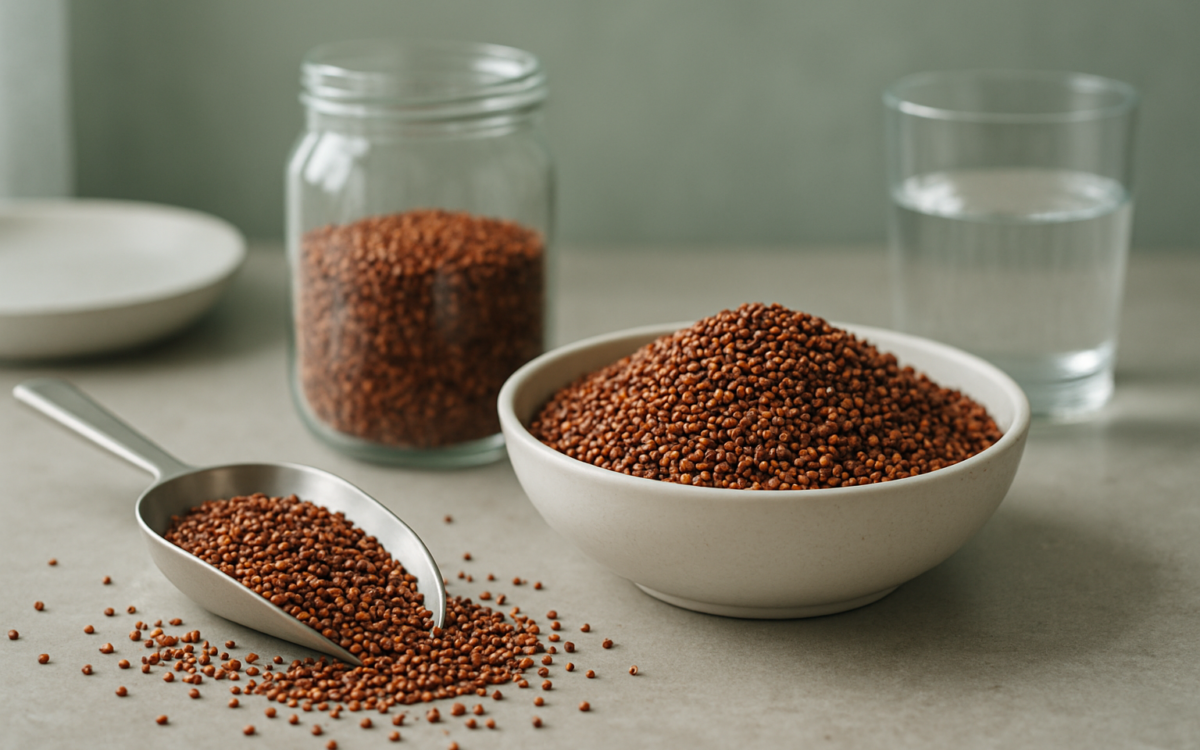
In recent years, quinoa has gained a reputation as a superfood, and for good reason. Among the various types of quinoa, red quinoa stands out for its unique flavor, eye-catching color, and impressive nutritional profile. This ancient grain has been a staple in South American diets for thousands of years, and it’s making its way into modern kitchens across the globe. Whether you’re looking to add more nutrient-rich foods to your diet or simply want to try something new, red quinoa might just be the ingredient you need.
The Nutritional Powerhouse of Red Quinoa
Red quinoa is not only visually appealing, but it’s also a nutritional powerhouse. Here’s a closer look at its benefits:
- High in Protein: Red quinoa is an excellent source of protein, containing all nine essential amino acids. For those following a vegetarian or vegan diet, it’s a perfect protein substitute.
- Rich in Fiber: It boasts a high fiber content, which is essential for digestive health. Fiber aids in maintaining a healthy weight, regulating blood sugar levels, and promoting heart health.
- Full of Antioxidants: Red quinoa is packed with antioxidants such as flavonoids, which can help combat oxidative stress in the body.
- Gluten-Free: Naturally gluten-free, it is a fantastic grain alternative for those with gluten sensitivities.
- Vitamins and Minerals: It is rich in essential vitamins and minerals, including magnesium, iron, and B vitamins, which support various bodily functions.
According to research from the National Institutes of Health, quinoa is recognized for its health benefits, particularly for heart health due to its high levels of unsaturated fats.
How to Cook Red Quinoa
Cooking red quinoa is straightforward, making it a fantastic addition to numerous dishes. Here’s a simple method to prepare it:
- Rinse: Before cooking, rinse the quinoa under cold water. This will remove the natural coating called saponin, which can have a bitter taste.
- Boil: Combine one cup of red quinoa with two cups of water or broth in a pot. Add a pinch of salt, if desired.
- Cook: Bring the mixture to a boil, then reduce the heat to low, cover, and simmer for about 15-20 minutes, or until the quinoa is fluffy and the water is absorbed.
- Fluff and Serve: Remove from heat, let it sit for a few minutes, then fluff it with a fork before serving.
Red quinoa can be used in various dishes, from salads to stir-fries, and even as a side dish. It has a slightly nuttier flavor than white quinoa, which can enhance the overall taste of your meals.
Incorporating Red Quinoa into Your Diet
Red quinoa’s versatility makes it easy to add to your meals. Here are some enjoyable ways to include it in your diet:
- Salads: Mixed with fresh vegetables, beans, and a light vinaigrette, red quinoa makes a delicious salad.
- Soups: Add cooked quinoa to soups or stews for added texture and nutrition.
- Breakfast Bowls: Use red quinoa as a base for a breakfast bowl, topped with yogurt, fruits, nuts, or honey.
- Stuffed Vegetables: Mix red quinoa with spices, beans, or vegetables to stuff bell peppers, zucchinis, or tomatoes.
- International Cuisine: In many cultures, quinoa is embraced as a healthful addition to various dishes. For those considering treatment options abroad, exploring how international patient services can help integrate cultural foods into your diet can be valuable.
Possible Side Effects and Considerations
While red quinoa is a generally safe food for most people, there are a few considerations to keep in mind:
- Allergies: Though rare, some individuals may have a sensitivity or allergy to quinoa.
- Oxalate Content: Quinoa contains oxalates, which can contribute to kidney stones in susceptible individuals. If you know you have kidney problems, consult with a healthcare provider.
- Caloric Density: While nutritious, quinoa is also calorie-dense. Portion control is essential if you’re watching your calorie intake.
As always, when incorporating new foods into your diet, it’s best to consult with a healthcare professional—especially if you have specific health conditions.
When to See a Doctor
If you experience any adverse reactions or symptoms after consuming red quinoa, such as digestive issues, rashes, or allergic reactions, it’s crucial to speak with a healthcare provider. It’s essential to understand your body’s reactions to new foods and seek guidance when necessary.
In conclusion, red quinoa is an exceptional addition to a healthy diet, offering numerous nutritional benefits and culinary versatility. Its rich protein content, fiber, and essential nutrients make it a smart choice for anyone looking to eat well. Adding this ancient grain to your meals could contribute to better health and well-being, making your diet not only more nutritious but also more exciting.
