
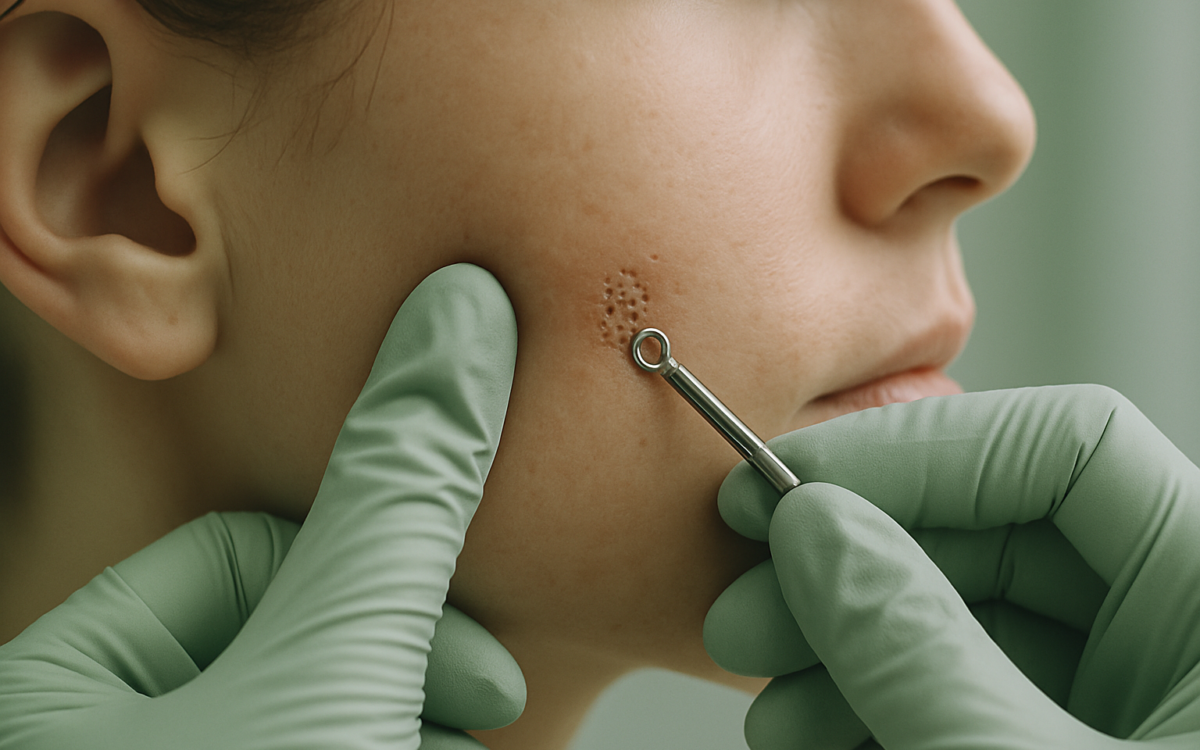
Have you ever noticed small, hard bumps on your skin that seem to resist all your efforts to smooth them out? This common issue, known as keratin plugging, can be a source of frustration for many. It usually appears in areas like the arms, thighs, and cheeks, and although it’s harmless, understanding its causes and proper care can make a significant difference in how your skin feels and looks.
What is keratin plugging?
Keratin plugging happens when keratin, a protein that protects our skin and hair, builds up and forms small, firm bumps. These bumps are often described as “chicken skin” due to their texture. The condition is medically known as keratosis pilaris and occurs when hair follicles get clogged with excess keratin.
Common causes of keratin plugging
While the exact reason for keratin plugging isn’t fully understood, several factors can contribute to its development:
- Genetics: Keratosis pilaris often runs in families, indicating a genetic component.
- Dry skin: People with dry skin are more likely to develop this condition, especially in winter months when skin tends to lose moisture.
- Hormonal changes: Hormones can affect skin health, and changes during puberty or pregnancy may increase keratin production.
- Skin conditions: Certain conditions, like eczema and ichthyosis, may predispose individuals to keratin plugging.
Symptoms associated with keratin plugging
The most noticeable symptom of keratin plugging is the presence of small, hard bumps on the skin, typically on the upper arms, thighs, cheeks, or buttocks. These bumps can be skin-colored or slightly red. They may feel rough to the touch, and while they are generally painless, they can sometimes become itchy or irritated, especially if scratched.
How is keratin plugging diagnosed?
Diagnosing keratin plugging is usually straightforward. A healthcare provider can often identify the condition just by looking at the skin. In some cases, they may ask about your medical history or conduct a physical examination to rule out other skin issues. Although it is not usually associated with major health concerns, consulting a doctor or dermatologist can provide reassurance and management tips.
Effective care and treatment options
Since keratin plugging is harmless, treatment isn’t always necessary. However, if the appearance of your skin bothers you, there are several ways to manage the condition:
- Moisturizers: Regular application of moisturizers can help soften the skin and reduce the buildup of keratin. Look for creams that contain urea or lactic acid.
- Exfoliation: Gently exfoliating the affected area with scrubs or chemical exfoliants (like salicylic acid or alpha hydroxy acids) can help smoothen the skin.
- Topical treatments: Prescription creams containing retinoids may help in some cases, encouraging skin cell turnover and preventing clogged follicles.
Natural remedies to consider
Some people find that natural remedies can also help reduce keratin plugging. While these options may not work for everyone, they are worth trying:
- Coconut oil: This natural moisturizer can help hydrate the skin and reduce roughness when applied regularly.
- Apple cider vinegar: When diluted with water, apple cider vinegar may help to exfoliate the skin due to its acidic nature.
- Oatmeal baths: For itchy or irritated skin, oatmeal baths may provide soothing relief and hydrate the skin.
When to see a doctor
If you notice that keratin plugging is becoming more severe, changing color, or becoming painful, it’s essential to consult a healthcare professional. They can assess your skin and rule out potential underlying conditions or infections.
Conclusion
Keratin plugging is a common skin condition that can be managed with proper care and attention. While it may not pose serious health risks, understanding its causes and exploring treatment options can lead to smoother, healthier skin. Remember that everyone’s skin is unique, so what works for one individual may not work for another. If you’re unsure about your skin concerns, don’t hesitate to consult a dermatologist for personalized advice.
